Category: Medications - Page 2
Anaphylaxis: Recognizing Severe Allergic Reactions and When to Use Epinephrine
Anaphylaxis is a life-threatening allergic reaction that requires immediate epinephrine. Learn the signs, how to use an auto-injector, why other treatments don't work, and what to do after giving the shot.
read morePatient Support Groups: How Sharing Experiences with Generics Improves Health Outcomes

Patient support groups help people share experiences with generic medications, improving adherence and saving costs. Learn how these communities bridge science and real-world concerns, with proven benefits and practical tips for finding reliable groups.
read moreShingles Vaccine: Who Should Get It and When
Shingrix is the only shingles vaccine available in the U.S. and is recommended for everyone 50 and older. Learn who needs it, when to get both doses, how effective it is, and what to expect with side effects and costs.
read moreMedical Alert Bracelets: When and Why They Matter for Drug Safety
Medical alert bracelets save lives by giving emergency responders critical drug safety info when you can't speak. Learn who needs one, what to engrave, and how QR codes are changing the game for medication safety.
read moreMedWatch System Explained: How FDA Tracks Drug and Device Safety
MedWatch is the FDA's system for tracking side effects and safety issues with drugs, devices, and cosmetics. Anyone can report problems, and these reports help the FDA issue warnings, update labels, or recall dangerous products.
read moreHow to Use Behavioral Tricks to Build a Medication Habit

Learn practical, science-backed behavioral tricks to turn medication-taking into a daily habit-without relying on willpower. Improve adherence with simple cues, reminders, and routines that actually work.
read moreHow to Document Provider Advice About Medications for Later Reference
Learn how to properly document provider advice about medications to prevent errors, ensure continuity of care, and protect your health. Essential tips for patients and providers on what to record, how to verify accuracy, and why it matters.
read moreDecongestants with Antihistamines: What You Need to Know About Safety Risks
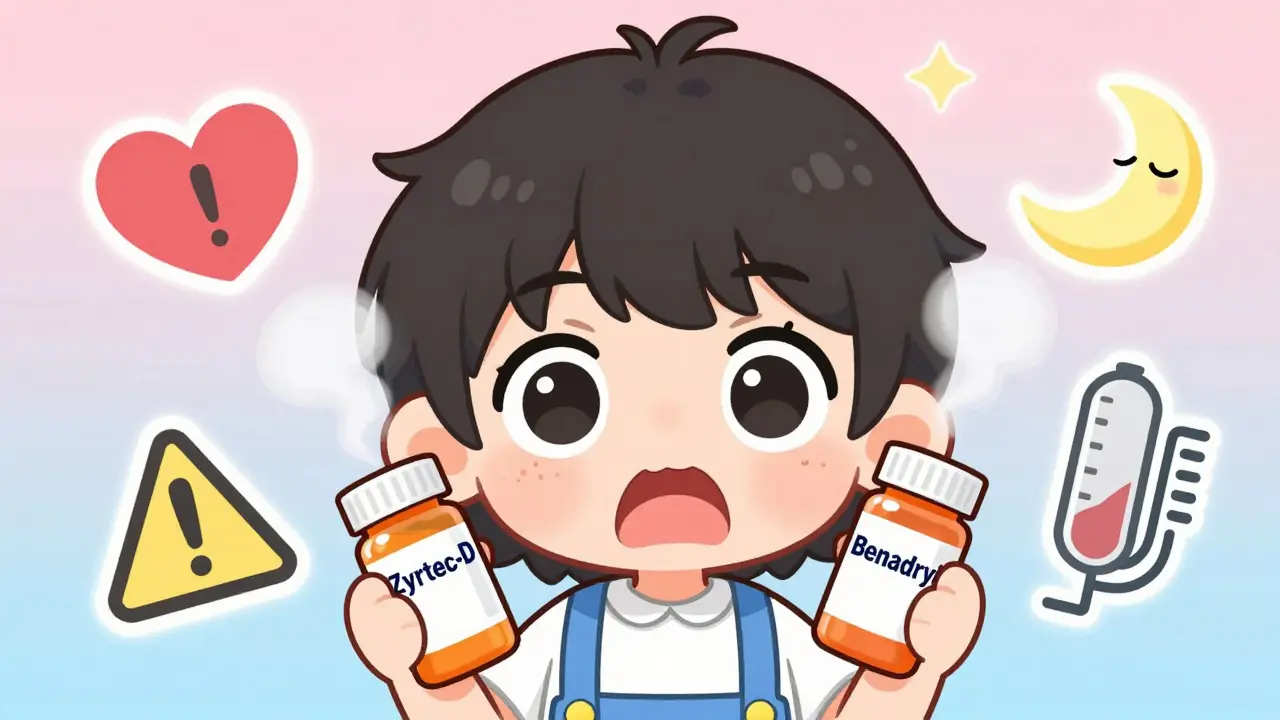
Decongestants with antihistamines are common OTC cold and allergy meds, but they carry hidden risks like high blood pressure, drowsiness, and overdose. Learn who should avoid them and safer alternatives.
read moreMedication Errors vs Drug Side Effects: How to Tell Them Apart and Why It Matters
Learn how to tell the difference between preventable medication errors and unavoidable drug side effects. Knowing this can help you avoid harm and push for safer care.
read moreHow to Report Adverse Drug Events to FDA MedWatch: Step-by-Step Guide for Patients and Providers
Learn how to report adverse drug reactions to the FDA's MedWatch system. Step-by-step guide for patients and providers on using Form 3500B, when to report, and why your report matters for drug safety.
read moreTopical Medication Allergies: How to Spot Contact Dermatitis and Get Effective Treatment
Topical medication allergies cause contact dermatitis in up to 17% of patch-tested patients. Learn the top 5 culprits, how patch testing works, and why stopping the allergen - not just using more cream - is the only way to heal.
read morePenicillin Desensitization: Safe Protocols for Allergic Patients Who Need Beta-Lactams
Penicillin desensitization safely allows allergic patients to receive life-saving penicillin therapy when no alternatives exist. Learn how it works, who qualifies, and why it’s critical for fighting antibiotic resistance.
read more