Medication Ingredient Checker
Check Your Medications
Enter the names of medications you're currently taking to see if they contain dangerous ingredient combinations.
Enter each medication name separated by commas
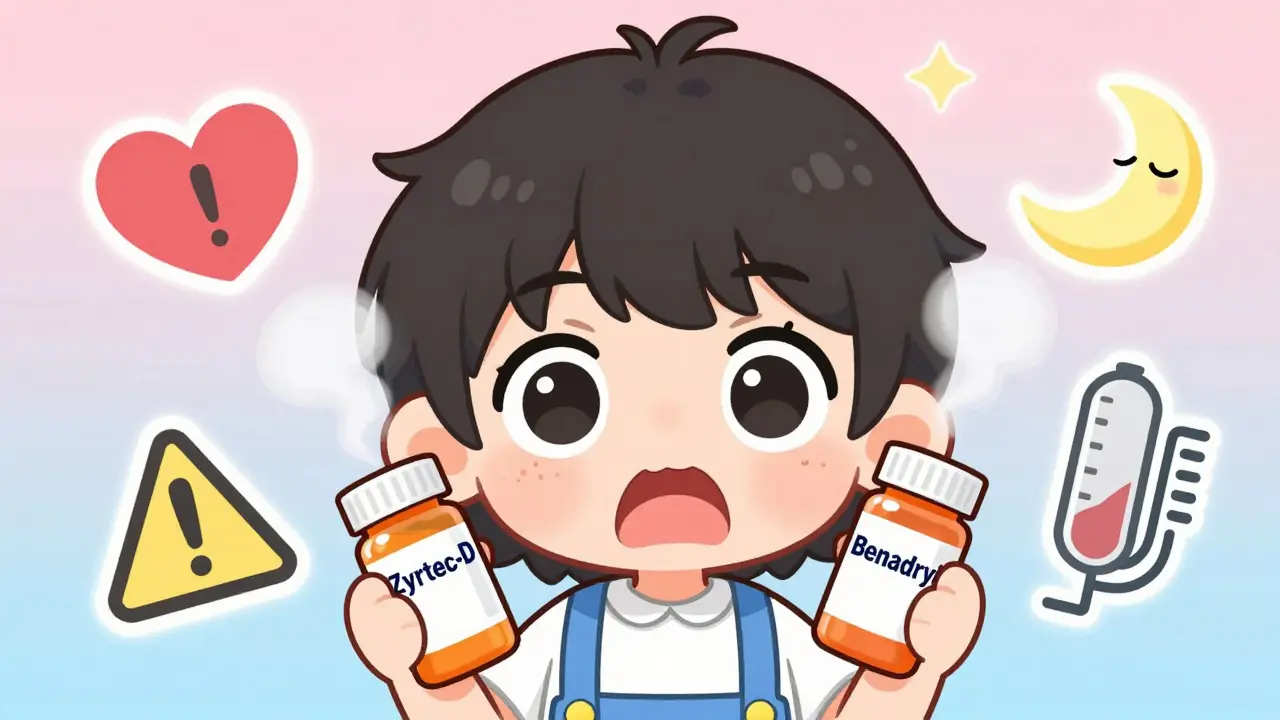
Many people reach for a decongestant with an antihistamine when they feel a cold or allergy coming on. It seems smart-take one pill, kill two birds: stop the runny nose and clear the sinuses. But here’s the truth most labels don’t tell you: decongestants with antihistamines aren’t harmless. They’re powerful drug combinations that can raise your blood pressure, make you dangerously drowsy, or even trigger a heart rhythm problem if you’re not careful.
What’s Actually in These Pills?
You’ve probably seen the names: Zyrtec-D, Claritin-D, Allegra-D. These aren’t magic bullets. They’re two drugs in one tablet. The antihistamine side-like cetirizine, loratadine, or fexofenadine-blocks histamine, the chemical that makes your eyes water and your nose drip. The decongestant side-almost always pseudoephedrine-is meant to shrink swollen blood vessels in your nose so you can breathe again. But here’s the catch: pseudoephedrine doesn’t just shrink blood vessels in your nose. It shrinks them everywhere. That means your heart has to work harder. Your blood pressure goes up. For someone with high blood pressure, heart disease, or even just a bit of anxiety, this isn’t just inconvenient-it’s risky. Studies show these combinations can raise systolic blood pressure by 5 to 10 points in people who already have hypertension. That’s not a small bump. That’s enough to trigger a problem. And the antihistamine? First-generation ones like diphenhydramine (Benadryl) knock out 50% of users. Even the newer ones-cetirizine (Zyrtec), for example-cause noticeable drowsiness in about 1 in 7 people. Combine that with a decongestant that can make you jittery, and you’ve got a recipe for confusion, dizziness, or worse.Why People Get Into Trouble
The biggest danger isn’t the pill itself. It’s what people do around it. Take Zyrtec and Benadryl. One’s long-acting. One’s short. People think, “I took Zyrtec this morning, but I’m still itchy. I’ll grab Benadryl now.” But both are antihistamines. Taking two at once? That’s doubling the dose. The result? Extreme drowsiness, dry mouth, blurred vision, trouble urinating-even confusion in older adults. And it’s not just mixing two antihistamines. Many cold and flu pills already contain antihistamines. People grab a Zyrtec-D for congestion, then reach for a nighttime cold medicine because they can’t sleep. That nighttime medicine? It likely has diphenhydramine. Now you’ve got two antihistamines, one decongestant, and possibly even acetaminophen or ibuprofen. You’re not treating your cold-you’re overdosing. Poison Control gets calls about this every week. Symptoms? Fast heartbeat, agitation, poor coordination, fever. In rare cases, it leads to seizures or cardiac arrest. And most of the time, the person didn’t mean to overdose. They just thought, “It’s over-the-counter. How bad could it be?”Who Should Avoid These Completely?
These combinations aren’t safe for everyone. In fact, they’re dangerous for a lot of people. If you have high blood pressure, heart disease, an irregular heartbeat, diabetes, or an enlarged prostate, you should avoid pseudoephedrine entirely. It can make all of these worse. Harvard Health and the Cleveland Clinic both say: don’t take it if you have any of these conditions. Older adults? Be extra careful. Your body processes drugs slower. You’re more likely to feel dizzy, fall, or get confused. A 2022 review in the American Family Physician journal found that people over 65 are at higher risk of side effects-and the benefits are minimal. Kids under 12? Don’t use them. The American College of Allergy, Asthma, and Immunology says there’s no solid proof they help children, but plenty of proof they can hurt them. That’s why most pediatricians won’t recommend them. And if you’re pregnant or breastfeeding? Talk to your doctor first. Pseudoephedrine can reduce milk supply. Antihistamines can cross the placenta. Neither is risk-free.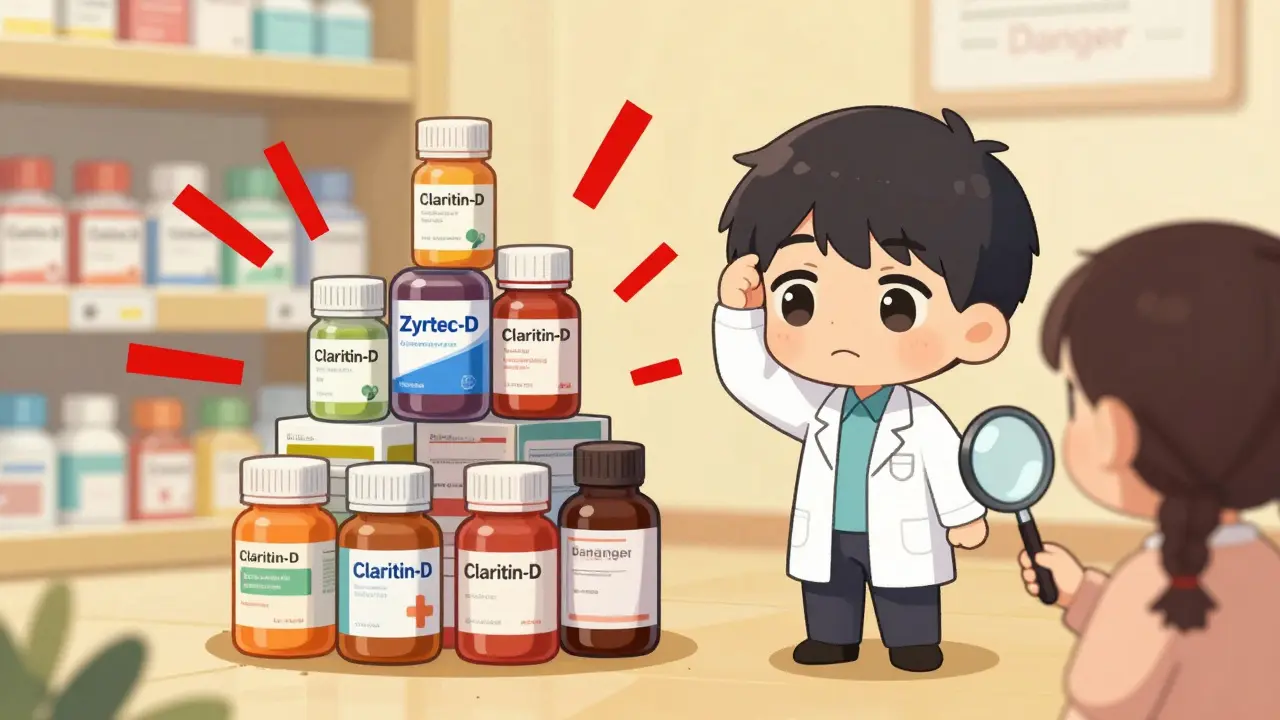
What the Studies Really Say
You hear “it works” all the time. But what do the numbers say? A Cochrane review looked at 13 clinical trials involving over 1,200 adults. The result? These combinations caused side effects in 19% of users. That’s nearly 1 in 5. The control groups (placebo or single-ingredient meds) had side effects in only 13%. That difference might seem small, but it’s real. And when you’re already feeling awful, side effects like dizziness or a racing heart make you feel worse. The same review found that the benefit for symptoms like congestion or runny nose was “probably too small to be clinically relevant.” Translation: you might feel a little better, but not enough to justify the risks. And here’s the kicker: there’s almost no data showing these combinations help with the common cold. They’re marketed for colds, but most cold symptoms aren’t caused by histamine. That means the antihistamine part? Often useless. You’re just taking a drug you don’t need.What to Do Instead
You don’t need a two-in-one pill to feel better. If you’re congested, try a saline nasal spray. It’s safe, cheap, and doesn’t raise your blood pressure. Or use a decongestant nasal spray like oxymetazoline-but only for three days max. Longer than that, and you get rebound congestion. If you’re sneezing and itchy, use a single antihistamine like loratadine or cetirizine. Take it once a day. No decongestant unless you’re sure you need it-and even then, check with your pharmacist. For a stuffy nose, steam helps. A hot shower. A humidifier. Drinking fluids. These are low-risk, proven methods that work for most people. And if you’re not sure? Ask your pharmacist. They’re trained to spot dangerous combinations. Bring your bottle. Show them what you’re taking. They’ll tell you if it’s safe.
Reading the Label Isn’t Enough
The label says “take one tablet daily.” But what if you’re already taking another medicine with the same ingredients? That’s the trap. Check the “Active Ingredients” section on every bottle. If you see “cetirizine,” “loratadine,” “pseudoephedrine,” or “diphenhydramine” on more than one product, don’t take them together. Even if the names are different, the ingredients might be the same. Zyrtec-D = cetirizine + pseudoephedrine Claritin-D = loratadine + pseudoephedrine Benadryl = diphenhydramine If you take Zyrtec-D and then take Benadryl for a bad night, you’re doubling up on antihistamines. That’s not a smart choice. That’s a mistake. And don’t assume “natural” or “herbal” means safe. Some herbal cold remedies contain ephedrine-like compounds. Those can be just as dangerous as pseudoephedrine.When to Call for Help
If you or someone you know takes one of these combinations and then experiences:- A fast, pounding, or irregular heartbeat
- Severe dizziness or fainting
- Difficulty breathing or swelling of the face, lips, or tongue
- Extreme drowsiness, confusion, or hallucinations
- High fever or seizures





Candice Hartley
January 27, 2026 AT 14:46This hit home so hard 😭 I took Zyrtec-D last week and felt like my heart was trying to escape my chest. Never again. Just saline spray and rest now.
astrid cook
January 28, 2026 AT 02:34People really think OTC means "no consequences"? 😒 You’re not a child. Read the damn label. Or don’t. Just don’t blame the pharmacy when your BP spikes.
Kegan Powell
January 28, 2026 AT 19:21It’s wild how we treat medicine like candy when it’s really just chemistry with consequences
That combo isn’t a shortcut-it’s a gamble with your autonomic nervous system
And we don’t even notice until we’re dizzy or racing
Why do we think convenience equals safety?
Maybe because we’ve been sold a story that pain should be erased fast
But the body doesn’t care about your schedule
It just responds
And sometimes it screams before you listen
suhail ahmed
January 30, 2026 AT 03:59In India we call this "dawa ka jadoo"-medicine magic-but it’s really just polypharmacy with a pretty label
My aunty took Claritin-D with her blood pressure pills and ended up in the ER
She thought "it’s just for a cold"
But the body doesn’t care if you’re Indian or American
Pharmacokinetics don’t respect borders
And pseudoephedrine? It’s the silent saboteur
Shrinking vessels everywhere-not just in your nose
Just say no to combo pills unless you’ve got a pharmacist holding your hand
Anjula Jyala
January 31, 2026 AT 07:18Cochrane review says minimal benefit? Obviously. Antihistamines don't treat viral rhinitis. Only allergic. Most colds are rhinovirus. Basic pharmacology. Why are people still buying this? Because marketing is smarter than public health education. And you're too lazy to read the active ingredients. Pathetic.
Kirstin Santiago
January 31, 2026 AT 23:33I used to take these every time I got a sniffle. Then I started feeling like I’d had three espressos at 2am. Turns out I had mild hypertension I didn’t know about. Now I stick to steam, hydration, and single meds. Best decision ever. You don’t need to fix everything with a pill.
Kathy McDaniel
February 2, 2026 AT 15:23omg i just realized i took zyrtec-d and then a night time cold med… that’s why i felt so weird yesterday 😅
April Williams
February 4, 2026 AT 12:51And yet Big Pharma still pushes these combo pills because they make more money. You think they care if you have a heart attack? No. They care if you buy another bottle next week. Wake up. This isn’t medicine-it’s a profit scheme dressed in blue and white packaging.
Harry Henderson
February 4, 2026 AT 22:48STOP BEING SOFT. If you can’t handle a little jitteriness, maybe you shouldn’t be taking medicine at all. I’ve been on pseudoephedrine since I was 16 and I’m still standing. Your body’s weak because you’ve been coddled.
Andrew Clausen
February 5, 2026 AT 12:46The Cochrane review cited in the post analyzed 1,200 adults across 13 randomized controlled trials, yielding a statistically significant difference in adverse events (p<0.05) between combination and monotherapy groups. The clinical relevance of symptom improvement was assessed using minimal clinically important difference (MCID) thresholds, which were not met for nasal congestion or rhinorrhea. Furthermore, pseudoephedrine’s alpha-adrenergic agonist activity induces vasoconstriction systemically, which elevates peripheral resistance and thus systolic blood pressure. This effect is dose-dependent and cumulative. The concomitant use of antihistamines, particularly first-generation agents, potentiates anticholinergic burden, increasing risk of delirium in elderly populations. These are not opinions. These are evidence-based conclusions.
John O'Brien
February 6, 2026 AT 15:20Bro I took a Zyrtec-D and then a NyQuil because I was freezing and couldn’t sleep
Woke up at 3am sweating like I was in a sauna
Heart pounding like a bass drum
Thought I was dying
Turns out I just doubled up on everything
Now I check every bottle like a hawk
And I’m not even sorry
Paul Taylor
February 6, 2026 AT 16:00I’ve been a pharmacist for 22 years and I can tell you this isn’t new news
Every week someone comes in with a bag of 5 different OTC meds and says "I just wanted to feel better"
They’re taking three antihistamines two decongestants and a painkiller all at once
And they’re shocked when they get dizzy or their heart races
It’s not the medicine that’s the problem
It’s the ignorance
And the fact that no one teaches you how to read a label
Or how to ask a simple question
Just pop it and hope
That’s not healthcare
That’s Russian roulette with Benadryl
Desaundrea Morton-Pusey
February 7, 2026 AT 12:03Why are we even talking about this? Americans are dumb. You buy a pill because it’s on TV. You don’t know what’s in it. You don’t care. You just want to feel normal. That’s why your healthcare system is a joke.
Murphy Game
February 9, 2026 AT 04:51Ever wonder why these combo pills are so cheap? Because they’re not meant to cure you. They’re meant to keep you buying. The FDA knows this. The CDC knows this. The pharmaceutical lobbyists know this. They’re designed to create dependency. You take it once, it works. You take it again, you need more. Then you can’t sleep. Then you need another pill. Then you need another. It’s a loop. And they profit from every loop. This isn’t medicine. It’s a trap.
Conor Flannelly
February 10, 2026 AT 20:29Back in Dublin we used to call this "the pharmacy gamble"
Grandma would mix her pills like a cocktail and say "sure it’s just a cold"
But the body doesn’t care if you’re Irish or American
It just reacts
And I’ve seen too many elderly folks end up in A&E because they thought "it’s just OTC"
Truth is, if it can change your heart rate or your brain chemistry
It’s not just a pill
It’s a tool
And tools need respect
Not convenience