Why Your Skin Reaction Might Not Be What You Think
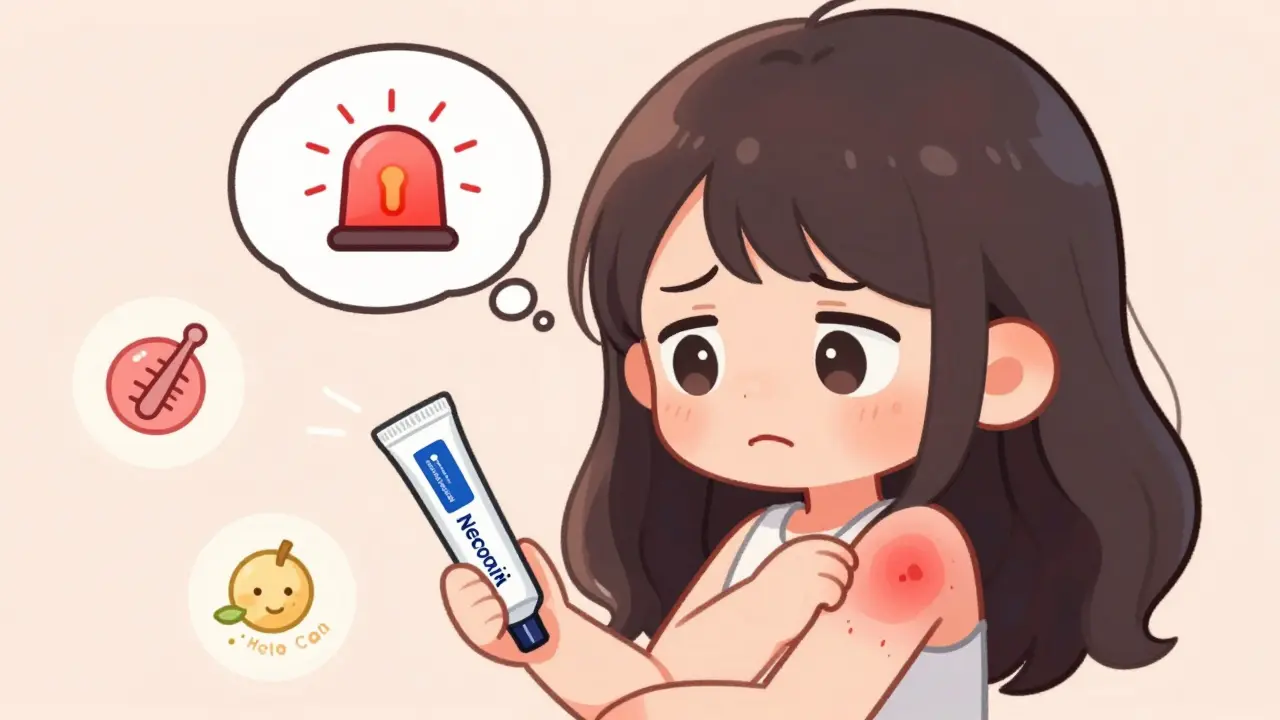
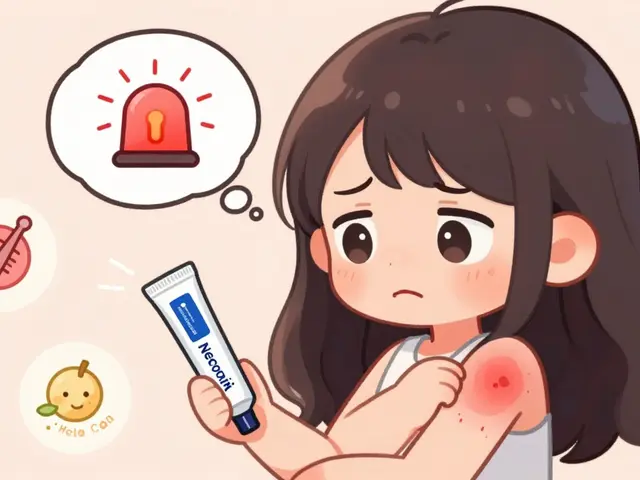
It starts with a red, itchy rash. Maybe it’s where you applied your eczema cream. Or after using that new antibiotic ointment for a cut. You assume it’s just irritation - until it gets worse. That’s when you realize: topical medication allergy might be the real culprit. And it’s more common than you think.
One in six people who get patch tested for stubborn rashes turn out to be allergic to something they applied to their skin. Not just soap or perfume - but actual medications. Corticosteroids. Antibiotics. Even numbing creams. And here’s the twist: the very thing meant to heal your skin is making it worse.
What Exactly Is Contact Dermatitis?
Contact dermatitis isn’t one condition - it’s two. One is simple irritation. The other is a full-blown immune reaction. Both look similar: red, swollen, itchy, sometimes blistered skin. But only one requires stopping the medication completely.
Irritant contact dermatitis happens when something physically damages your skin barrier. Think harsh soaps, solvents, or even too much handwashing. It doesn’t involve your immune system. It’s just damage.
Allergic contact dermatitis? That’s different. Your body has learned to see a specific chemical as an enemy. It takes time - usually multiple exposures - before your immune system reacts. Once it does, even tiny amounts trigger a reaction. This is the kind that shows up weeks after you started using a product. And it’s the one that often gets missed.
Top 5 Medications That Cause Allergic Reactions
Not all topical drugs are created equal when it comes to allergies. Some are far more likely to set off a reaction. Here are the biggest offenders, based on real patch test data from North American and European studies:
- Neomycin - Found in over-the-counter antibiotic creams like Neosporin. Causes positive reactions in nearly 10% of tested patients.
- Bacitracin - Often paired with neomycin. Another top allergen, responsible for 7.5% of positive tests.
- Corticosteroids - Yes, the very drugs used to treat rashes. Hydrocortisone, triamcinolone, clobetasol - all can trigger allergies. About 1 in 50 users develops a reaction.
- Benzocaine - Common in numbing sprays and gels for mouth sores or hemorrhoids. Causes reactions in over 2% of tested patients.
- Ketoprofen - A topical NSAID used for muscle pain. Surprisingly common as an allergen, especially in Europe.
Here’s the scary part: you might be using these without realizing it. Many OTC products combine multiple ingredients. A single tube of “healing ointment” could contain neomycin, bacitracin, and a steroid - three potential triggers rolled into one.
How Doctors Diagnose It (And Why You Need Patch Testing)
Most doctors will look at your rash and guess. That’s why so many people get misdiagnosed. You’re told to use more steroid cream - and your rash spreads. Or you’re told you have eczema - but nothing helps.
True diagnosis? That’s where patch testing comes in. It’s not a skin prick test. It’s not a blood test. It’s a 48-hour slow burn.
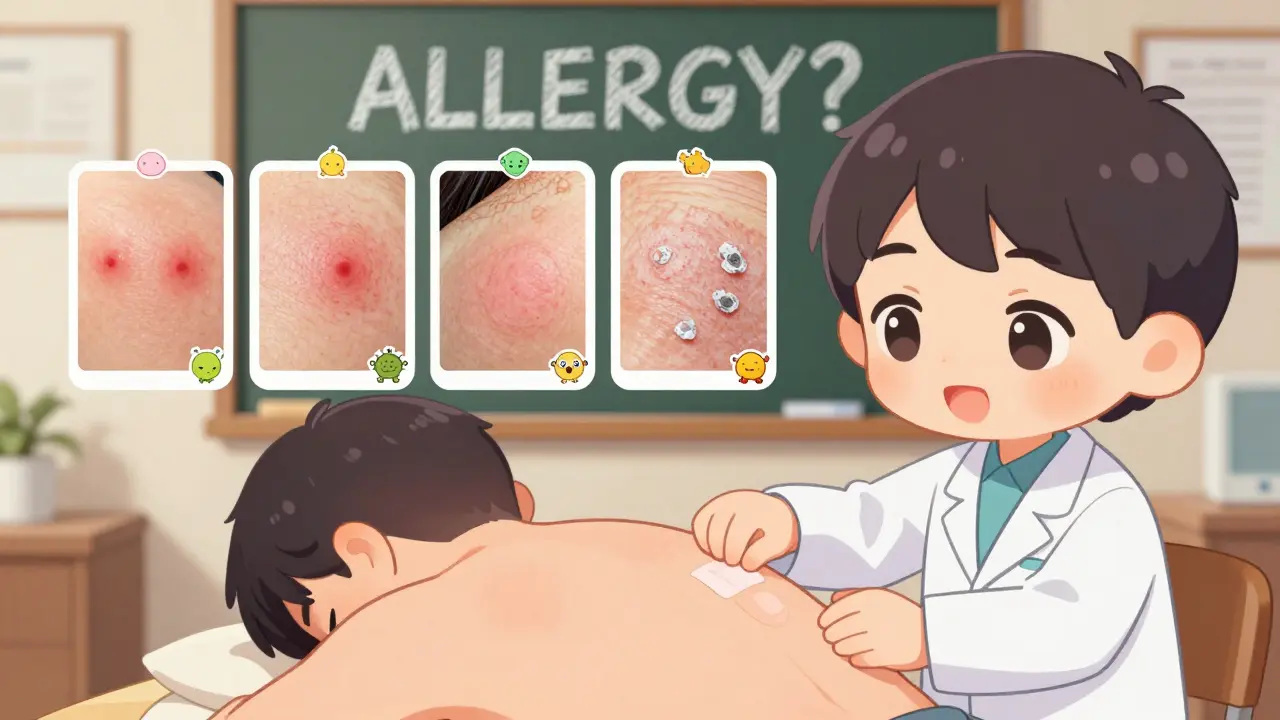
Small patches, each containing a different chemical, are taped to your back. You leave them on for two days. Then they’re removed. You come back two days later. The doctor checks for delayed reactions - red bumps, blisters, flaking - signs your immune system recognized the allergen.
This test catches the right culprit in about 70% of cases. And here’s why it matters: if you don’t know what’s causing your rash, you’ll keep using it. And your skin won’t heal.
Treatment: Stop the Allergen First
Medication won’t fix this if you keep exposing yourself to the trigger. That’s the number one rule. No steroid cream if you’re allergic to it. No antibiotic ointment if neomycin is the problem.
Once you stop the allergen, your skin usually starts improving in 48 to 72 hours. Full healing? That takes 2 to 4 weeks - if you avoid everything that caused it.
For mild cases, over-the-counter hydrocortisone (0.5% to 1%) can help. But if you’re still itching after a week, you need prescription help.
For moderate to severe cases, doctors prescribe stronger topical steroids - like triamcinolone 0.1% or clobetasol 0.05%. But here’s the catch: if you’re allergic to steroids, these won’t work. And if you use them on your face, eyelids, or groin for too long, you risk skin thinning - which happens in up to 35% of long-term users.
That’s where alternatives come in. Pimecrolimus (Elidel) and tacrolimus (Protopic) are non-steroid creams that calm inflammation without thinning skin. They’re not FDA-approved for contact dermatitis - but dermatologists use them off-label all the time. About 60% to 70% of patients see improvement. Side effect? A short-lived burning feeling when you first apply it. Worth it for many.
The Steroid Paradox: When the Treatment Is the Problem
This is the most frustrating part. You have eczema. Your doctor gives you a potent steroid cream. You use it. The rash gets better - for a while. Then it comes back worse. Redder. Itchy. Burning. You think it’s flaring. But it’s not. It’s an allergy.
Studies show that 0.5% to 2.2% of people using topical steroids develop an allergy to them. That’s thousands of patients every year who are stuck in a loop: worse rash → stronger steroid → worse allergy.
And it’s not just the cream. Many patients are allergic to preservatives or fragrances in the base - not the steroid itself. That’s why patch testing is so important. It tells you exactly what to avoid.
What to Do Next: A Simple Action Plan
If you’ve had a persistent rash that won’t go away - especially if it got worse after applying a cream or ointment - here’s what to do:
- Stop all new topical products - including lotions, sunscreens, and OTC creams - for at least a week.
- Write down everything you’ve applied to the skin in the past 3 months. Include brand names and ingredients.
- Bring your products to your dermatologist - 30% of allergens are in products you don’t think of as “medications.”
- Ask for patch testing - don’t settle for a guess. Say: “I suspect a topical medication allergy. Can we test for it?”
- Use the ACDS mobile app - the American Contact Dermatitis Society has a free tool that lets you scan product barcodes and check for common allergens.
Real Stories, Real Results
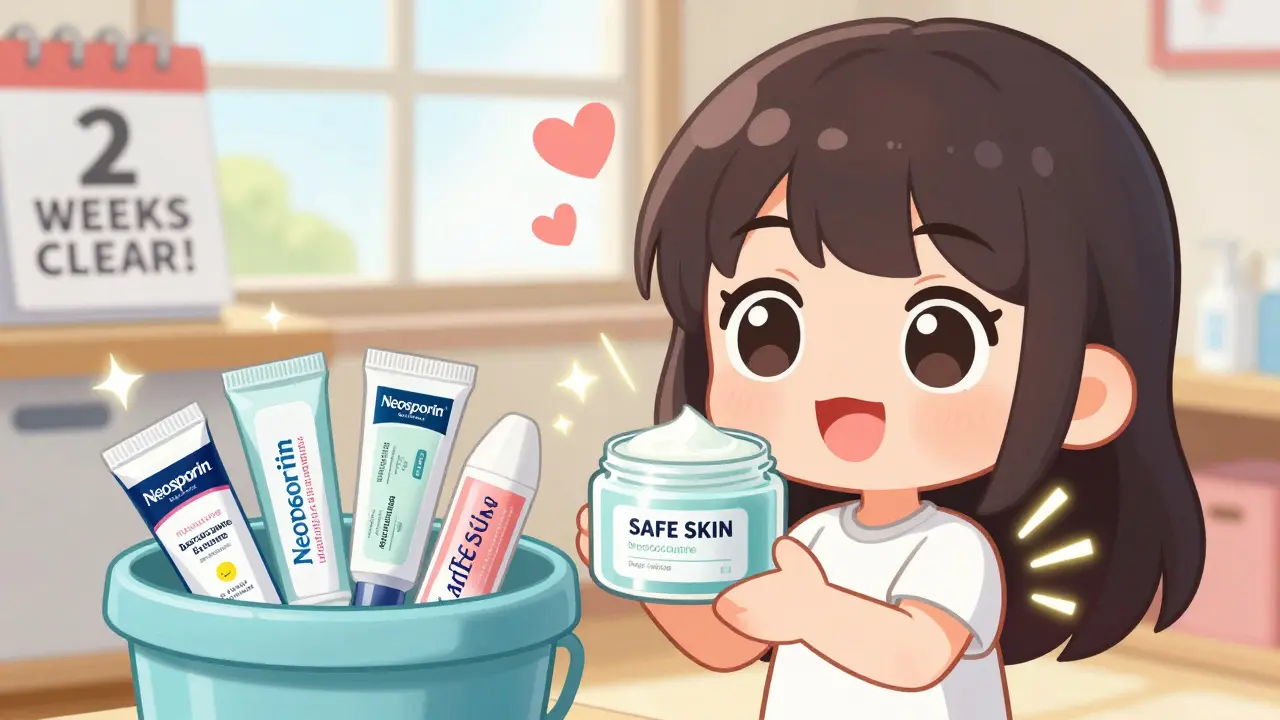
One woman on Reddit spent six months trying every eczema cream under the sun. Her skin was raw. She was depressed. Then she got patch tested. Turns out - she was allergic to the hydrocortisone in her “gentle” cream. Switched to tacrolimus. Within two weeks, her skin cleared. She called it her “second chance.”
Another patient, a nurse, developed hand dermatitis after using antibacterial gel daily. She thought it was dry skin. Patch testing revealed an allergy to chlorhexidine - a common hospital disinfectant. She switched to alcohol-based gel. No more rash.
These aren’t rare cases. A 2023 study found that 15% to 20% of patients with chronic hand dermatitis had undiagnosed topical medication allergies. Most had seen three or more doctors before getting it right.
The Future: Better Testing, Fewer Allergies
Things are changing. In 2023, the FDA required full ingredient lists on all topical prescriptions. That’s helped cut down misdiagnosis by 15%. New diagnostic tools are coming too. Johns Hopkins researchers now use diluted patches to test people with broken skin - reducing false negatives from 32% to just 9%.
And research is moving fast. The NIH just funded $4.7 million to develop a blood test that could predict who’s at risk for topical medication allergies before they ever use the product. Imagine never having to suffer a reaction because you knew it was coming.
Bottom Line: Don’t Guess. Test.
If your skin reaction won’t go away - especially if it got worse after using a cream - don’t assume it’s just irritation. Don’t keep applying more steroids. Don’t blame yourself. You’re not broken. You might just be allergic to what you’re putting on your skin.
Stop the product. Write it down. Ask for patch testing. And give your skin a real chance to heal.


MARILYN ONEILL
January 21, 2026 AT 09:51Coral Bosley
January 23, 2026 AT 08:34Alex Carletti Gouvea
January 24, 2026 AT 22:08Ben McKibbin
January 25, 2026 AT 15:55Stephen Rock
January 25, 2026 AT 23:07Andrew Rinaldi
January 26, 2026 AT 17:46Gerard Jordan
January 28, 2026 AT 07:31Roisin Kelly
January 30, 2026 AT 05:43lokesh prasanth
January 31, 2026 AT 05:07Glenda Marínez Granados
January 31, 2026 AT 18:01