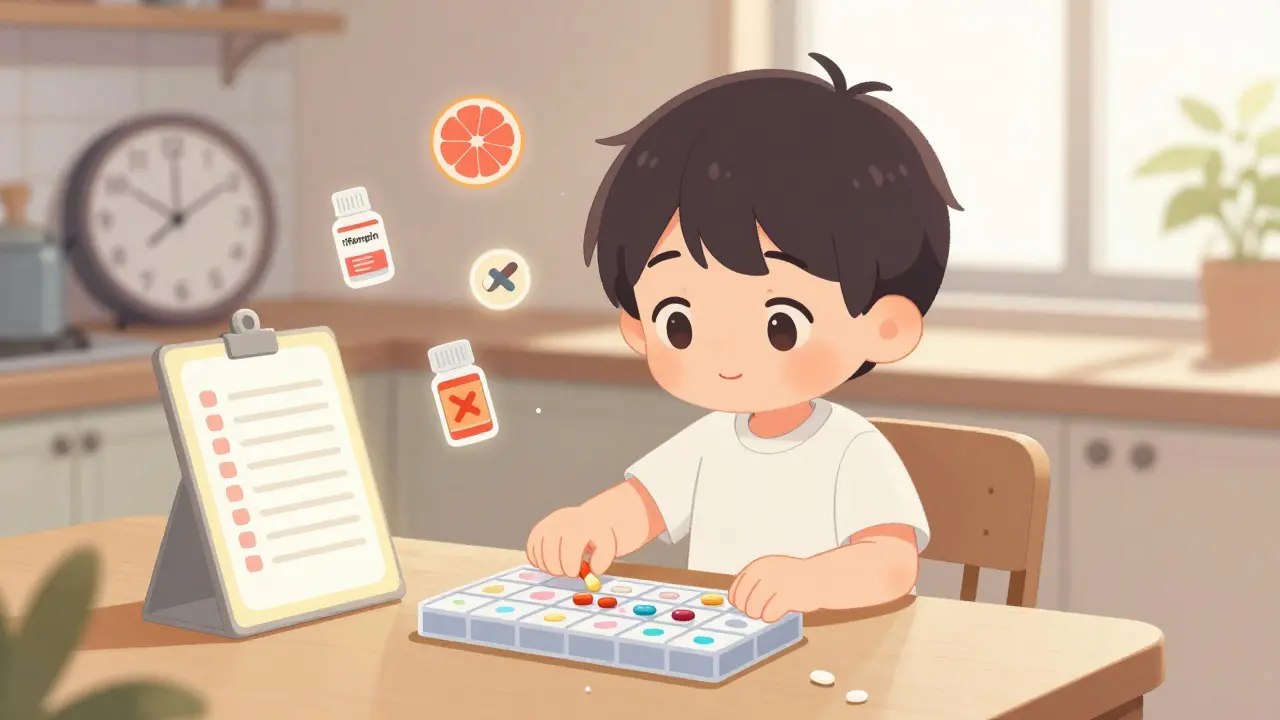
When you're fighting cancer, every detail matters. Oral chemotherapy-pills or liquids you take at home-sounds simple. But it’s not. It’s a powerful tool, and if used wrong, it can fail you. More than half of cancer patients on oral chemo miss doses, mix up schedules, or ignore warning signs. The result? Treatment doesn’t work as well. And sometimes, it becomes dangerous.
Why Oral Chemotherapy Is Different
Oral chemotherapy isn’t just IV chemo in pill form. It’s a different kind of treatment entirely. You’re in charge. No nurse is watching you swallow the pill. No clinic is tracking your dose in real time. That freedom comes with serious responsibility. Between 2010 and 2020, 35% of newly approved cancer drugs were oral. By 2023, over half of new cancer treatments were pills. That’s because they work. They target cancer cells the same way IV chemo does-by stopping cell division, damaging DNA, or blocking signals cancer needs to grow. But they’re also more complex. Take capecitabine, for example. It’s a pill that turns into 5-FU (a classic chemo drug) inside your body. But if you take it with antacids, your body absorbs 30-50% less of it. That means the cancer gets more time to grow. Or consider dasatinib, a targeted therapy. If you take it with grapefruit juice or the antibiotic rifampin, your blood levels drop by 80%. The drug becomes useless. These aren’t hypothetical risks. They’re real, documented, and preventable.How Oral Chemo Works: The Four Main Types
Not all oral chemo drugs are the same. They fall into four main groups, each with different rules and side effects.- Alkylating agents like cyclophosphamide and mechlorethamine attack DNA directly. They’re strong, fast, and hit cells during division. Side effects? Low blood counts (in 65% of patients), nausea, vomiting, and hair loss.
- Antimetabolites like capecitabine and 5-FU trick cancer cells into using fake building blocks. They can’t make new DNA. These cause hand-foot syndrome (red, painful palms and soles in over half of patients), diarrhea, and mouth sores.
- Topoisomerase inhibitors like topotecan block enzymes cancer cells need to untangle DNA. They’re used for ovarian and lung cancers. Side effects include low white blood cells and fatigue.
- Mitotic inhibitors like vinca alkaloids stop cells from splitting. They’re less common as pills, but still used. Nerve damage, constipation, and low blood counts are common.
The Biggest Problem: Adherence
You might think, “I’ll just take my pills like the doctor said.” But life gets in the way. Studies show only 55-75% of patients take at least 90% of their prescribed doses. That’s not just a small slip. It’s like skipping every third treatment. And for cancer, that’s dangerous. Why do people miss doses?- Complex schedules: Capecitabine is taken twice a day for 14 days, then stopped for 7. That’s a 21-day cycle. People forget which day they’re on.
- Diet rules: Nilotinib must be taken on an empty stomach-no food for 2 hours before or after. If you eat a snack, the drug doesn’t absorb.
- Side effects: If you get diarrhea or mouth sores, you might skip a dose to “rest.” But that’s not safe.
- Cost and access: Some pills cost hundreds per dose. If you can’t refill, you stop.
- Start with a 45-minute education session-no rushed handouts.
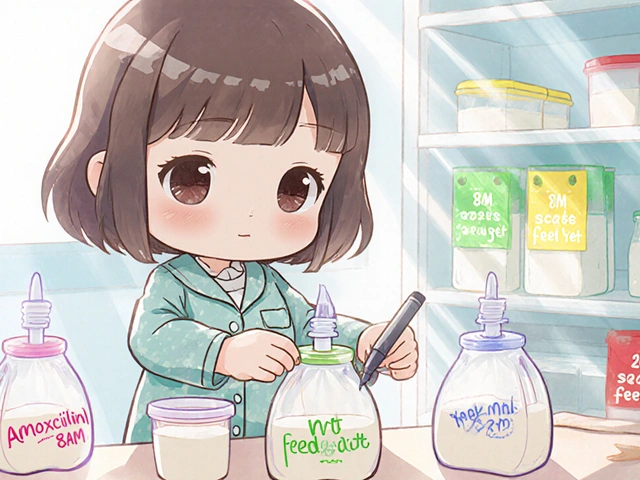
- Give you a written schedule with pictures, not just words.
- Provide a pill organizer with labeled compartments for each day and time.
- Call you on day 3, day 7, and day 14 of your cycle to check in.
- Track your refills through your pharmacy-missing refills trigger a call.
- Have a 24/7 hotline for side effects. No waiting for an appointment.
Safety: What You Must Avoid
Oral chemo isn’t like a vitamin. A wrong interaction can kill you. The biggest danger? Drug interactions. Your liver uses enzymes-mainly CYP3A4-to break down chemo drugs. Anything that affects that enzyme changes how much drug stays in your blood.- Inducers like rifampin (an antibiotic), St. John’s wort, or even some seizure meds can make your chemo work less. Dasatinib levels drop 80% with rifampin.
- Inhibitors like ketoconazole (a fungal med), grapefruit juice, or even some heart meds can make your chemo too strong. Lapatinib levels can spike 325%-leading to dangerous toxicity.
- Antacids and PPIs (like omeprazole) reduce absorption of capecitabine and other drugs. You must wait 2 hours before and after taking them.
Side Effects You Can’t Ignore
Side effects are expected. But they’re not something to “tough out.”- Myelosuppression (low blood counts) is common with nearly all oral chemo. It can lead to infections, fatigue, or bleeding. If your white blood cell count drops too low, your next dose may be delayed. That’s normal-but you need to know the signs: fever, chills, sore throat.
- Hand-foot syndrome (from capecitabine) starts as tingling, then redness, then peeling skin on palms and soles. If you ignore it, it can become painful, cracked, and prevent walking. Moisturize daily. Avoid hot water. Tell your team early.
- Mucositis (mouth sores) can make eating and speaking impossible. Use a soft brush, saltwater rinses, and avoid spicy or acidic foods. Don’t wait until it’s unbearable to ask for help.
- Hepatotoxicity (liver damage) happens in 15-25% of patients. You won’t feel it. That’s why monthly blood tests are required. If liver enzymes rise, your dose may be lowered or stopped.
- High blood pressure is common with VEGF inhibitors like sunitinib. Check your BP at home. If it’s over 140/90, call your team.
What Works Now-and What’s Coming
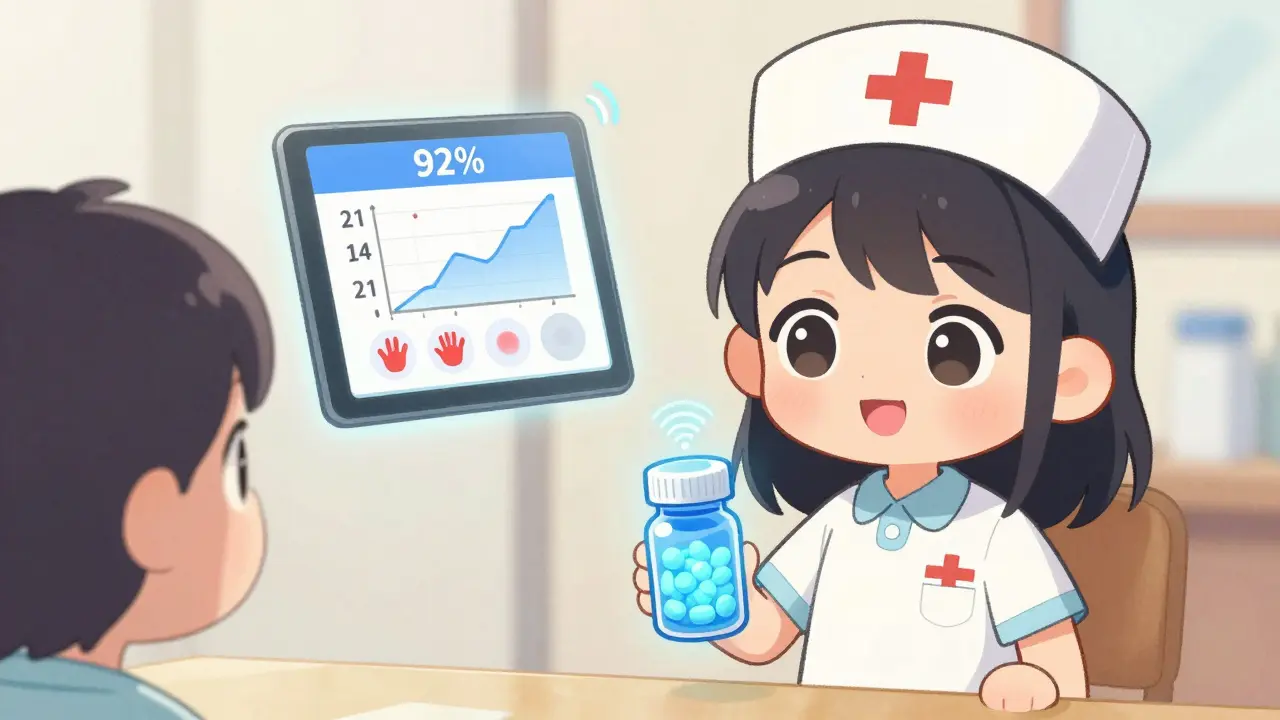
The field is changing fast. Fixed-dose combinations like VerzenioPlus (abemaciclib + fulvestrant) mean fewer pills. That helps adherence. Ingestible sensors, like the Proteus Discover system, track when you swallow your pill. The data goes to your care team. It’s approved by the FDA and used in trials with 92% accuracy. Genetic testing is now standard. Before taking fluoropyrimidines like capecitabine, you get tested for DPYD gene mutations. If you have them, your dose is adjusted-and your risk of severe toxicity drops by 72%. Smart pill bottles with Bluetooth are in late-stage trials. They beep if you miss a dose, send alerts to your nurse, and even remind you to drink water or avoid food. The National Comprehensive Cancer Network now requires all accredited cancer centers to have a formal oral chemotherapy program. No more ad-hoc advice. No more guesswork.What You Need to Do Today
If you’re on oral chemo, here’s your checklist:- Ask for a written schedule with pictures.
- Get a pill organizer labeled with days and times.
- Know your drug’s food and drug interaction rules. Write them down.
- Keep your meds at room temperature. Store them away from moisture.
- Use an FDA-approved disposal bag. Never flush pills.
- Call your nurse or pharmacist at the first sign of side effects-even if it’s “just” a headache.
- Track your refills. If you’re running low, call your pharmacy before you’re out.
- Ask if you’re eligible for genetic testing or adherence tech.
Can I skip a dose of oral chemotherapy if I feel sick?
No. Skipping doses reduces the treatment’s effectiveness and can allow cancer cells to become resistant. If you feel too sick to take your pill, call your care team immediately. They may adjust your dose, prescribe anti-nausea meds, or delay your next cycle-but they won’t want you to skip on your own.
Do I need to avoid certain foods with oral chemo?
Yes. Grapefruit, Seville oranges, and pomelos can interfere with how your body breaks down many oral chemo drugs, making them too strong. Avoid them entirely. Some drugs, like nilotinib, require you to take them on an empty stomach-no food for 2 hours before and after. Always check your specific drug’s guidelines.
How do I know if my oral chemo is working?
You won’t feel it directly. Effectiveness is measured through blood tests, imaging scans (CT, PET), and tumor marker levels-not how you feel. Side effects don’t mean it’s working, and no side effects don’t mean it’s not. Stick to your scheduled follow-ups. Your care team tracks the science, not your symptoms.
Is it safe to take over-the-counter meds with oral chemo?
Not without checking. Even common drugs like ibuprofen, aspirin, or antacids can interfere. Some reduce absorption; others increase toxicity. Always tell your oncology pharmacist or nurse before taking anything new-even herbal supplements or vitamins. They have a database of interactions specific to your chemo drugs.
What should I do if I miss a dose?
Don’t double up. If you miss a dose by less than 12 hours, take it as soon as you remember. If it’s more than 12 hours late, skip it and take your next dose at the regular time. Never make up for a missed dose. Call your care team to report it-they’ll adjust your plan if needed.
Are there tools to help me remember to take my pills?
Yes. Many cancer centers provide pill organizers with alarms, smartphone apps linked to your care team, or smart pill bottles that sync with Bluetooth. Some use ingestible sensors that confirm you swallowed the pill. Ask your oncology pharmacist what tools are available to you. Technology can cut non-adherence in half.

Jacob Cathro
January 19, 2026 AT 18:12so like... i took my chemo pills with a grapefruit smoothie bc i thought it was 'healthy' 😅 now my liver is yelling at me. thanks, internet. also why is everything so complicated? i just wanna nap.
Paul Barnes
January 20, 2026 AT 07:41There is a statistically significant correlation between non-adherence to oral chemotherapy regimens and reduced overall survival rates, as demonstrated in multiple peer-reviewed studies from the Journal of Clinical Oncology (2021-2023). The cited 24-point adherence gap is not anecdotal-it is clinically validated.
Art Gar
January 21, 2026 AT 14:15One must question the underlying assumption that patient autonomy in medication management is a net positive. The medical profession has historically entrusted critical therapeutic decisions to trained professionals for a reason. The shift toward oral chemotherapy, while economically convenient, represents a dangerous abdication of clinical responsibility.
Edith Brederode
January 21, 2026 AT 19:35THIS. I’m on capecitabine and my nurse gave me a color-coded pill box with pictures of the days 🙏 I didn’t know this stuff existed until they handed it to me. Also, I use the 24/7 hotline and they called me back in 10 mins when I had a rash. 💙 You’re not alone.
Arlene Mathison
January 22, 2026 AT 22:13Listen. I was scared to death when I started this. But I made a playlist of my favorite songs and played it every time I took my meds-now it’s my ritual. I also put sticky notes on my mirror: 'This is your power move.' I missed one dose last month. I cried. Then I called my oncology nurse. She didn’t judge. She helped me reset. You got this. 💪
Emily Leigh
January 23, 2026 AT 14:19...so let me get this straight: you’re telling me that if I eat a banana after my pill, I’m basically letting the cancer win? And grapefruit? That’s the devil’s juice? 😭 And now I need a $200 smart bottle? Who’s profiting from this? The pharma giants? The pill-box startups? The hospital system? I’m just trying to live.
Carolyn Rose Meszaros
January 24, 2026 AT 12:24My mom’s on dasatinib and she swears by the pill organizer + phone alarms. Also, she avoids grapefruit like it’s cursed. 🙃 We even got her a little fridge magnet with the drug interactions printed on it. Small things help. And yes, the 24/7 line saved her when she had a fever at 3am. 🤍
Courtney Carra
January 24, 2026 AT 23:17Is freedom really freedom if it comes with a 20-page instruction manual and the threat of death if you misread a comma? We’ve turned healing into a high-stakes compliance test. The real tragedy isn’t the missed doses-it’s the system that expects a grieving, fatigued, financially strained human to be a pharmacologist overnight.
thomas wall
January 25, 2026 AT 02:19It is lamentable that patient education has been reduced to the level of a pamphlet and a smartphone app. The dignity of medical care demands structured, in-person, longitudinal guidance-not digital band-aids. The 82% adherence rate cited is not a triumph of patient empowerment; it is a damning indictment of systemic neglect.
Manoj Kumar Billigunta
January 26, 2026 AT 09:25I’m from India and my cousin is on oral chemo. We don’t have smart bottles or 24/7 lines. But we made a simple chart on the wall with colored pens. Every time she takes her pill, she puts a sticker on it. Her grandson helps her. She says it feels like winning a little game every day. Sometimes, the simplest things keep you alive.