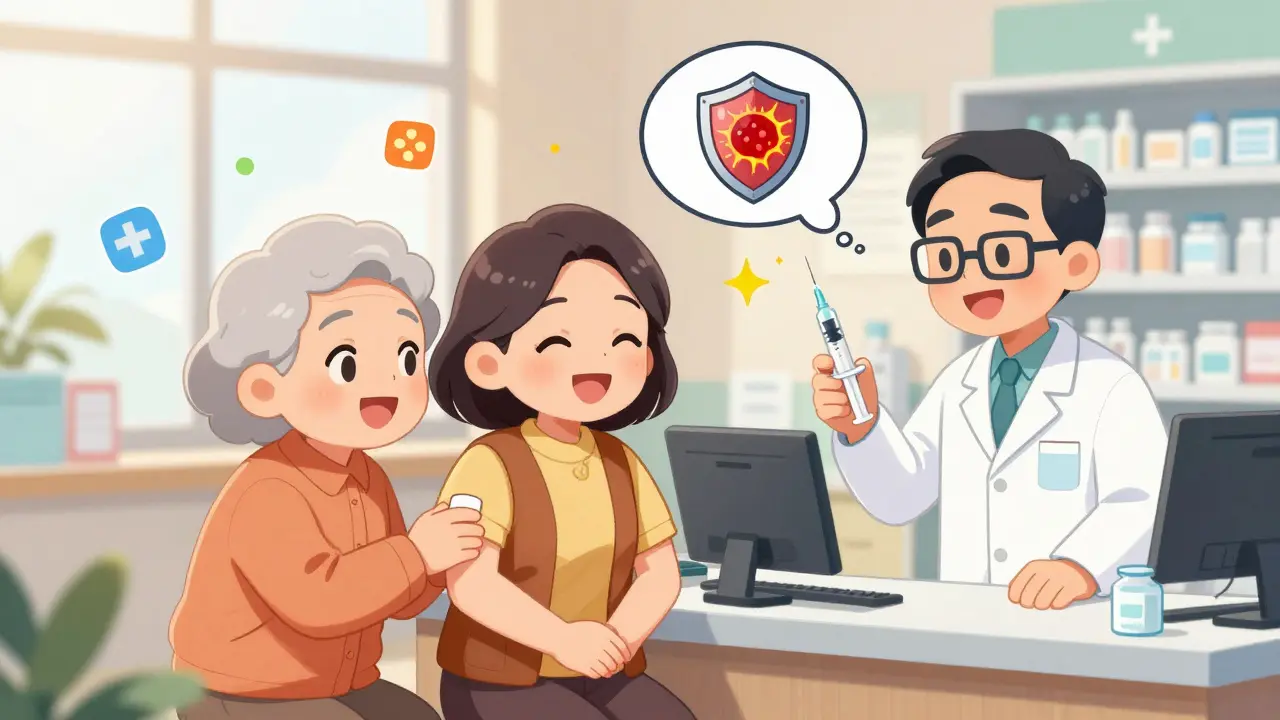
Shingles isn’t just a rash. For many people, it’s months of burning pain that won’t go away-even after the blisters heal. That’s the reality of postherpetic neuralgia, the most common complication of shingles. And the good news? There’s a vaccine that works better than anything we’ve had before. It’s called Shingrix, and it’s the only shingles vaccine available in the U.S. today. But who really needs it? And when should you get it? Let’s cut through the noise and give you straight answers based on the latest data from the CDC, clinical trials, and real-world use.
Who Should Get the Shingles Vaccine?
If you’re 50 or older, you should get Shingrix. That’s it. No exceptions. The CDC recommends it for everyone in this age group, regardless of whether you’ve had shingles before or think you’re healthy. Why? Because the virus that causes shingles-varicella zoster-is already in your body. It’s the same one that gave you chickenpox as a kid. It never left. It just hid in your nerves. And as you age, your immune system gets weaker. That’s when it wakes up.
One in three adults will get shingles in their lifetime. By age 85, that risk jumps to one in four. And it’s not just about the rash. About 1 in 5 people who get shingles develop postherpetic neuralgia-nerve pain that can last for months or even years. Some people say it feels like electric shocks, or like their skin is on fire. It’s not something you want to wait for.
And here’s the big change from a few years ago: Shingrix is safe for people with weakened immune systems. That includes people with diabetes, cancer, HIV, or those taking medications like steroids or biologics. The old vaccine, Zostavax, was a live virus and couldn’t be given to these folks. Shingrix? It’s not live. It’s made from a piece of the virus and a powerful immune booster. That means it’s safe and effective-even if you’re immunocompromised.
That’s why the CDC now recommends Shingrix for adults 19 and older who are immunocompromised. If you’re on chemotherapy, had an organ transplant, or have autoimmune disease, talk to your doctor. You’re not too young. You’re exactly who needs this vaccine.
When Should You Get It?
Shingrix isn’t a one-shot deal. It’s two doses. The first shot gets your immune system ready. The second shot makes sure it remembers-and remembers well. The standard schedule is two doses, 2 to 6 months apart. That’s the sweet spot for long-lasting protection.
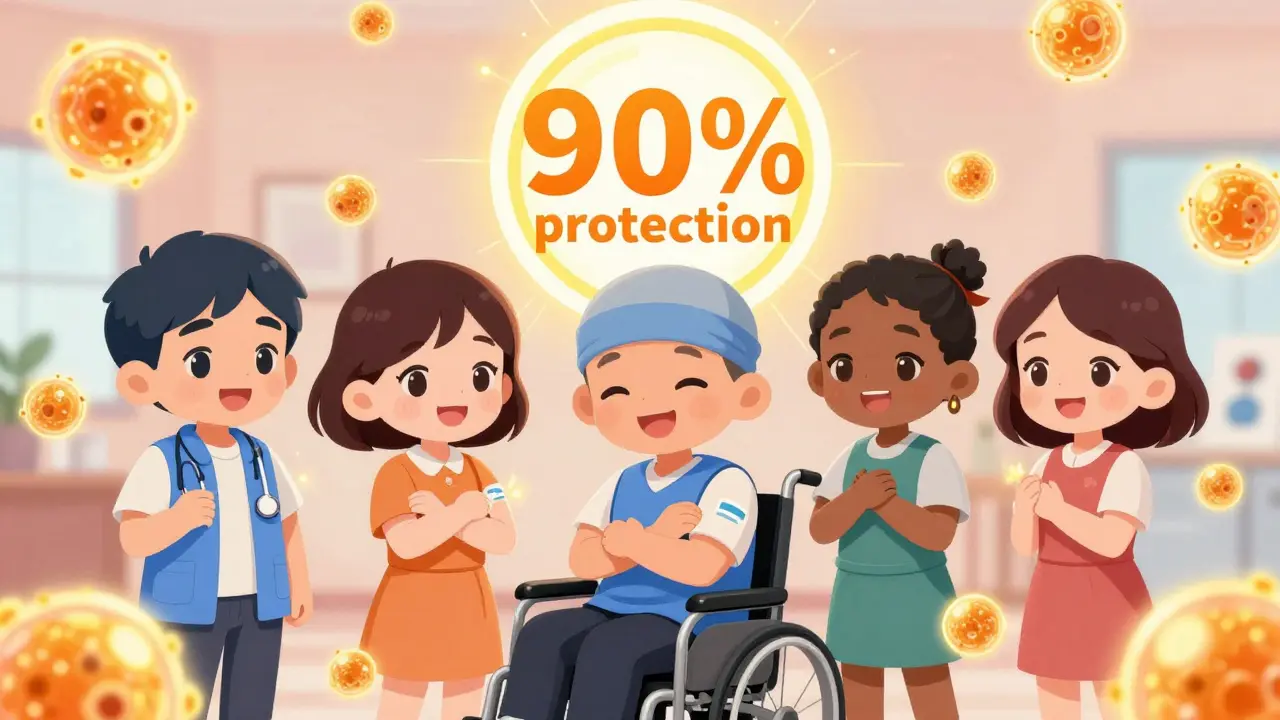
But here’s the catch: about one in three people don’t come back for the second shot. That’s a problem. If you only get one dose, your protection drops significantly. You might be okay for a year or two, but you won’t have the strong, long-term shield you need. Studies show people who get both doses are 90% protected for at least seven years. Those who skip the second dose? Their protection fades much faster.
There’s one exception to the 2-6 month window. If you’re immunocompromised and you’re about to start a treatment that weakens your immune system-like chemotherapy or a transplant-you can get the second dose as early as 1 month after the first. The CDC updated this guidance in late 2024. It’s a small window, but it matters. If you’re facing a major medical change, don’t wait. Talk to your doctor about timing.
What if you got the old vaccine, Zostavax? You still need Shingrix. Even if you got Zostavax five years ago, you’re not fully protected. Shingrix is far more effective. The CDC says to wait at least 8 weeks after Zostavax before getting Shingrix. That’s it. No need to wait years. Just get the new one.
How Effective Is It?
Shingrix is one of the most effective vaccines we have. In people aged 50 to 69, it prevents shingles in 97 out of 100 cases. In those 70 and older, it still works in 91 out of 100 cases. That’s not close to the old vaccine. Zostavax only worked about half the time. And for postherpetic neuralgia? Shingrix cuts the risk by over 90%. That’s the real win.
It’s not just numbers. Real people report results. John, 67, from Ohio, got his first dose in March 2024. He’d had shingles in his 50s. He said, “I didn’t want to go through that again. After the second shot, I felt fine. No rash, no pain. I finally feel safe.” That’s the kind of outcome we’re talking about.
Even better, the protection lasts. A 2023 CDC study tracked people over seven years. Those who got both doses at age 70 still had over 85% protection against shingles. That’s not something you get with most vaccines. This one sticks.
What Are the Side Effects?
Let’s be honest. Shingrix can make you feel awful-for a day or two. About 8 out of 10 people get pain, redness, or swelling at the injection site. More than 4 in 10 feel muscle aches. Nearly 4 in 10 feel tired. One in 3 get headaches. Some even get a fever or nausea.
That’s a lot. And yes, it’s worse than most vaccines. But here’s the thing: these side effects are short-lived. They usually go away in 2 to 3 days. And they’re a sign your immune system is working. The pain, the fatigue, the achiness-it’s your body learning how to fight the virus before it ever shows up.
Compare that to shingles itself. Shingles can last weeks. The nerve pain can last months. Some people can’t sleep. Some can’t wear clothes. Some can’t work. The vaccine’s side effects are temporary. The disease? Not so much.
People who’ve had shingles before say the vaccine side effects were nothing compared to the real thing. And if you’re immunocompromised? Surprisingly, many report milder reactions than healthy adults. One Reddit user with Crohn’s disease wrote, “I thought I’d be wrecked. I just felt a little tired. Better than getting shingles again.”
How Much Does It Cost?
Shingrix costs about $220 per dose. That’s two doses-so around $440 total. But here’s the good part: Medicare Part D covers it. If you have Medicare, you likely pay nothing out of pocket. Most private insurance plans cover it too. You might have a copay, but it’s usually under $50.
If you don’t have insurance, some pharmacies and clinics offer discounts. The CDC’s Vaccines for Adults program helps low-income adults get vaccines for free. And if you’re on Medicaid, check with your state. Coverage varies, but most states now cover Shingrix.
What you don’t pay for is the cost of shingles. One hospital visit for shingles complications can cost $5,000 or more. A month of nerve pain medication? That’s $300 a month. And that’s if you can even get relief. Shingrix pays for itself-many times over.
Where Can You Get It?
You don’t need a doctor’s appointment. Most pharmacies can give you Shingrix. CVS, Walgreens, Rite Aid, and local clinics all carry it. Pharmacists are trained to administer it. They’ll check your history, answer your questions, and schedule your second dose.
And here’s a pro tip: ask for the second dose to be scheduled right away. Many pharmacies will do that on the spot. If you wait, you’re more likely to forget. One study found that when people scheduled their second dose during their first visit, 89% completed the series. Without that, it drops to under 60%.
Don’t wait for your annual checkup. Walk in. Get it done. Your future self will thank you.
What If You’re Under 50?
If you’re under 50 and healthy, you don’t need Shingrix. The risk of shingles is low. The vaccine isn’t approved for that age group unless you’re immunocompromised. But if you’re 19 to 49 and have a weakened immune system-because of cancer, HIV, organ transplant, or long-term steroid use-you should get it. Talk to your doctor. Don’t assume you’re too young.
And if you’re in your 40s and have diabetes or another chronic condition? You’re at higher risk than you think. The American Association of Clinical Endocrinology recommends vaccination for people with diabetes starting at age 50. But if you’re 45 with type 2 diabetes and your blood sugar isn’t well controlled, your doctor might still recommend it early. Don’t wait for a birthday to be the trigger.
What’s Next for the Vaccine?
Shingrix isn’t the end of the story. GlaxoSmithKline is testing a single-dose version in Phase II trials. If it works, it could be available by 2028. That would make things easier. But until then, stick with the two-dose series. It’s proven. It’s powerful. It’s the best tool we have.
And the push is moving earlier. The American Geriatrics Society now says doctors should start talking about shingles vaccination with patients at age 50-not wait until 65. That’s because shingles doesn’t wait. And neither should you.
Do I need the shingles vaccine if I already had shingles?
Yes. Having shingles once doesn’t protect you from getting it again. About 1 in 25 people get shingles a second time. Shingrix reduces your risk of recurrence by over 90%. Wait at least 8 weeks after your shingles outbreak clears before getting vaccinated.
Can I get the shingles vaccine at the same time as my flu shot or COVID booster?
Yes. Shingrix can be given at the same visit as other vaccines, including flu, pneumonia, or COVID-19 shots. Just use different arms. There’s no evidence it reduces effectiveness or increases side effects when given together.
Is Shingrix safe if I’m pregnant or breastfeeding?
Shingrix is not recommended during pregnancy. While it’s not a live virus, there isn’t enough data to confirm safety for the baby. If you’re breastfeeding, it’s considered safe. Talk to your doctor if you’re planning pregnancy or are pregnant.
What if I miss my second dose by more than 6 months?
You don’t need to start over. Even if it’s been a year or more, get the second dose as soon as you can. The protection from the first dose doesn’t disappear. You’ll still get full, long-term protection once you complete the series.
Does the shingles vaccine prevent chickenpox?
No. Shingrix only prevents shingles and its complications. It does not prevent chickenpox. If you’ve never had chickenpox or the chickenpox vaccine, you need the varicella vaccine, not Shingrix. Shingrix is only for adults who’ve already been exposed to the virus.
What to Do Next
If you’re 50 or older, call your pharmacy today. Ask if they have Shingrix in stock. Schedule your first dose. Then ask them to book your second dose right then and there. Set a reminder on your phone for 2 months from now-just in case.
If you’re under 50 but have a chronic condition or take immune-suppressing drugs, talk to your doctor. Don’t assume you’re not at risk. Shingles doesn’t care about your age. It only cares if your immune system is down.
This isn’t about being scared. It’s about being smart. You’ve survived 50 years. Don’t let a preventable virus steal your next few months-or years-of comfort. Get vaccinated. Get both doses. Protect yourself. It’s the easiest, most effective thing you can do right now.


Coy Huffman
February 5, 2026 AT 07:49Man, I got Shingrix last year and honestly? My arm felt like it got into a fight with a truck for two days 😅 But knowing I won’t have to go through shingles pain again? Totally worth it. My uncle had it last winter and he’s still on nerve meds. Don’t be that guy who says ‘I’ll do it later’ - later might be too late.
Amit Jain
February 6, 2026 AT 08:05Very simple: if you are 50+, get both shots. No excuses. Shingles pain is worse than toothache. I saw my neighbor suffer for 8 months. Vaccine is cheap. Pain is expensive.
Kunal Kaushik
February 8, 2026 AT 06:55Just got my second dose yesterday 🙌 Honestly thought I’d be out cold but I just felt kinda tired and had a weird headache. Felt way better than the time I had shingles in 2020. That was hell. My skin felt like it was full of needles. This? Just a minor inconvenience. Do it. Your future self will hug you.
Mandy Vodak-Marotta
February 8, 2026 AT 14:07Okay I’m 47 and have type 2 diabetes and honestly I was debating whether to wait until 50 but then I read that even if your blood sugar isn’t controlled, your risk goes up and I was like… wait, I’m basically a walking target right now? So I called my pharmacist and they had it in stock and I got the first shot TODAY. I didn’t even think about it twice. I’ve been managing this for years and I’m not about to let some dormant chickenpox virus ruin my life. My mom had shingles and it took her 14 months to stop crying from the pain. I’m not doing that. Also, side effects? Yeah, I felt like I got hit by a bus for 36 hours but I was like ‘cool, that’s just your immune system doing its job.’ Meanwhile, shingles? That’s your immune system screaming for help and your body just giving up. No thanks.
Nathan King
February 9, 2026 AT 02:51The empirical evidence supporting Shingrix is robust, particularly in the 50+ cohort, where efficacy exceeds 90% over a seven-year observation window. It is noteworthy that the non-live, adjuvanted formulation circumvents the contraindications associated with the prior live-virus vaccine. The logistical imperative of completing the two-dose regimen cannot be overstated, as suboptimal adherence significantly diminishes long-term protection. Furthermore, the cost-benefit analysis is unequivocal: the marginal expenditure on vaccination is dwarfed by the societal and individual burden of postherpetic neuralgia. A rational, evidence-based approach demands universal adoption among eligible populations.
rahulkumar maurya
February 10, 2026 AT 02:34Most people don’t even know what shingles is. They think it’s just a rash. I’ve seen people in their 30s with autoimmune disorders who still think they’re ‘too young.’ Wake up. The virus doesn’t care about your age. It cares about your immune system. If you’re on biologics or have diabetes? You’re already at risk. And don’t get me started on people who skip the second shot. You’re not ‘immune,’ you’re just delusional. Shingrix isn’t optional if you’re over 50 - it’s mandatory. And if you’re under 50 with a compromised system? You’re being reckless if you don’t get it. Stop waiting for a doctor to tell you. You’re an adult. Read the CDC. Do the right thing.
Alec Stewart Stewart
February 11, 2026 AT 17:21Just wanted to say - if you’re scared of the side effects, I get it. I was too. But I had shingles at 48 and it was the worst 3 months of my life. I couldn’t sleep. Couldn’t wear a shirt. My skin felt like it was on fire. The vaccine? I got a sore arm and a headache for two days. Totally worth it. And if you’re immunocompromised? You’re even more at risk. Don’t wait. Talk to your pharmacist. They’ll help you. I did. And now I sleep fine. No more nightmares about burning skin. Seriously. Just do it. You’ve got this.
Demetria Morris
February 11, 2026 AT 21:56I can’t believe people still need to be told this. Shingles isn’t ‘just an old person thing.’ It’s a preventable disaster. And if you’re skipping the second shot? You’re not just being lazy - you’re putting yourself at risk for years of suffering. I’ve seen it. I’ve held someone’s hand while they cried because their skin couldn’t handle a breeze. You think the vaccine is bad? Try living with it. You don’t get to be casual about your health. This isn’t a suggestion. It’s a lifeline.