Author: Barbara Lalicki
Refill-By Dates vs. Expiration Dates on Prescription Labels: Essential Guide to Medication Safety

Confused by your prescription label? Learn the key differences between Refill-By Dates and Expiration Dates to ensure medication safety and avoid costly mistakes.
read moreUrticaria: Understanding Hives, Triggers, and Antihistamine Treatment Options

Discover what causes urticaria and how antihistamines help. Learn about triggers, treatment options, and managing chronic symptoms effectively.
read moreMedications to Avoid in Pregnancy: Teratogenic Risks and Safe Alternatives

Learn which medications to avoid during pregnancy due to teratogenic risks and discover safe, evidence-based alternatives for common conditions like pain, allergies, and high blood pressure.
read moreMedication Guide Distribution Requirements for Pharmacists and Providers
Medication Guides are FDA-mandated patient handouts for high-risk drugs. Pharmacists must distribute them in specific situations - here's exactly when, where, and how to comply.
read moreTeaching Children About Generic Drugs: A Simple Guide for Parents and Educators

Teach children how generic drugs work-same medicine, different price. Simple lessons on safety, trust, and labels help kids understand their prescriptions and avoid confusion or fear about medication.
read moreMetformin and Contrast Dye: What You Need to Know About Lactic Acidosis and Kidney Function

Learn the updated guidelines on metformin and contrast dye use. Understand when lactic acidosis risk is real-and when it's overblown. Stop unnecessary medication pauses and protect your kidney health.
read moreAntibiotic-Induced Diarrhea and C. difficile Infection: Prevention and Care

C. diff infection is a serious complication of antibiotic use, causing severe diarrhea and recurring illness. Learn how to prevent it, recognize symptoms, and understand modern treatments like fidaxomicin, FMT, and bezlotoxumab.
read moreRheumatoid Arthritis Monitoring: CDAI, DAS28, and Imaging Explained
Learn how CDAI, DAS28, and imaging tools like ultrasound and MRI help monitor rheumatoid arthritis. Understand which scores matter most, how imaging catches hidden damage, and what to ask your doctor to stay in control.
read moreDrug-Induced Liver Injury: High-Risk Medications and How to Monitor Them

Drug-induced liver injury (DILI) is a hidden threat from common medications and supplements. Learn which drugs pose the highest risk, how to spot early signs, and what monitoring steps can save your liver.
read moreAnticoagulant Reversal Agents: Idarucizumab, Andexanet Alfa, PCC, and Vitamin K Explained

Anticoagulant reversal agents like idarucizumab, andexanet alfa, PCC, and vitamin K are critical for stopping life-threatening bleeding in patients on blood thinners. Each has unique uses, risks, and costs-and knowing when to use which can save lives.
read moreRhabdomyolysis from Medication Interactions: What You Need to Know About Muscle Breakdown Emergencies
Rhabdomyolysis from medication interactions can cause sudden muscle breakdown and kidney failure. Statins combined with antibiotics or other drugs are the most common cause. Learn the warning signs, high-risk combos, and how to protect yourself.
read moreSimvastatin and High-Dose Interactions: Dangerous Combinations
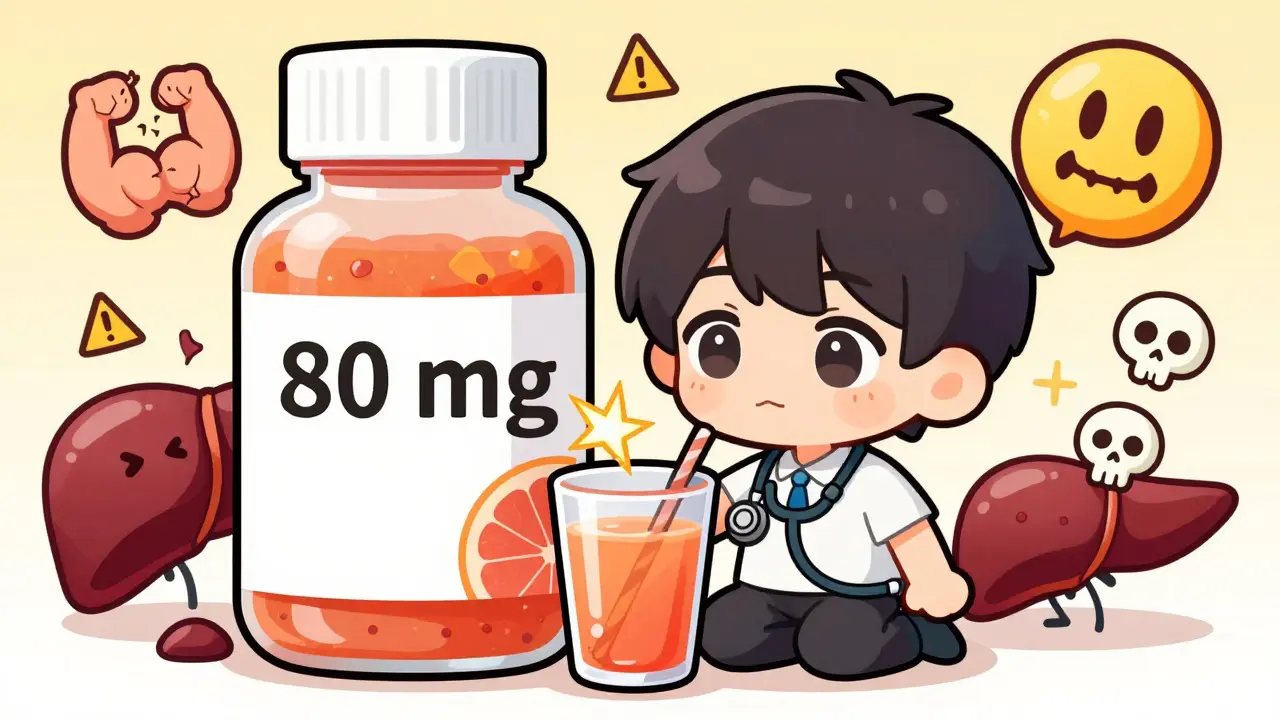
Simvastatin can cause life-threatening muscle damage when mixed with common drugs like antibiotics or grapefruit juice. Learn which combinations are dangerous, how to avoid them, and what to do if you're on high-dose simvastatin.
read moreRecent Post
-

6 Best Alternatives to Inderal in 2025
Mar, 18 2025