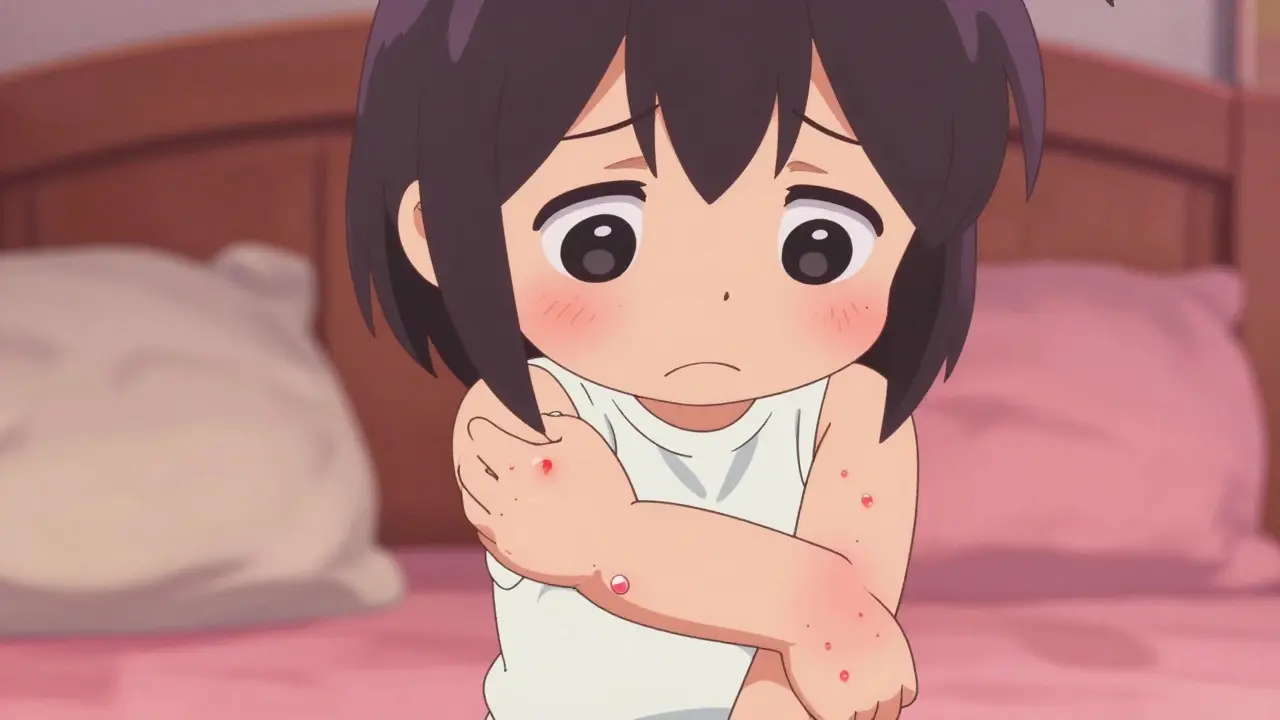
The Mystery Behind the Bumps
Have you ever woken up looking like you walked through a patch of stinging nettles? You scratch your arm, and suddenly, red welts pop up elsewhere. That’s Urticaria, more commonly known as hives. About one in five people will experience this at some point. While often dismissed as just a bad itch, it can signal something deeper happening under the skin.
Many assume hives only mean you ate bad shellfish or touched a bee. But the reality is far more complex. The rash forms because mast cells release histamine into your tissue. This chemical causes blood vessels to open up, fluid to leak, and nerves to tingle. That is why antihistamines work by blocking these reactions.
If you are dealing with recurring bumps or sleepless nights, understanding the difference between acute flare-ups and chronic conditions is key. We’ll break down the medical side without the confusing jargon.
What Exactly Are Hives?
Urticaria is a skin condition characterized by raised, itchy welts called wheals. These welts can be small (like a coin) or huge (like dinner plates). They usually stay in one spot for less than 24 hours before fading, only to reappear somewhere else later. That migrating pattern is a major clue for doctors.
You might hear two main terms thrown around:
- Acute Urticaria: Lasts less than six weeks. Often linked to a specific trigger like food, medicine, or infection.
- Chronic Urticaria: Persists beyond six weeks. Often has no obvious cause, sometimes labeled as Chronic Spontaneous Urticaria (CSU).
According to Global Allergy Network criteria, chronic cases can stem from internal immune system glitches rather than external allergens. About 70-80% of chronic patients don't know what their 'allergen' is, which makes diagnosis frustratingly difficult.
Common Triggers to Watch
If you have acute hives, hunting for the culprit is half the battle. Common culprits include:
- Foods: Nuts, eggs, fish, shellfish, and berries are frequent offenders.
- Medications: Antibiotics like penicillin or NSAIDs such as ibuprofen can provoke a reaction.
- Physical Factors: Pressure, cold, heat, sweat, or sun exposure can induce physical urticaria.
- Infections: Viral infections, especially in kids, can spark temporary outbreaks.
Sometimes it isn't about what you eat, but how your body reacts to stress. Stress releases cortisol, which interacts with mast cells, making them more sensitive to releasing that itch-inducing histamine.
How Antihistamines Work
Treating hives boils down to stopping the chemical messenger before it does its damage. That is where medications come in. There are two generations of Antihistamines, each behaving differently in your body.
| Feature | First-Generation (e.g., Diphenhydramine) | Second-Generation (e.g., Fexofenadine, Cetirizine) |
|---|---|---|
| Drowsiness | High risk (50-70%) | Low risk (Non-sedating) |
| Dosage Frequency | Multiple times daily | Once daily |
| Crossing Blood Barrier | Yes (Enters brain) | No (Stays peripheral) | Avg Cost | $ | $$ |
First-generation drugs like diphenhydramine (Benadryl) were the standard decades ago. They cross the blood-brain barrier easily, which is great for allergies but terrible for driving. Second-generation options like Cetirizine (Zyrtec) or Fexofenadine (Allegra) are preferred now. They block histamine receptors without making you feel foggy.
Standard adult doses are usually 10mg of cetirizine daily. However, guidelines suggest that for stubborn cases, you can safely double or quadruple this dose under doctor supervision. This strategy helps 40-50% of chronic patients find relief.
Beyond Pills: Biologic Therapies
When pills fail to tame the storm, newer treatments step in. For chronic cases resistant to standard antihistamines, we look at biologics.
Omalizumab (brand name Xolair) was a game-changer when FDA approved it for idiopathic urticaria around 2014. Instead of blocking the symptom, it targets the antibody IgE that starts the cascade. It is injected every four weeks.
Newer options have recently emerged in clinical practice. Remibrutinib, approved in early 2024, works by inhibiting tyrosine kinases. It offers an oral alternative to injections for those who struggle with needles. These therapies show complete control rates higher than traditional meds alone.
Managing Flare-Ups at Home
While waiting for the clinic appointment, here is how you cope:
- Cool Compresses: Cold constricts blood vessels and reduces itching immediately.
- Lotion: Calamine lotion soothes the skin without medication.
- Clothing: Wear loose cotton; tight fabrics trap heat and worsen swelling.
- Tracking: Keep a symptom diary. Log food, weather, mood, and location. Patterns emerge over time.
Avoid hot showers during a flare. Heat is a potent trigger for mast cells to degranulate further.
When to Seek Emergency Care
Hives themselves rarely require a visit to the ER. However, watch for Angioedema. This is severe swelling affecting the lips, eyes, or throat.
If hives are accompanied by difficulty breathing, dizziness, or vomiting, you may be experiencing anaphylaxis. That requires immediate epinephrine administration and emergency transport.
Final Thoughts on Living with Hives
Living with recurrent hives isn't just about swallowing a pill and hoping for the best. It involves knowing your body. Most cases pass within months. For those with chronic issues, modern medicine offers better tools than ever before. Talk to your provider about escalating therapy early if daily life is impacted.
How long do hives typically last?
Individual hives usually fade within 24 hours. Acute episodes resolve in days to weeks, while chronic urticaria is defined as lasting longer than six weeks.
Can antihistamines cure chronic hives?
Antihistamines manage symptoms but do not cure the underlying cause. However, consistent use can keep symptoms completely controlled for many patients.
Are there non-drowsy antihistamine options?
Yes. Second-generation drugs like loratadine (Claritin), fexofenadine (Allegra), and desloratadine are less likely to cause sleepiness compared to older options.
Does stress cause hives?
Stress can trigger a flare-up in prone individuals by stimulating mast cell activity, even if there is no external allergen present.
Is Urticaria contagious?
No, hives are not infectious. They cannot spread from person to person via touch or air.



Kameron Hacker
March 27, 2026 AT 00:30The distinction between acute and chronic cases reveals a critical flaw in how society views allergic reactions. We tend to dismiss hives as minor annoyances until the swelling restricts breathing capacity. Mast cell degranulation is a sophisticated biological defense mechanism gone awry. The correlation between cortisol levels and histamine release suggests environmental factors play a larger role than admitted. Medical professionals must recognize this nuance when prescribing treatment regimens. Treating the symptom without investigating the source leads to recurring flare-ups. We need more rigorous diagnostic tools for spontaneous urticaria.
Richard Kubíček
March 28, 2026 AT 09:20It is fascinating how our body creates such visible maps of internal stress during these episodes. I recall reading older texts that treated this purely as surface irritation without systemic context. The reality involves complex immune signaling pathways we are just beginning to decode fully. Histamine acts as both messenger and weapon in this scenario depending on dosage. It is easy to feel overwhelmed by the chemical storm described in the original text. Many people stop treatment because the sedation wears off too slowly for work duties. Second generation options really shifted the paradigm for daily function in recent years. We cannot ignore the psychological toll of chronic itching on quality of life metrics. Sleep deprivation compounds the issue significantly beyond the physical rash alone. Mental clarity returns when the histamine load decreases noticeably. There is hope in the newer biologic options emerging in clinics recently. Omalizumab targets the root mechanism rather than just masking symptoms temporarily. It gives patients agency over their condition management in a profound way. We must advocate for these treatments in health policy discussions soon. Access remains a significant barrier for lower income groups unfortunately. Medical literature continues to evolve regarding autoimmunity links frequently. Hopefully future research demystifies the unknown triggers completely for everyone. Science offers a light through the skin flare darkness always.
Rachael Hammond
March 28, 2026 AT 13:18i think its cool that they mention stress causing hives now. i always thought it was just food allergies but my mom swears stress does it for her too. the part about keeping a diary sounds helpful but kinda hard if u forget to write stuff down. still glad they explained the diff b/t acute and chronic clearly. hope u feel better if u got this! :)
Shawn Sauve
March 28, 2026 AT 22:25That is a wonderful perspective you shared there Rachael. Tracking symptoms really does help pattern recognition over time even with gaps. It would be lovely if apps made logging easier for patients. Sending good vibes your way regarding your mother's condition. 🙂
walker texaxsranger
March 30, 2026 AT 07:53mast cell destabilization protocols ignored by mainstream pharmaceutics industry standards
Eva Maes
March 31, 2026 AT 01:12Your dismissal of pharmaceutical efficacy undermines the legitimate progress made in histamine receptor mapping. The suggestion that corporations intentionally hide cures for profit lacks empirical evidence. Clinical trial data supports the safety profiles of modern antihistamines unequivocally. Conspiratorial thinking delays effective relief for those suffering genuine inflammation. Patients deserve accurate information rather than speculative theories. Evidence based medicine requires dismissing anecdotal hostility towards standard care. Trust in established regulatory bodies remains essential for public safety. Your skepticism serves no one in this discussion forum.
Sarah Klingenberg
April 1, 2026 AT 05:47Hives really affect different cultures differently in how they treat them. My family uses herbal compresses alongside meds sometimes. It is nice to see the western med side explained clearly here though. We just want everyone to heal faster without the drowsiness side effects. Keep sharing these good tips for self care folks. 😊
Monique Louise Hill
April 1, 2026 AT 08:38You absolutely MUST prioritize your mental health during flare-ups! Ignoring the emotional component is just plain wrong 🚫😡. Everyone deserves access to proper care without judgment 🙅♀️✨. Stop letting corporate agendas dictate what counts as real medicine 👎📉. Self care isn't optional it is mandatory for survival 💪💖. Take control of your body and demand answers doctors aren't giving 🗣️👩⚕️.
kendra 0712
April 2, 2026 AT 15:34This IS SO TRUE!! YOU NEED TO LISTEN TO YOUR BODY!!! 🔥🔥🔥 The stress connection CANNOT be ignored anymore!!! 💯🙌 Doctors need to stop ignoring the emotional trigger aspect!!! 🛑✋ We DESERVE better healthcare solutions ASAP!!! 🚑💉 Stand up for your rights and demand answers now!!! 📢🏥 DO NOT let fatigue win against your resilience!!! 💪✨ Keep fighting for holistic health!!! 💖🌈 Life is WAY too short to ignore signals!!! ⚡️🙃
Poppy Jackson
April 3, 2026 AT 18:24The swelling feels terrifying when your throat closes up nothing else matters then panic takes over everything and breath becomes scarce and precious moment to moment struggle
Tommy Nguyen
April 5, 2026 AT 04:41you are stronger than the fear and staying calm helps the mast cells settle
Paul Vanderheiden
April 5, 2026 AT 11:17Keep breathing through the anxiety and remember you have tools to manage this situation effectively. You have already done great job identifying the severity of your symptoms earlier. Stay positive and trust that relief is coming soon for sure. You are capable of handling this challenge with grace and strength always. Dont hesitate to reach out if things escalate further unexpectedly. We are rooting for your recovery every step of the way today.