Simvastatin Interaction Checker
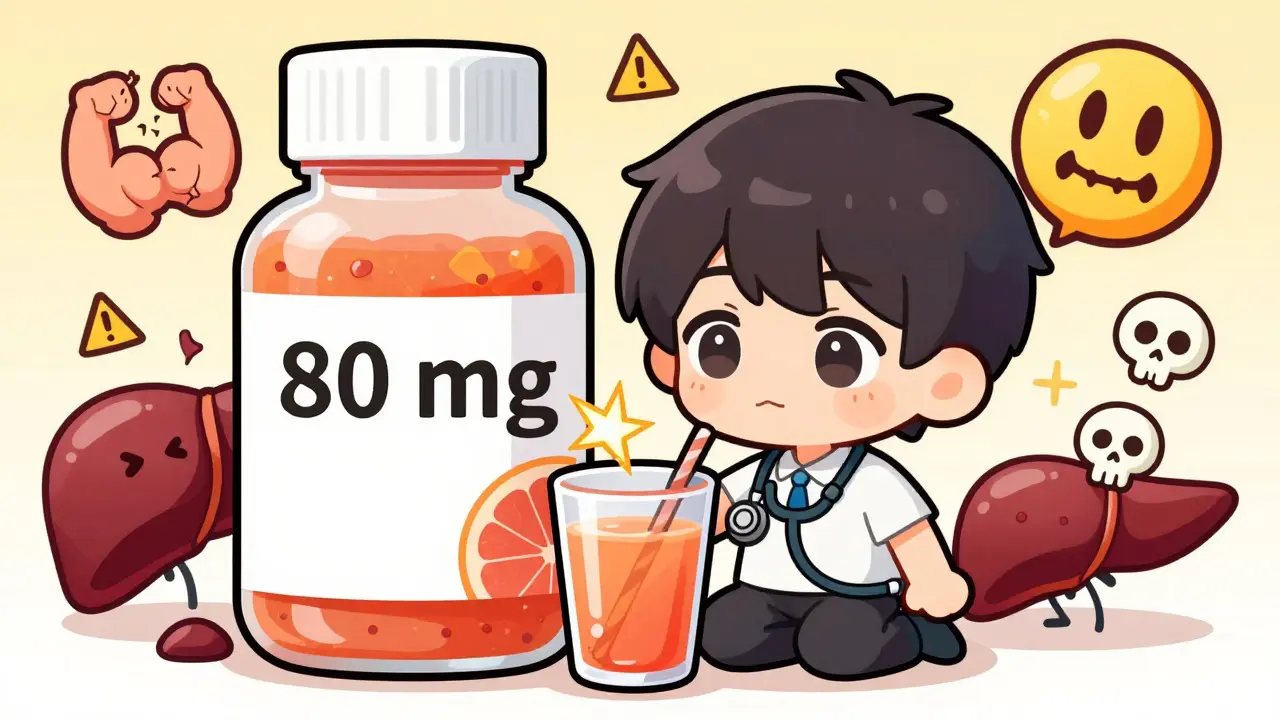
Check if your medications interact dangerously with simvastatin (Zocor). Simvastatin is metabolized by the CYP3A4 enzyme, and certain drugs can cause dangerous buildup that leads to muscle damage, liver issues, or rhabdomyolysis.
When you're taking simvastatin to lower your cholesterol, you might not realize that something as simple as a daily glass of grapefruit juice-or a common antibiotic-could put you at serious risk. Simvastatin, sold under the brand name Zocor, is one of the most prescribed statins in the U.S., especially because generic versions cost as little as $4 a month. But behind its affordability and effectiveness lies a hidden danger: dangerous drug interactions that can lead to muscle breakdown, liver damage, and even death.
Why Simvastatin Is Different
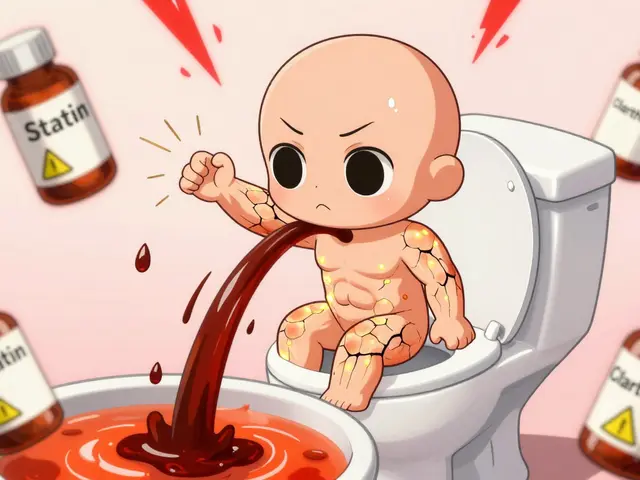
Not all statins work the same way. Simvastatin is broken down in your liver by an enzyme called CYP3A4. This is fine if you're only taking simvastatin. But if another medication or substance blocks that enzyme, simvastatin builds up in your blood. That buildup is what turns a routine cholesterol pill into a ticking time bomb.The FDA issued a major safety update in 2011 after data from the SEARCH trial and the Adverse Event Reporting System showed that the 80 mg dose of simvastatin carried a risk of muscle damage-rhabdomyolysis-that was nearly eight times higher than the 20-40 mg dose. The numbers don’t lie: 0.61% of people on 80 mg developed rhabdomyolysis, compared to just 0.08% on lower doses. That’s not a small difference. It’s a life-threatening one.
The Top 5 Dangerous Combinations
Here are the most common and dangerous drugs and substances that interact with simvastatin:
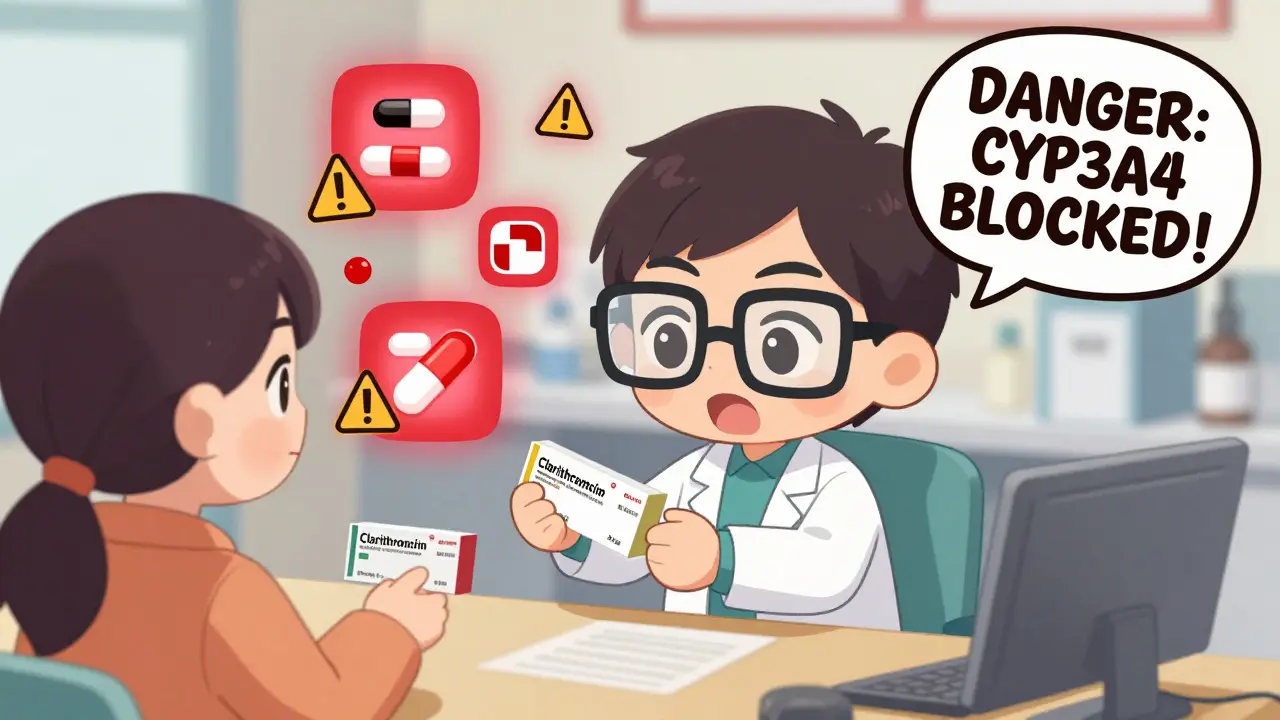
- Macrolide antibiotics like clarithromycin and erythromycin. These are often prescribed for sinus infections or bronchitis. Studies show they’re responsible for more adverse events than any other class of drugs when taken with simvastatin. In one clinical study, patients on simvastatin 40 mg who started clarithromycin developed severe muscle pain and weakness within 72 hours-some required hospitalization.
- Fungicides like ketoconazole, itraconazole, and posaconazole. These are used for stubborn fungal infections. The FDA specifically warns that combining these with simvastatin 80 mg can cause a dangerous spike in blood levels of the drug. Even the 10 mg dose becomes risky with these drugs.
- HIV medications such as ritonavir, darunavir, and cobicistat. These are strong CYP3A4 inhibitors. If you’re on antiretroviral therapy, simvastatin is often not an option. Doctors switch patients to pravastatin or rosuvastatin instead.
- Immunosuppressants like cyclosporine. Used after organ transplants, cyclosporine can raise simvastatin levels by over 10-fold. There are documented cases of rhabdomyolysis in transplant patients who were on both drugs without dose adjustments.
- Grapefruit juice. Yes, the same juice you think is healthy. A single 8-ounce glass can increase simvastatin levels in your blood by up to 260%. One study found that 43% of patients on high-dose simvastatin kept drinking grapefruit juice despite being warned. That’s not ignorance-it’s a deadly habit.
What About Other Statins?
Simvastatin isn’t the only statin out there. But it’s the most vulnerable. Pravastatin, rosuvastatin, and fluvastatin don’t rely heavily on CYP3A4. That’s why doctors now recommend switching away from simvastatin if you need to take any of the drugs listed above. For example:
- If you need a calcium channel blocker like diltiazem, the max simvastatin dose drops to 10 mg daily.
- If you’re on amiodarone or amlodipine, it drops to 5 mg daily.
- If you’re on a strong CYP3A4 inhibitor like clarithromycin? Simvastatin should be stopped entirely during treatment.
Many patients don’t realize their doctor changed their statin for a reason. If you’re on simvastatin and your doctor suddenly switched you to rosuvastatin, it’s likely because of a new medication you started-not because your cholesterol levels changed.
The Hidden Risk: Dose Matters More Than You Think
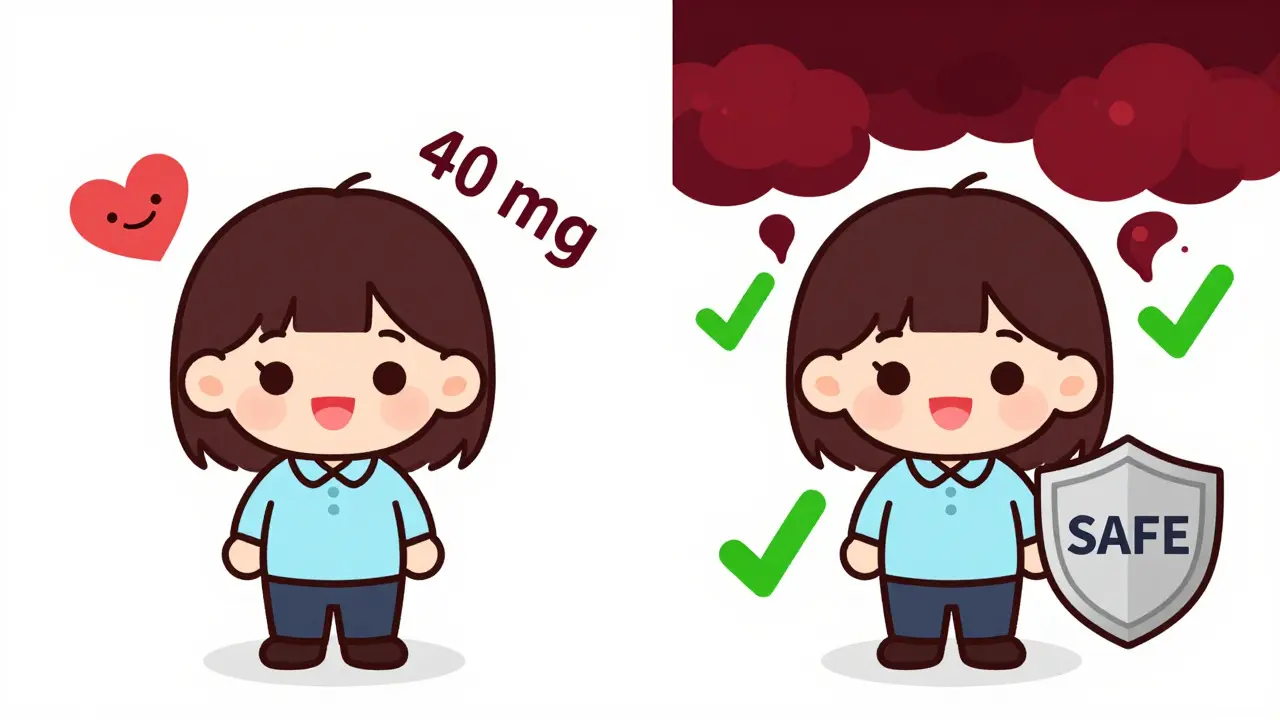
The 80 mg dose of simvastatin was once common. It’s not anymore. Since the FDA’s 2011 warning, new prescriptions for the 80 mg dose have dropped by 82%. Today, it’s used in less than 2% of new cases. That’s because the risk doesn’t scale linearly-it explodes.
Even patients on 40 mg are at higher risk than those on 20 mg. The Heart Protection Study, which followed over 20,000 people, found that 21 out of 20,536 patients on simvastatin 40 mg developed rhabdomyolysis. Only 9 out of 20,536 on placebo did. That’s more than double the risk. And it’s not just rare cases. Pharmacists report seeing patients with elevated creatine kinase levels-early signs of muscle damage-after starting antibiotics or antifungals while on simvastatin.
What You Should Do
If you’re taking simvastatin, here’s what to do right now:
- Check your dose. If you’re on 80 mg, ask your doctor if you really need it. Most people don’t. Lower doses are just as effective for many and far safer.
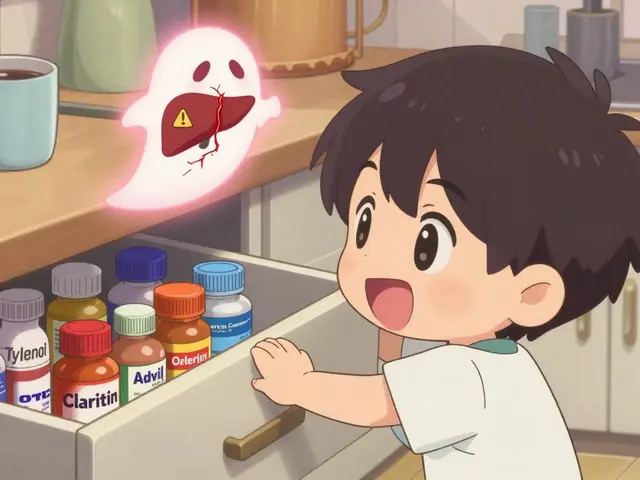
- Review all your meds. Include over-the-counter drugs, supplements, and even herbal products. Some cold medicines and antacids can interfere too.
- Stop grapefruit juice. No exceptions. Even one glass a week is risky. Oranges are fine. Grapefruit is not.
- Get tested. If you’ve been on simvastatin for more than six months, ask for a liver enzyme test (ALT/AST) and a CK test (creatine kinase). These are simple blood tests that can catch early signs of damage.
- Know the warning signs. Unexplained muscle pain, weakness, or dark urine could mean rhabdomyolysis. Call your doctor immediately if you notice these.
What Your Pharmacist Can Do
Pharmacists are your last line of defense. They screen for interactions every time you fill a prescription. Studies show that pharmacy-based intervention programs reduce dangerous simvastatin combinations by 67% in older adults. If your pharmacist flags a potential interaction, don’t brush it off. They’ve seen this before-and they’ve seen the consequences.
Many patients don’t realize that pharmacies now use automated systems that check every new prescription against every drug they’re already taking. If you’re on simvastatin 40 mg and your doctor prescribes clarithromycin, the system will alert the pharmacist. They’ll call your doctor. They might even delay the fill until the interaction is resolved.
What’s Changing Now
There’s new research pointing to genetics. Some people have a variant in the SLCO1B1 gene that makes them far more likely to develop muscle damage from simvastatin. Those with this variant have up to 4.5 times higher risk of rhabdomyolysis. The American Heart Association now recommends testing for this gene before starting high-dose simvastatin-especially if you’re over 65 or have kidney disease.
Meanwhile, newer statins like pitavastatin are gaining traction because they don’t rely on CYP3A4. They’re more expensive, but for people on multiple medications, they’re safer. And as the 80 mg dose of simvastatin fades into history, the focus is shifting to personalized care-not one-size-fits-all dosing.
Final Thought
Simvastatin is not dangerous on its own. But when paired with the wrong drug, supplement, or even food, it becomes a hidden threat. The good news? You can protect yourself. Know your dose. Know your meds. Know the warning signs. And if you’re unsure? Ask. Your pharmacist, your doctor, your nurse-they’ve all seen what happens when these interactions are ignored. Don’t wait until it’s too late.



Charity Hanson
February 28, 2026 AT 18:56Vikas Meshram
March 1, 2026 AT 21:02Sneha Mahapatra
March 3, 2026 AT 08:56bill cook
March 5, 2026 AT 02:32Ben Estella
March 7, 2026 AT 01:44Jimmy Quilty
March 7, 2026 AT 14:47Miranda Anderson
March 8, 2026 AT 03:34Gigi Valdez
March 8, 2026 AT 19:07Byron Duvall
March 9, 2026 AT 08:59Brandon Vasquez
March 9, 2026 AT 23:13Eimear Gilroy
March 10, 2026 AT 19:53Ajay Krishna
March 12, 2026 AT 03:05