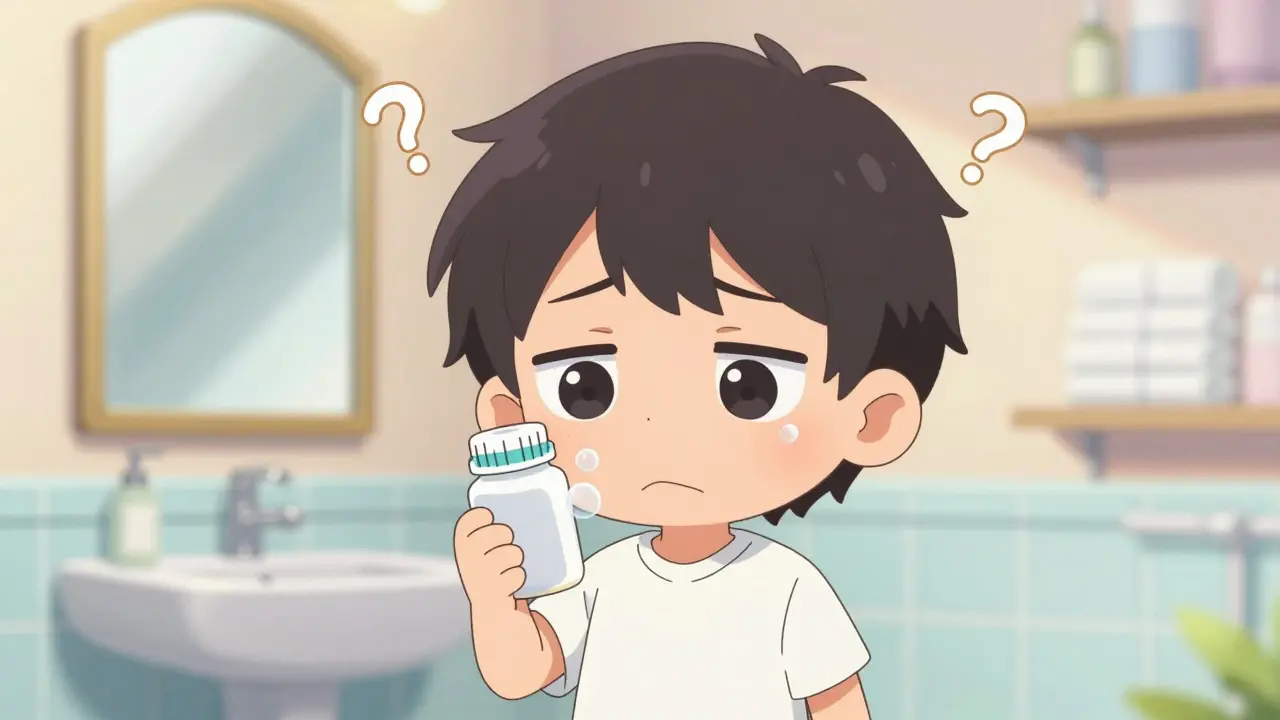
You’ve stood in front of your medicine cabinet with a bottle in hand, squinting at the label, wondering which number actually matters. On one side, there is the expiration date. On the other, there’s the refill-through date. They look similar-both are deadlines printed in bold-but confusing them can lead to wasted money or unsafe gaps in your treatment.
This isn't just a small administrative mix-up. According to recent analysis, over 68% of medication access issues stem directly from patients getting these two dates mixed up. Some people throw away perfectly good medicine because they think it's expired, while others try to refill prescriptions long after the doctor's order has lapsed. Let's break down exactly what each date means and how to keep track of them so you stay safe and save cash.
The Science Behind the Expiration Date
When you hear "expiration," your first thought is probably danger. In the world of pharmaceuticals, the Expiration Date is indeed about safety and stability. It represents the last day the manufacturer guarantees the medication will remain fully potent and chemically stable under proper storage conditions.
This isn't just a random guess. Companies must conduct rigorous stability testing before a product ever hits the shelf. For most solid tablets, this involves proving the drug retains its strength for a set period, often years. However, once the pharmacist puts a label on a bottle, the date changes. Pharmacies typically apply their own expiration date based on when they dispense the drug, often setting it to one year from the fill date for non-refrigerated items.
Why does this shift matter? Because a pill stored in a hot bathroom cabinet might degrade faster than one in a cool pantry. The Medication Potency relies on these environmental controls. Regulatory standards mandate that patients stop using medication after this date because the chemical composition could change. While some studies suggest drugs might maintain effectiveness for longer periods, pharmacists cannot legally dispense anything past this line due to liability and safety protocols.
What Is the Refill-Through Date?
If the expiration date is about chemistry, the Refill-By Date is about administration. This is also known as the Refill-Through Date. It marks the end of the legal authorization period set by your prescribing doctor. This deadline tells you until when you are allowed to request refills without contacting the prescriber again.
Think of this as a license to access your medication supply. Once you pass this date, the original prescription becomes invalid, even if there are still doses left in the bottle or if you haven't finished the course. The length of this window varies. Standard convention often defaults to one year from the initial fill date, but certain controlled substances are regulated differently, sometimes limiting this window to six months to prevent misuse.
In the U.S. and many other regions, the National Association of Boards of Pharmacy enforces that both dates appear on every label. Recent industry data indicates that over 98% of chain pharmacies comply with this dual-date requirement. However, knowing the difference is where patients struggle. A survey found that nearly half of users couldn't correctly distinguish between the two labels on their bottles.
Comparing the Two Critical Deadlines
To clear up the confusion, we can look directly at how these dates function side by side. They serve completely different purposes, even though they often look visually similar on the label. Understanding the attributes of each helps you decide which one dictates your next move.
| Feature | Refill-By Date | Expiration Date |
|---|---|---|
| Purpose | Administrative Limit | Safety Limit |
| Determines | When refills expire | When medicine expires |
| Basis | Doctor's Authorization | Chemical Stability |
| Action Required | Contact Doctor | Discard Medicine |
| Typical Duration | Usually 1 Year | Varies (Months/Years) |
Consequences of Getting Them Wrong
Mixing up these dates isn't just a paperwork error; it leads to real-world health risks. The most common scenario involves patients discarding expensive medication prematurely. Imagine throwing away a month's supply of insulin because you thought the Refill-By Date meant the liquid inside was bad. That single mistake can cost hundreds of pounds.
On the flip side, the risk of medication gaps is significant. Data from Medicare Part D shows that roughly 24% of beneficiaries experience interruptions in care simply because they failed to process a refill before the administrative deadline passed. By the time they realize the Refill-Through Date has expired, they might already be out of medicine, requiring urgent trips to clinics to get a new script written.
Safety warnings cannot be overstated. Using a medication past its expiration date compromises its chemical stability. Even if the pills look fine, they might not work effectively. Conversely, trying to fill a prescription after the Refill-Date often results in insurance rejections, as the payer sees the claim as coming from an outdated order. This forces delays in treatment that shouldn't happen if you simply knew which date to watch.
How to Manage Your Medication Dates
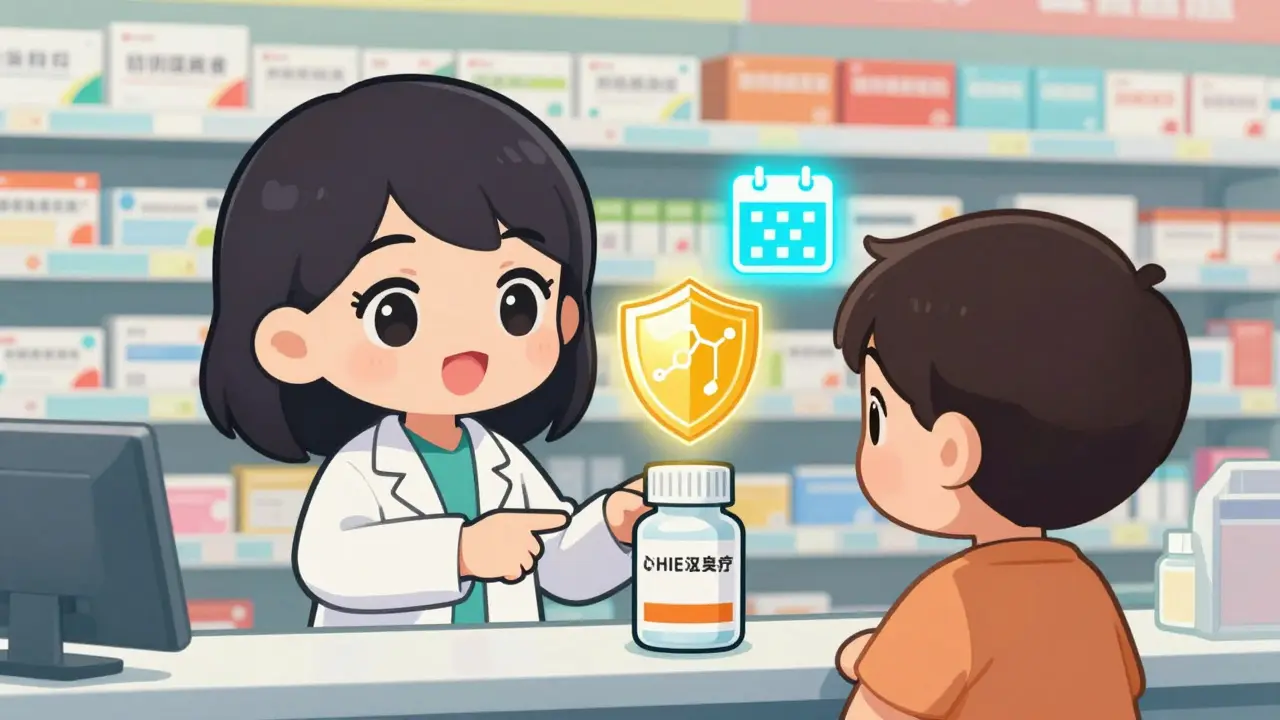
Since manual tracking of two different timelines can be tough, experts recommend setting up systems to handle the workload. A simple digital calendar reminder works wonders. Most patients benefit from setting a notification for seven days before the Refill-By Date. This gives you ample time to contact your GP if you need a renewal, avoiding the panic of a sudden stock-out.
Keeping a physical logbook alongside your medicine cabinet is another effective strategy. Writing down both dates for each bottle ensures you don't rely solely on memory. This practice is particularly helpful for those managing chronic conditions with multiple medications. Studies suggest that patients who track their dates reduce medication access issues by more than 60%. It transforms a confusing labelling system into a manageable schedule.
Furthermore, never alter a label. If you notice discrepancies or unclear printing, ask the pharmacist to rewrite it immediately. Pharmacy professionals spend minutes verifying these details to ensure they match the prescription exactly, but sometimes errors slip through. Being proactive about your own labels protects your record in the event of a coverage dispute.

Future Standards and Smart Labelling
The industry is aware that the current format creates confusion, which is why pharmacy technology is evolving. We are seeing a shift towards "smart labels" in major chains. These often include QR codes that link to video guides or digital logs, helping patients understand exactly what the dates mean in plain English.
Regulatory updates have also pushed for clearer distinctions. New requirements for electronic prescription systems now mandate that software clearly separates administrative expiry from medical expiry in the digital record. By late 2024, nearly 90% of health record systems were required to differentiate these data points electronically. This reduces the chance of a computer error flagging the wrong date during processing.
Even better, augmented reality features in upcoming pharmacy apps will soon allow you to scan a bottle with your phone. The overlay will highlight the specific "Refill-By" date in one colour and the "Expiration Date" in another, removing the need for mental calculation. As these tools become standard, the burden of remembering the difference will lighten, but until then, knowing the basics remains essential.
Questions Patients Ask About Prescription Dates
Despite improvements in labelling, questions linger in waiting rooms across the city. Below are the answers to the most frequent concerns regarding these critical dates.
Can I take medication past the Refill-By Date?
Yes, you can. The Refill-By Date only limits when you can request more refills from the pharmacist. As long as the actual Expiration Date hasn't passed, the medication in your current bottle is safe to consume. You simply need to see your doctor to authorize new refills once that date arrives.
Does the Expiration Date change if I open the bottle?
Sometimes. For liquids or refrigerated products, the clock often starts when opened, not when manufactured. Pharmacies usually label these with a short usage window (like 30 days). For dry tablets, the original date usually applies regardless of opening, but always check the specific instructions on the label.
What happens if I miss my Refill-Through Date?
Your pharmacy cannot legally dispense more refills until you obtain a new prescription. This may require scheduling a visit with your GP or requesting a prescription extension via email or portal. Processing a new prescription takes extra time, so aim to request extensions a week early.
Are these dates the same in every country?
While the specific terms might vary slightly by region, the concept is universal. Most countries, including the UK, enforce distinct safety and administrative deadlines. However, the duration allowed for refills (e.g., one year versus six months) depends on local pharmacy laws and the specific type of drug being prescribed.
Why do insurance companies block refills after the Refill Date?
Insurance providers validate claims against the active status of a prescription. Once the Refill-Through Date passes, the system flags the claim as invalid because the doctor's authority has expired. To fix this, the provider needs to send a renewed, updated script that falls within the insurance plan's approval cycle.



gina macabuhay
March 27, 2026 AT 22:30Honestly it makes me furious how many people just throw away perfectly good pills because they cant tell which number matters more.
You are literally paying for healthcare waste that could feed someone else for weeks.
Stop throwing money into the trash bin and actually read the label next time you walk into the pharmacy aisle.
Safety is important but so is financial responsibility.
You owe it to yourself to understand the basics.
Monique Louise Hill
March 29, 2026 AT 06:54I was struggling so much with my insulin bottles lately and found out something crucial.
Thank you for writing this clearly so I can stop panicking.
Finally understanding the numbers brings peace of mind.
I hope others find relief too. 🙌🏼💖
Poppy Jackson
March 30, 2026 AT 14:23my heart actually sank reading about people wasting medicine
it feels so sad that folks lose access because of paper work issues instead of real medical problems
we need better systems everywhere <3
Aaron Olney
March 31, 2026 AT 18:24i almost throwed mine out last month thinking it expired early
the pharmacy guy told me nope still good but i was shooked man
so scarry
Paul Vanderheiden
April 1, 2026 AT 06:21really appreciate the info here keep going guys it helps everyone out so much
do not worry about the confusing stuff just take your med as prescribed
Sophie Hallam
April 1, 2026 AT 20:47Clear distinction between chemistry and administration is vital for managing chronic conditions.
Thank you for clarifying the distinction between chemistry and administration.
We need clear communication between doctors and patients regarding these administrative limits.
This breakdown is incredibly helpful for managing chronic conditions.
Rohan Kumar
April 3, 2026 AT 00:10Big Pharma wants you confused so you buy new boxes every time 🤨💊
Do not trust the labels blindly sometimes.
Keep your own records.
#Woke
Sabrina Herciu
April 3, 2026 AT 16:28As a pharmacist, I see this confusion daily.
Please remember that insurance rejections happen strictly based on the Refill-Through Date.
Always contact your prescriber seven days prior.
Your health depends on it.
Philip Wynkoop
April 5, 2026 AT 06:16Got it sorted out finally. :)
Monique Ball
April 6, 2026 AT 17:05I used to feel so anxious opening my pantry door regarding pill bottles.
But now I know exactly what to do when I spot those dates.
I made a calendar system for myself yesterday morning.
It took twenty minutes but it was worth every second of effort.
My doctor was impressed when I called ahead of time last week.
He said nobody usually calls that far in advance anymore.
It feels so empowering to manage your own health timeline effectively.
You should really print this guide and tape it to the fridge.
Trust me it saves so much stress during holiday seasons.
The kids will learn from seeing you stay responsible too.
It is such a nice feeling knowing you are safe financially.
Money saved means buying groceries or treats instead of wasted drugs.
We can all be advocates for our own safety together.
Please share this with your elderly neighbors who struggle most.
They deserve the protection we have here today.
Stay safe everyone out there!!!
kendra 0712
April 7, 2026 AT 01:31I am absolutely fascinated by the science behind the stability testing!!
It is amazing how companies prove strength for years!!!
I hope everyone reads this carefully!!!!!!