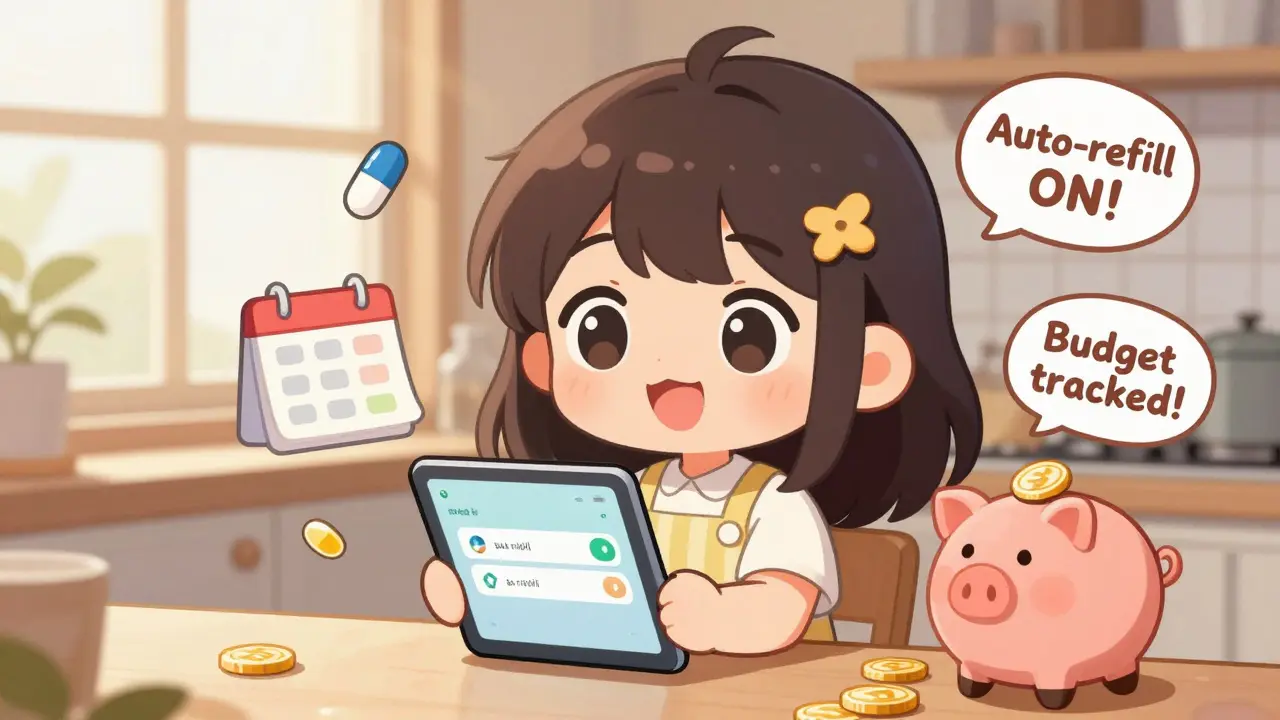
Managing medication costs doesn’t have to mean guessing how much you’ll spend each month. If you’re on multiple prescriptions, especially long-term ones, you’re probably familiar with the surprise of a price hike, a missed refill, or a pharmacy bill that feels too high. The good news? You can take control. Setting up a simple medication budgeting system and auto-refill alerts isn’t just for hospitals-it works just as well for individuals. And you don’t need fancy software or a pharmacy degree to do it.
Start with what you’re actually spending
Before you can budget for your meds, you need to know where the money’s going. Grab your last three months of pharmacy receipts or log into your pharmacy’s app. Look at every prescription you’ve filled. Write down the name, dosage, how often you take it, and how much you paid each time. Don’t forget over-the-counter drugs you use daily, like pain relievers or antacids. These add up faster than you think.For example, if you take metformin 500mg twice daily, and it costs £28 per 30-day supply, that’s £84 a month. If you also take atorvastatin at £19 per month and a daily aspirin that costs £5, you’re already at £108 monthly. That’s over £1,300 a year-just for three pills. Now imagine if one of those prices jumps 20% next year. That’s £260 extra you didn’t plan for.
Write this all down. You’re not trying to be perfect-you’re just getting real. This list becomes your baseline. You’ll use it to track changes, spot trends, and catch surprises early.
Use your pharmacy’s auto-refill system
Most major pharmacies in the UK-Boots, Lloyds, Superdrug, and even independent ones-offer free auto-refill services. It’s not magic. It’s just smart scheduling. When you sign up, you tell them how often you need your meds. They’ll refill it automatically and notify you when it’s ready. No more running out on a Saturday. No more forgetting to call in.Here’s how to set it up:
- Log in to your pharmacy’s website or app.
- Go to your prescription list.
- Find each ongoing prescription and toggle on “Auto-refill” or “Repeat prescription.”
- Choose how you want to be notified: text, email, or app alert.
- Set your preferred pickup location or delivery option.
Some systems even let you pause or skip a refill if you’re going on holiday. That’s a lifesaver. No one wants to pay for 30 extra pills they won’t use.
Pro tip: Don’t just rely on the pharmacy. Add a calendar reminder two days before each refill is due. That way, if the system glitches (yes, they sometimes do), you’ve got a backup.
Track your budget with a simple spreadsheet
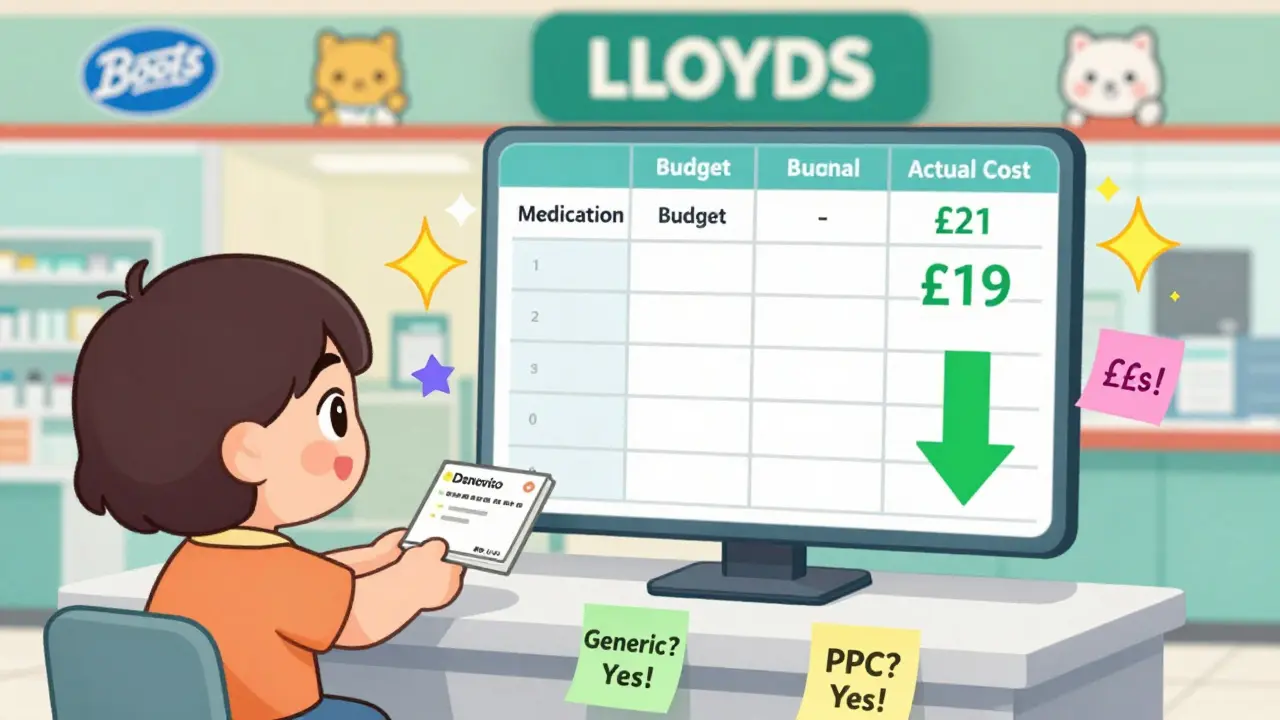
You don’t need expensive software. A free Google Sheet or Excel file does the job. Create three columns: Medication Name, Monthly Cost, and Actual Cost. Each month, update the “Actual Cost” column with what you paid. The system will show you if prices went up, stayed the same, or dropped.For example:
| Medication | Monthly Budget | Actual Cost (Jan 2026) |
|---|---|---|
| Metformin 500mg | £28 | £28 |
| Atorvastatin | £19 | £21 |
| Aspirin 75mg | £5 | £5 |
| Total | £52 | £54 |
See that £2 increase on atorvastatin? That’s your early warning. Now you can ask your GP if a generic version is available. Or check if you’re eligible for a Prescription Prepayment Certificate (PPC). In England, a 3-month PPC costs £31.60 and covers unlimited prescriptions. That’s cheaper than just two of those pills.
Set up alerts for price changes
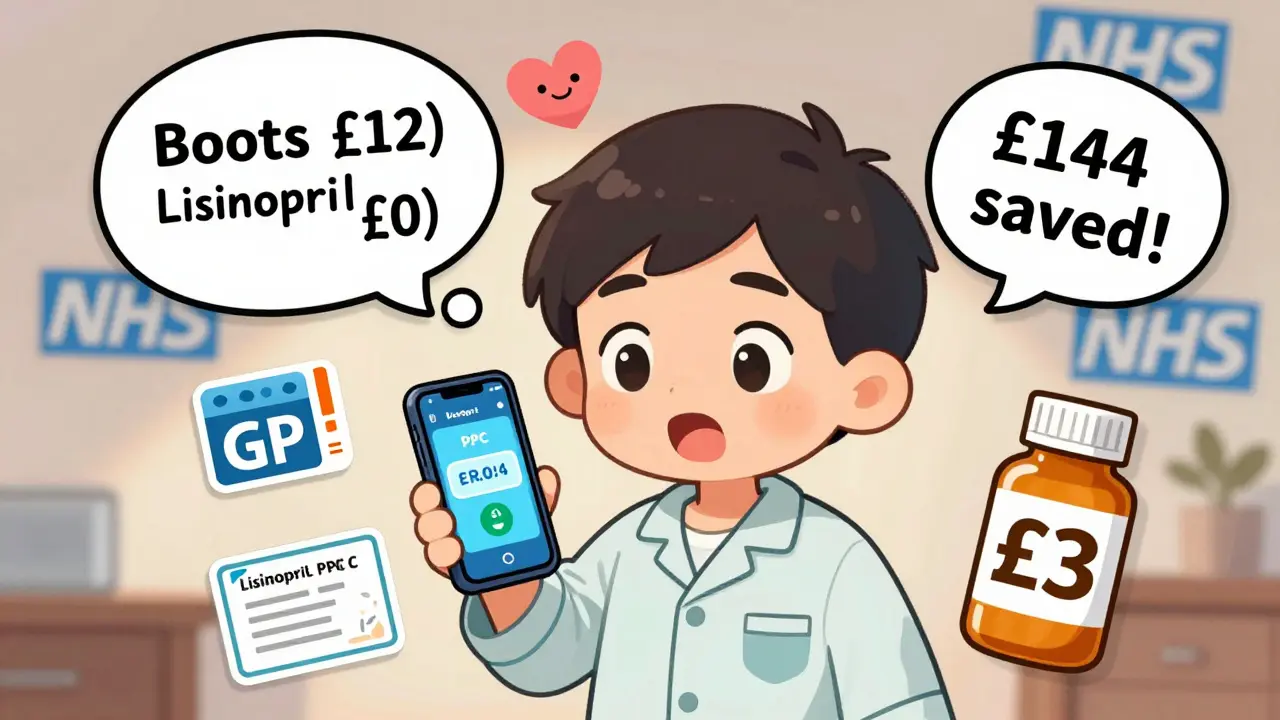
Pharmacies aren’t the only ones who track your meds. You can track drug prices too. There are free tools like Medicines Price Checker (NHS website) and apps like GoodRx (which works in the UK) that show you price differences between pharmacies. Set up a weekly 5-minute check: open the app, search your top three meds, and see if any nearby pharmacy has a better deal.One user in Manchester found their lisinopril was £12 cheaper at a local independent pharmacy than at Boots. That’s £144 saved a year. Just by switching.
Also, sign up for price-drop alerts. Some apps let you toggle “Notify me if price drops” for each drug. You’ll get a text or email the moment it happens. No more paying more than you need to.
Use your GP’s prescribing system
Your GP can do more than just write prescriptions. Ask them to:- Switch you to generic versions whenever possible.
- Prescribe larger quantities (90-day supplies) to reduce dispensing fees.
- Check if you qualify for exemption from prescription charges.
If you’re over 60, pregnant, on certain benefits, or have a long-term condition like diabetes or epilepsy, you might already be exempt. If you’re not sure, ask. It’s free to find out. And if you take more than 12 prescriptions a year, a PPC is almost always worth it.
Watch for when meds go off-patent
When a brand-name drug loses its patent, generics flood the market. Prices drop fast. But you won’t know unless you’re looking. For example, the blood pressure drug amlodipine was £14 per month as a brand name. Now, the generic costs £3. That’s 78% cheaper.Keep an eye on your meds. If you’ve been on the same drug for over 5 years, it’s likely generic now. Ask your pharmacist: “Is there a cheaper version available?” They’ll tell you. And if they say no, ask again next month. Sometimes, it takes time for the pharmacy to stock the cheaper option.
What to do if things go wrong
Auto-refill missed? Price jumped unexpectedly? Your budget got thrown off? Don’t panic. Here’s what to do:- Missed refill? Call your pharmacy immediately. Most will hold your meds for 7 days. If you’re out, ask for a one-time emergency supply.
- Price increase? Ask your GP for a therapeutic alternative. Sometimes, another drug works just as well at half the cost.
- System glitch? Switch to manual refills for a few months while you figure it out. Your health isn’t worth the hassle.
And if you’re struggling to afford your meds, talk to your GP or pharmacist. There are charities like the British Heart Foundation and Turn2Us that help people with prescription costs. You’re not alone.
Real results: what this looks like in practice
A 68-year-old woman in Salford started tracking her meds in January 2025. She took five prescriptions. Her monthly cost was £89. After setting up auto-refills, switching to a 3-month PPC, and switching one brand-name drug to generic, her cost dropped to £42 by March. That’s £564 saved in just three months. She didn’t change her health. She just changed how she managed her meds.Another man in Leeds noticed his insulin price jumped £15 a month. He checked GoodRx and found a nearby pharmacy selling the same brand for £3 less. He switched. Saved £36 a year. He didn’t even have to change doctors.
This isn’t about being frugal. It’s about being smart. Medications aren’t optional. But how you pay for them? That’s totally in your control.
What to do next
Start today. Right now:- Open your pharmacy app or website.
- Turn on auto-refill for every ongoing prescription.
- Open a blank spreadsheet and list your meds and their costs.
- Go to the NHS Medicines Price Checker and compare your current prices.
- Call your GP and ask: “Am I on the cheapest version of each drug?”
Do those five things, and you’ve already done more than 80% of people who pay for meds every month. You’re not just saving money. You’re protecting your health from the stress of unexpected costs.
Can I set up auto-refill for all my prescriptions?
Yes, most ongoing prescriptions can be set up for auto-refill, including antibiotics if they’re part of a long-term course. Controlled drugs like strong painkillers or sedatives usually can’t be auto-refilled due to legal rules, but your pharmacy can still send you reminders. Always check with your pharmacist if you’re unsure.
Do I have to pay for auto-refill services?
No. Auto-refill services are free at every major pharmacy in the UK. You only pay for the medication itself. Some pharmacies even offer free delivery if you sign up for auto-refill. It’s designed to help you stay on track, not to charge extra.
What if my medication price suddenly goes up?
First, don’t panic. Check if it’s a one-time increase or a permanent change. Then, ask your pharmacist if there’s a cheaper generic version. If not, ask your GP for an alternative drug. You can also check the NHS Medicines Price Checker to see if another pharmacy has it cheaper. Sometimes, switching pharmacies saves you £10-£20 a month.
Is a Prescription Prepayment Certificate (PPC) worth it?
If you pay for more than three prescriptions in three months, or more than 12 in a year, then yes. A 3-month PPC costs £31.60. A 12-month one costs £111.60. That’s cheaper than just four prescriptions at £10 each. You can buy it online through the NHS website. It covers all your prescriptions, even over-the-counter ones if they’re prescribed.
Can I use this system if I’m on benefits?
Absolutely. In fact, if you’re on certain benefits like Universal Credit, Pension Credit, or Income Support, you may already qualify for free prescriptions. Check your eligibility on the NHS website. Even if you’re not exempt, tracking your spending helps you decide whether a PPC is better than paying per prescription. You’re still in control.
Don’t wait for a bill shock to act. The system is already there. You just need to turn it on.



Lillian Knezek
February 25, 2026 AT 04:24Maranda Najar
February 25, 2026 AT 06:06Christopher Brown
February 25, 2026 AT 09:02Sanjaykumar Rabari
February 26, 2026 AT 19:50Kenzie Goode
February 28, 2026 AT 07:18Dominic Punch
March 2, 2026 AT 05:36Valerie Letourneau
March 2, 2026 AT 18:38Khaya Street
March 3, 2026 AT 22:54