Bursitis: Causes, Treatments, and How Medications Help
When your bursitis, inflammation of the fluid-filled sacs that cushion your joints. Also known as joint bursa inflammation, it often strikes the shoulder, hip, knee, or elbow — areas that take repeated pressure or motion. It’s not just aging. It’s overuse, injury, or even an infection quietly turning a normal movement into pain.
Bursitis doesn’t happen in isolation. It’s tied to anti-inflammatory drugs, medications that reduce swelling and pain in inflamed tissues, like ibuprofen or naproxen. These are often the first line of defense because they tackle the root: inflammation. But when pills aren’t enough, corticosteroid injections, directly delivered shots that calm severe joint inflammation can bring fast relief — sometimes lasting months. These aren’t magic, though. They’re tools, used carefully because repeated use can weaken tendons. And if your bursitis comes from an infection, antibiotics become the key — not painkillers.
What triggers it? Lifting heavy boxes, kneeling for hours, or even sleeping on one side too long. People with arthritis, gout, or diabetes are more likely to get it. And yes — it can come back if you don’t change what’s causing it. That’s why treatment isn’t just about pills or shots. It’s about rest, movement, and knowing when to stop pushing through pain.
You’ll find posts here that explain how to tell if your elbow pain is bursitis or something else. How to use ice and heat the right way. When to skip the gym and when to start gentle rehab. You’ll see how insurance covers steroid shots, why some generic pain meds work just as well as brand names, and how to avoid making it worse by misusing your meds. No fluff. Just what actually helps — and what doesn’t.
Bursitis and Tendinitis: How to Tell Them Apart and Treat Them Right
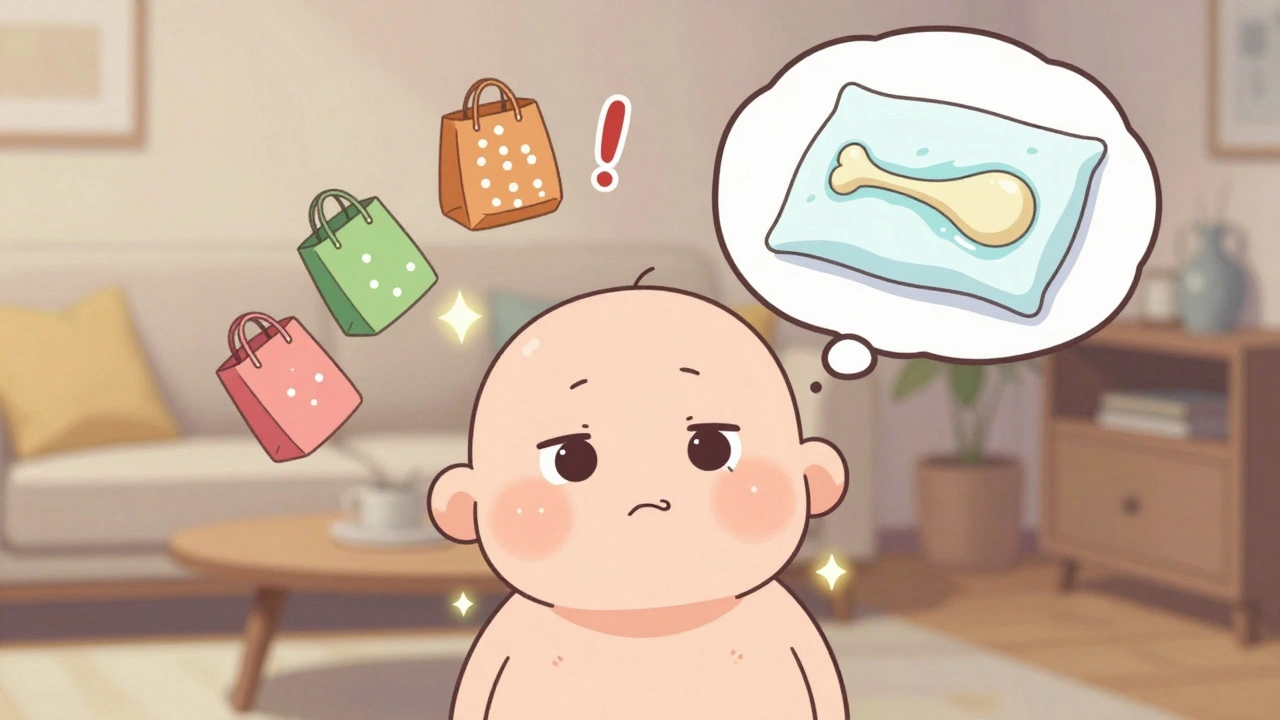
Bursitis and tendinitis cause joint pain but affect different tissues. Learn how to tell them apart, what treatments actually work, and how to prevent them from coming back.
read moreRecent Post
-
Choosing the Best Hair Loss Supplements for Alopecia
Oct, 14 2025