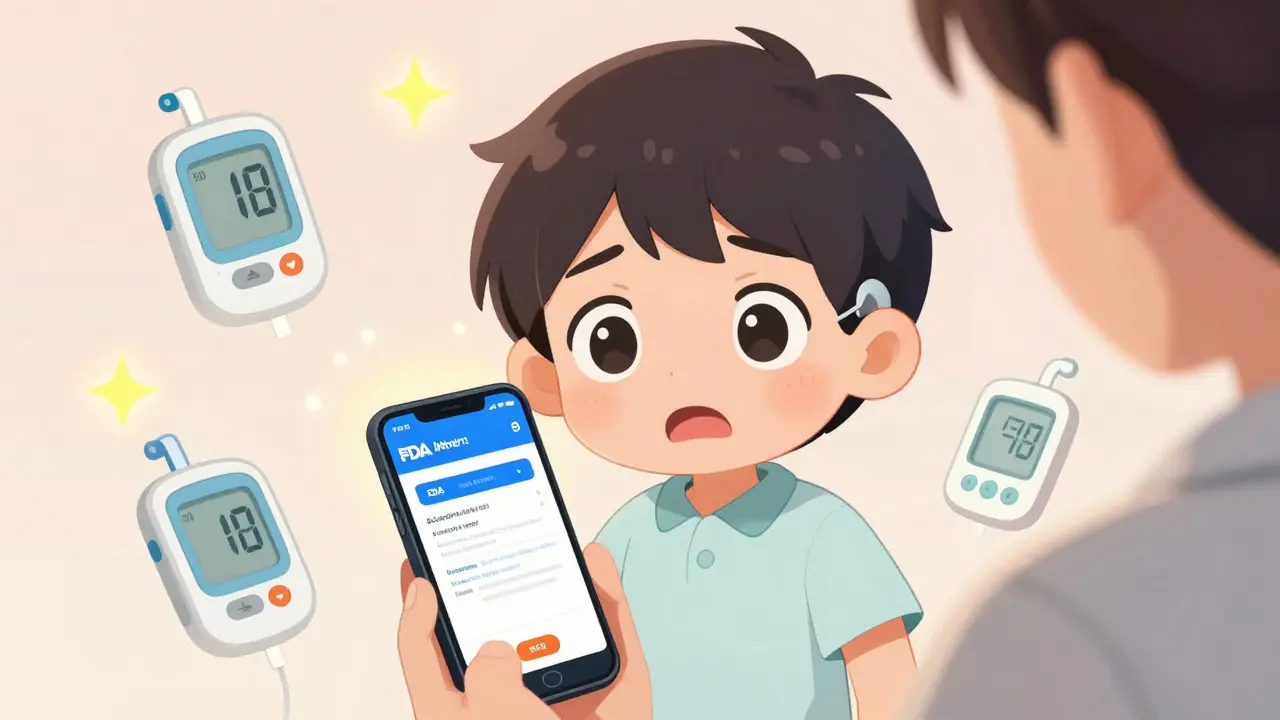
Imagine you’re taking a medication every day, or you use a pacemaker, insulin pump, or even a hearing aid. One day, the FDA finds out that a batch of these devices or drugs has a hidden flaw-something that could cause serious harm. But here’s the thing: FDA Safety Communications might have already warned the public. If you’re not subscribed, you won’t know until it’s too late.
Why FDA Safety Alerts Matter
The U.S. Food and Drug Administration doesn’t just approve drugs and devices. It watches them after they’re on the market. That’s called postmarket surveillance. And when something goes wrong-like a faulty glucose monitor giving wrong readings, or a batch of blood pressure pills containing a cancer-causing contaminant-the FDA issues a safety communication. These aren’t just press releases. They’re urgent, actionable alerts sent directly to patients, doctors, and manufacturers. In 2022 alone, the FDA’s Center for Devices and Radiological Health issued 45 safety communications about medical devices. That’s not counting drug recalls, food warnings, or vaccine updates. If you’re using any FDA-regulated product, you’re at risk of being affected by one of these issues. And if you’re not signed up, you’re flying blind.How the System Works
The FDA doesn’t send out one giant email blast to everyone. Instead, it gives you control. Through the Enforcement Report Subscription Service, you can pick up to five keywords that matter to you. Want to know about recalls involving peanut? Subscribe to that. Need alerts for insulin or metformin? Add those. A parent with a child using a ventilator? Subscribe to ventilator. The system filters every new alert and only sends you the ones matching your keywords. No more sifting through hundreds of unrelated recalls. Just the ones that impact your life.Medical Device Safety: A Major Upgrade in 2025
One of the biggest changes happened on September 29, 2025. The FDA expanded its Early Alert Communications Program to cover all medical devices. Before that, it only covered five categories: cardiovascular, gastrorenal, general hospital, obstetrics and gynecology, and urology devices. Now, if there’s a potential safety issue with a hearing aid, a knee replacement, a pregnancy test kit, or even a smart inhaler, the FDA can send an Early Alert-even before it’s officially labeled a recall. These alerts include clear instructions: what to do, what symptoms to watch for, and whether to stop using the device. They’re written to sound like instructions from the manufacturer, so you know exactly what steps to take. This isn’t just convenient. It’s life-saving. In 2024, a pilot program found that Early Alerts reduced the time between FDA discovering a problem and the public being warned by an average of 11 days. That’s 11 days where people could have been injured or worse.Drug Safety Alerts Are Just as Important
Medical devices aren’t the only concern. Drug Safety Communications cover everything from contaminated cough syrups to unexpected side effects in antidepressants. In 2023, the FDA issued over 120 drug safety alerts. Some were about recalls. Others were about new warnings added to labels-like increased risk of suicidal thoughts in teens taking certain ADHD meds. If you take prescription drugs, over-the-counter medications, or even supplements that fall under FDA oversight, you need to know when something changes. A drug that was safe for years might suddenly be linked to liver damage. That’s not rumor. That’s data from the FDA’s FDA Adverse Event Reporting System (FAERS) and the Sentinel System, which tracks medication use in over 300 million people.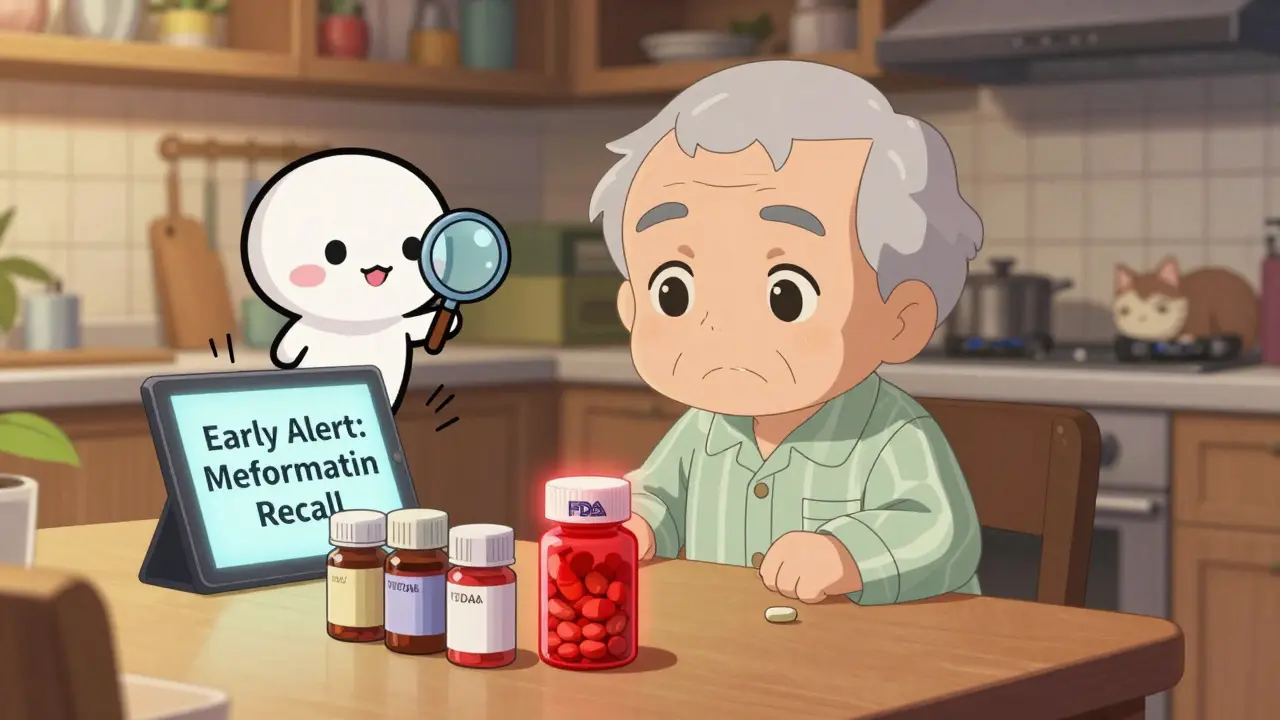
Who Should Subscribe?
You don’t have to be a doctor or a manufacturer to benefit.- Patients with chronic conditions: If you rely on insulin, blood thinners, dialysis machines, or pacemakers, you’re at higher risk. Subscribe to those keywords.
- Parents of children with special needs: Many kids use feeding tubes, ventilators, or hearing aids. A recall in any of those could be urgent.
- Seniors on multiple medications: More drugs = more chances for dangerous interactions. Stay updated.
- Healthcare providers: You’re responsible for patient safety. Missing an alert could mean prescribing a compromised product.
- Medical device manufacturers and pharmacies: It’s not optional. It’s a regulatory requirement. Ignoring these alerts can lead to fines, lawsuits, or worse.
How to Sign Up (It Takes Less Than 5 Minutes)
Go to FDA.gov and search for “Subscribe to FDA Safety Communications.” You’ll see two main options:- Enforcement Report Subscription Service: For recalls across all FDA-regulated products-drugs, devices, food, cosmetics. Choose up to five keywords. Examples: metformin, insulin pump, peanut, aspirin, hearing aid.
- Subscribe to Medical Device Safety and Recalls: This one gives you all device-related alerts, including Early Alerts. No keyword selection needed-just turn it on.
What You Won’t Get
Don’t expect daily emails. Most people get one or two alerts a month. Some get none for months. That’s because serious safety issues are rare. But when they happen, you’ll know immediately. Also, don’t rely on news sites or social media. The FDA is the only source that has access to the full data from FAERS and Sentinel. If you hear about a recall on Twitter, it’s likely already outdated.
Common Mistakes People Make
- Using vague keywords: Subscribing to “medicine” won’t help. Be specific: “lisinopril,” not “blood pressure drug.”
- Only subscribing to one thing: If you take multiple medications or use a device, subscribe to all relevant keywords. Don’t assume one alert covers everything.
- Not checking your spam folder: FDA emails sometimes get filtered. Add fda.gov to your safe sender list.
- Thinking it’s only for U.S. residents: The alerts are global. If you’re outside the U.S. and use FDA-approved products, you’re still at risk.
What Happens If You Don’t Subscribe?
You might find out about a recall from a doctor, a pharmacist, or worse-after you’ve been injured. In 2023, a faulty insulin pump model caused three deaths before the FDA issued a recall. Patients who had subscribed to “insulin pump” received the alert 72 hours before the public announcement. They switched devices in time. Others didn’t. This isn’t about being paranoid. It’s about being informed.Future Improvements Coming
The FDA is working on making this even smarter. They’re testing natural language processing to better match keywords-even if you type “glucose monitor” instead of “blood sugar device.” They’re also exploring ways to integrate Early Alerts with electronic health records so doctors get notified automatically. The goal? Zero preventable harm from FDA-regulated products.Don’t Wait for a Crisis
You wouldn’t ignore a fire alarm. Why ignore a safety alert that could save your life-or your child’s? It takes five minutes to sign up. It could save you months of worry, doctor visits, or worse. Go to FDA.gov. Search for “Subscribe.” Pick your keywords. Hit submit. That’s it. You’ll never miss an alert again.Is subscribing to FDA safety alerts free?
Yes, it’s completely free. There are no fees, no hidden costs, and no ads. The FDA provides these alerts as a public service to protect health and safety.
Can I unsubscribe later?
Yes. Every email you receive includes an unsubscribe link at the bottom. You can turn off alerts for any subscription at any time.
Do FDA alerts apply to people outside the United States?
Yes. If you use a drug, device, or food product approved by the FDA-even if you live in the UK, Canada, or Australia-you’re affected by these alerts. Many global manufacturers sell FDA-approved products worldwide.
What if I don’t know what keywords to choose?
Start with the names of the medications you take, the brand names of your medical devices, or common allergens like peanuts or shellfish. If you’re unsure, check your prescription labels or device manuals-they often list the exact product names used in FDA alerts.
How quickly will I get an alert after it’s posted?
Typically within minutes. The FDA sends alerts via email as soon as they’re published on their website. Most subscribers receive them within 15 minutes of the public posting.
Are Early Alerts the same as recalls?
No. Early Alerts come before a formal recall. They’re issued when the FDA identifies a potential safety issue but hasn’t yet determined if it meets the legal definition of a recall. They’re designed to get you to act faster-like stopping use of a device or contacting your doctor-before something becomes official.
Can I get alerts for food or cosmetics too?
Yes. The Enforcement Report Subscription Service covers all FDA-regulated products, including food, cosmetics, tobacco, and veterinary products. Just add keywords like “listeria,” “sunscreen,” or “e-cigarette” to your subscription.
What if I get too many alerts?
You can adjust your keywords at any time. If you’re getting too many, remove broad terms and use more specific ones. For example, change “blood pressure” to “amlodipine” or “hydrochlorothiazide.” You can also unsubscribe from one category and only keep the most critical alerts.

Gerald Tardif
December 26, 2025 AT 15:32Just signed up for insulin pump and metformin alerts. Took 3 minutes. Feels weird to say this but… I actually feel safer now.
Like locking your door but knowing someone just handed you the key to a hidden panic room.
Robyn Hays
December 26, 2025 AT 17:25I love how the FDA lets you pick keywords. I subscribed to ‘peanut’ because my kid’s allergic, ‘hearing aid’ because my mom uses one, and ‘lisinopril’ because my husband’s on it. It’s like having a personal health radar.
And no ads? Honestly, that’s the most radical thing about this whole system.
Liz Tanner
December 27, 2025 AT 15:11My grandma didn’t know how to subscribe, so I did it for her. She’s on six meds and a pacemaker. Yesterday she asked me if she should stop taking her blood pressure pills because she saw something on Facebook.
I showed her the FDA alert I got an hour earlier. She cried. Not from fear-from relief.
You don’t realize how much noise there is until someone hands you a filter.
Satyakki Bhattacharjee
December 27, 2025 AT 22:31This is just another way the government controls you. They want you dependent on their alerts so you never question why these products were approved in the first place.
Real safety is avoiding all pharmaceuticals and devices. Natural healing is the only truth.
Anna Weitz
December 28, 2025 AT 20:45They say it’s free but you know they’re tracking you now
Every keyword you type gets logged and sold to Big Pharma
They already know what meds you take before you even sign up
And when the next recall happens they’ll be the ones who profit from the panic
They’re not helping you they’re harvesting your fear
And the ‘early alerts’? That’s just a fancy word for controlled rollout
Wake up people this isn’t safety it’s surveillance with a nice UI
Jane Lucas
December 29, 2025 AT 06:02my mom got a recall email about her glucose monitor last week and we switched it out before anything happened
just wanted to say thank you to whoever made this system
Elizabeth Alvarez
December 29, 2025 AT 19:56Have you ever stopped to think about who really controls the FDA?
It’s not the scientists. It’s not even the doctors.
It’s the same corporate lobbyists who funded the original approvals.
These ‘alerts’? They’re delayed on purpose. The FDA waits until the damage is done so they can say ‘we acted quickly’ while the victims are already in the ER.
And the Early Alert program? That’s just PR theater to make you feel safe while they quietly extend the approval window for new devices.
Look at the 2024 pilot data they published-did you notice the sample size was under 500 patients?
They’re not protecting you. They’re protecting the stock price.
And if you subscribe? You’re just signing up to be a statistic in their next annual report.
Miriam Piro
December 30, 2025 AT 20:21Okay but what if the FDA itself is compromised?
Like what if the people who issue these alerts are secretly working with the manufacturers?
I’ve been reading the whistleblower reports from the Sentinel System-there’s a pattern of suppressed data.
And don’t get me started on the ‘early alerts’-they’re not early at all, they’re timed to avoid market crashes.
That’s why they’re so vague-so you don’t panic and cause a run on the pharmacies.
They want you to think you’re safe while they quietly phase out the bad batches.
And now they’re pushing integration with EHRs?
That’s not convenience-that’s a backdoor into your medical records.
They’re not giving you control.
They’re building a surveillance state wrapped in a safety blanket.
Subscribe if you want.
But don’t say I didn’t warn you.
:(