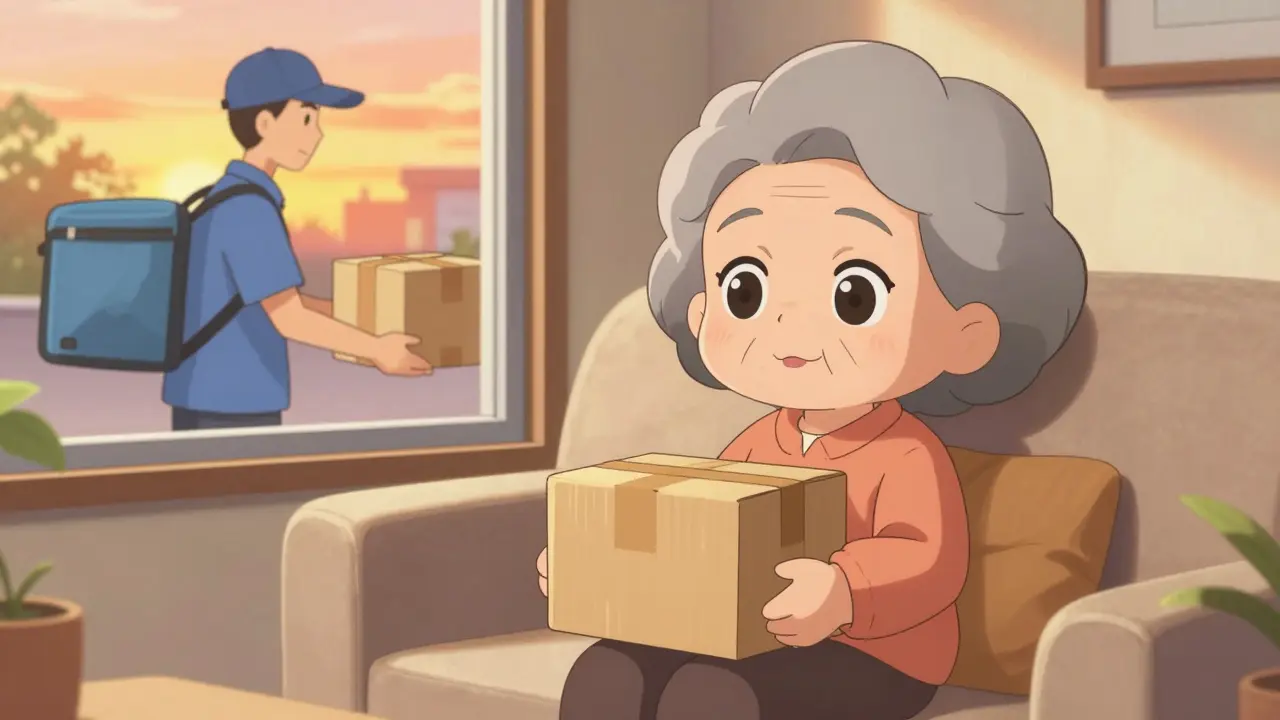
Imagine filling your prescription for the third time this month just to run out again two weeks later. It’s frustrating, expensive, and frankly, dangerous for your long-term health. That cycle of stopping and starting medication because you ran out is a massive problem for many people managing ongoing health issues. But there is a simpler way. Using pharmacy delivery services, often called mail-order, has transformed how millions of patients manage their care. It moves the burden of travel off your shoulders and onto a logistics team.
While you might assume this is only for people in wheelchairs or those living in remote areas, the reality is much broader. Modern mail-order pharmacy services are designed for anyone taking maintenance medications. Whether you are managing blood pressure, diabetes, or cholesterol, having your medicine arrive directly at your door ensures you never face a gap in treatment due to bad weather or a busy schedule. Let's break down exactly how to get started, what the numbers say about its effectiveness, and how to avoid common pitfalls.
Understanding Mail-Order and Delivery Models
At its core, this service is straightforward. Instead of walking into a local shop, your prescription is processed centrally by a large facility and shipped to you. This isn't new; the system started gaining traction in the late 1990s as internet connectivity improved, but it exploded during recent global health crises when avoiding crowded spaces became a priority.
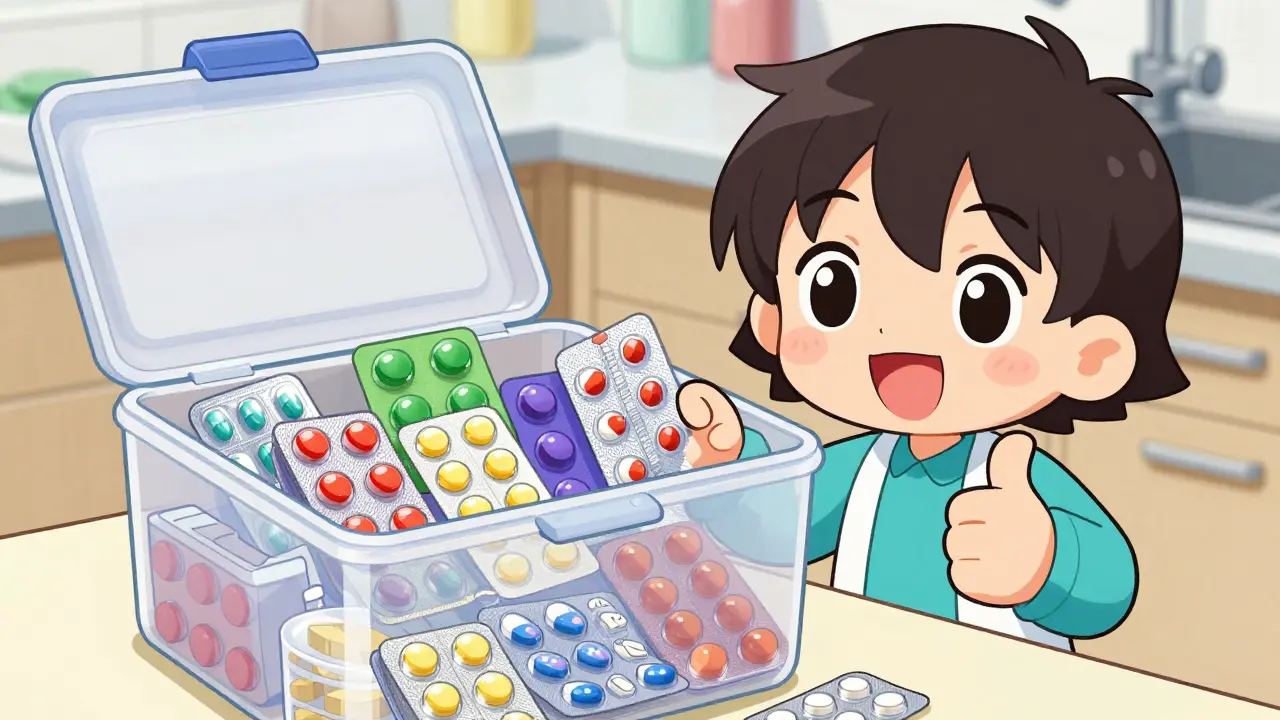
Mail-order pharmacy is a distribution method where licensed pharmacies dispense prescription drugs directly to patients' homes. These facilities operate differently from the high-street stores you see daily. They utilize robotic dispensing systems and computer-controlled quality processes, which means the likelihood of a dispensing error is significantly lower-research suggests these centers achieve up to 23 times greater accuracy compared to traditional retail counters.You typically order a 90-day supply at once rather than three separate monthly trips. This simple shift changes the rhythm of your health management. For those in the UK, similar concepts exist through NHS repeat dispensing, while privately operated services have grown rapidly to mirror the private sector models seen globally.
The Case for Medication Adherence
Why does this matter beyond just saving a trip? It comes down to consistency. We talk a lot about "medication adherencesticking to a prescribed drug regimen." In theory, everyone knows taking pills is good. In practice, it's hard. When you rely on a 30-day supply from a corner pharmacy, life gets in the way. Traffic, holidays, or illness can cause delays.
Data tells a compelling story here. Studies comparing patient behaviours show that individuals receiving 90-day mail-order prescriptions are 82% adherent to their therapy. Compare that to just 52% for those filling 30-day supplies at retail locations. That gap is significant. If you are taking medication for hypertension or heart health, missing doses puts you at risk of acute events. By automating the refill process, you remove the human factor of "forgetting to go to the store."
This is especially critical for chronic conditions. Diabetes management relies on steady insulin or metformin levels. High cholesterol requires constant statin intake. Interruptions aren't just inconvenient; they can trigger hospital visits. Experts in pharmacy administration note that these services deliver numerous benefits including improved health outcomes from better adherence and avoidance of acute care episodes.
Economic Advantages and Savings
Beyond health, there is the wallet argument. Many people assume home delivery costs more due to shipping fees, but the economics usually flip in favour of the larger centres. Mail-order pharmacies bulk-purchase medications, allowing them to offer better pricing structures.
| Feature | Retail Pharmacy | Mail-Order Service |
|---|---|---|
| Typical Supply | 30 Days | 90 Days |
| Cost Efficiency | Highest Price Point | Often 25-35% Less |
| Copay Calculation | Per 30 days | Often equivalent to 2 copays for 90 |
For example, buying a 90-day supply typically costs 25-35% less than three separate 30-day refills. Some plans charge the equivalent of just two copays for a three-month supply. Over a year, patients on chronic treatments can save between $150 and $300 annually. While prices vary wildly depending on your country and specific insurance plan, the principle of volume discounting remains a reliable rule of thumb.
Who Should Use This Service?
Not every prescription needs a mailing service, but a specific group benefits the most. Ideally, you should be taking medications for stable, long-term conditions. If your doctor keeps changing your dosage every month, a rapid turnaround service might be better suited.
- Chronic Condition Management: Patients managing diabetes, hypertension, or high cholesterol are prime candidates. The consistent dosage allows for bulk ordering.
- Mobility Challenges: If you find transport difficult, this is a game changer. Users report that getting a 90-day supply without struggling to reach the pharmacy is life-changing for conditions like Multiple Sclerosis or arthritis.
- Busy Professionals: Saving the commute time to the pharmacy adds up to hours saved every quarter.
However, there are limits. These services explicitly exclude controlled substances like opiates, which cannot be legally mailed in many jurisdictions due to safety regulations. Also, acute medications-like antibiotics for a sudden infection-are rarely suitable here. You need those fast. 87% of physicians recommend picking up immediate needs at a local shop rather than waiting for delivery.
Setting Up Your Account: A Step-by-Step Guide
Getting started doesn't require tech wizardry. Most platforms are built for simplicity. First, confirm your eligibility. Check if your health insurance plan covers mail-order. In many comprehensive plans, this is included at no additional cost.
- Check Coverage: Look at your policy documents or ask your provider specifically about "preferred mail pharmacy" benefits.
- Transfer Prescriptions: Contact your current pharmacy to transfer your active prescription to the new centre. This process usually takes 3-5 business days.
- Create an Account: Register on the portal. Have your details ready, including your NPI or provider number if needed for verification.
- Place Initial Order: Select the quantity. If you qualify, choose the 90-day option immediately.
A pro tip from experienced users: Order refills at least 10 days before running out. While standard delivery typically takes 3-5 business days, processing time adds up. Expedited services exist for urgent needs, but planning ahead prevents stress.
Safety and Logistics Concerns
It's natural to worry about sending personal medical info online or leaving a package on a porch. Reputable services adhere to strict security protocols. They are HIPAA-compliant (or GDPR-compliant in Europe), meaning your prescription history is encrypted.
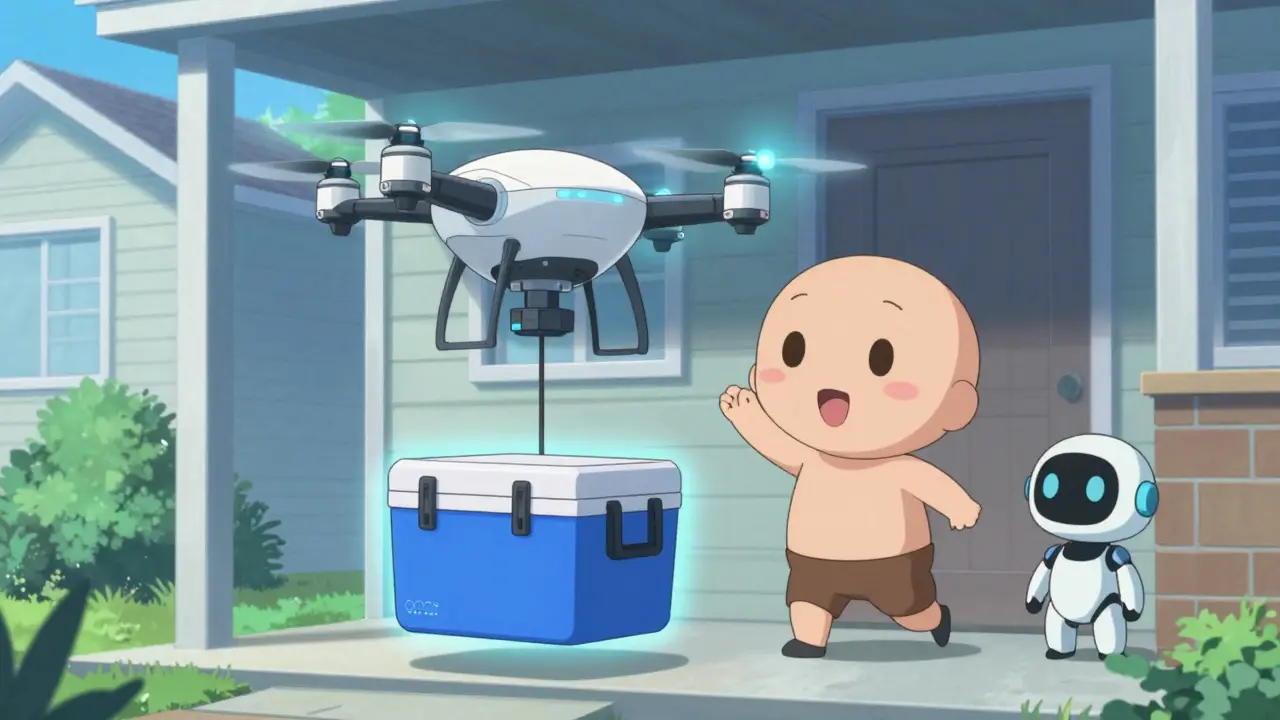
Regarding the physical product, temperature-sensitive medications are shipped in specialized packaging with cooling elements to maintain proper storage conditions throughout transit. If a package does get damaged in transit-which happens in roughly 1.2% of shipments-the provider's customer service is trained to send a replacement immediately. Most companies also offer tracking so you know exactly when the box is coming. Some even require a signature upon delivery, ensuring no one else grabs your medicine.
The Future of Home Delivery
This space is evolving fast. Recent developments show that major insurers are expanding coverage to include more specialty medications. The technology side is also catching up. Some providers are now using AI-powered adherence monitoring systems that predict potential gaps in therapy. One insurer reported a 17% reduction in medication lapses just by using this predictive data.
We are also seeing increased integration with telehealth services. Around 63% of mail-order pharmacies now offer bundled telehealth-prescription services, meaning you can see a doctor and get the prescription sent in the same workflow. For rural residents or those with limited mobility, pilots are even testing same-day drone delivery in certain regions.
Pitfalls to Avoid
Despite the benefits, there are traps. The biggest one is losing track of your local pharmacist. Even if you use mail-order for routine drugs, keep a relationship with a local community pharmacist for counselling. They can check interactions with over-the-counter vitamins or new prescriptions that the central warehouse might not catch quickly.
Don't forget that delivery isn't instant. Never wait until you are completely out of pills to click that button. Finally, be aware of synchronizing refills. If you take five different drugs, try to request delivery be synchronized so that all are delivered on the same day. About 68% of mail-service pharmacies accommodate this, helping you sort one big box instead of ten small ones.
Is mail-order pharmacy covered by insurance?
Most major health insurance plans include coverage for mail-order services, often with preferred copay tiers that are cheaper than retail rates. However, you should verify this with your specific plan administrator, as exclusions may apply for certain medication classes.
Can I get controlled substances via mail?
Generally, no. Most regulations prohibit mailing controlled substances like strong opioids. These must be picked up at a licensed brick-and-mortar pharmacy to ensure compliance with legal safety standards.
How fast is delivery?
Standard delivery typically takes 3-5 business days after processing. Some premium services offer next-day delivery for urgent needs, though this depends on your location and the carrier used.
Does mail-order help with memory issues?
Yes, significantly. Receiving a 90-day supply reduces the frequency of refills from monthly to quarterly, lowering the chance of running out due to forgetting. Many services also provide blister packs or calendar-style sorting.
What happens if my dosage changes?
If your doctor adjusts your dose, you will likely need to switch back to a standard 30-day supply temporarily at a local pharmacy until the new dosage stabilizes. Once stable, you can return to the 90-day mail service.


Sharon Munger
April 2, 2026 AT 14:27using the delivery system saves time on commutes and avoids rain issues completely it really helps those with mobility limits too and we should encourage everyone to try it
Victor Ortiz
April 3, 2026 AT 20:42The statistics cited fail to mention insurance network exclusions that apply to most generic formularies under current federal regulations
Read the fine print first
Cara Duncan
April 4, 2026 AT 21:41Yes!! This works great for busy moms!! 📦💊✨👩⚕️💖🏥🙌
Arun Kumar
April 6, 2026 AT 01:23Welcome to the community everyone we should support each other in staying healthy and keeping our meds on track
Stay safe
Molly O'Donnell
April 7, 2026 AT 12:12Ignore the shipping delays mentioned in paragraph three.
Christopher Beeson
April 7, 2026 AT 20:28We stand on the precipice of healthcare efficiency yet ignore the human cost of depersonalized medicine entirely.
It is tragic really
Rod Farren
April 9, 2026 AT 12:27From a logistical standpoint the inventory management systems utilize FIFO protocols to ensure freshness. Pharmacists verify credentials through secure gateways before dispensing occurs. Temperature control logs are recorded every hour during transit. Electronic health records sync directly to ensure no contraindications arise unexpectedly. Automation reduces variance in pill counts significantly compared to manual counting. Patient portals provide real-time tracking updates via API integration with carrier networks. Copay accumulation strategies are optimized for annual benefit resets. Inventory turnover rates improve when supply chains are centralized rather than fragmented across retail locations. Risk mitigation plans account for weather delays during peak seasons. Regulatory compliance checks happen prior to shipment authorization. Insurance adjudication processes streamline verification steps considerably. Therapeutic interchange protocols allow pharmacists to suggest generics safely. Delivery windows are managed through geofencing technology. Signature requirements prevent unauthorized access attempts. Packaging materials are tested for impact resistance standards. Quality assurance audits occur quarterly to maintain accreditation status.
Jenny Gardner
April 10, 2026 AT 12:25This information is fantastic!!!!! Everyone should read it!!!!! Safety is key!!!!!
Rocky Pabillore
April 11, 2026 AT 12:11Those who rely on this service often overlook the loss of local pharmacist counseling interactions which are vital
Cost effective perhaps but not optimal
Cullen Zelenka
April 12, 2026 AT 13:48You can find workarounds for almost anything if you look hard enough and stay positive about the outcome!
Smile big!
Russel Sarong
April 14, 2026 AT 12:11I really appreciate the detailed breakdown here!!! It is truly helpful!!! Thank you so much!!!