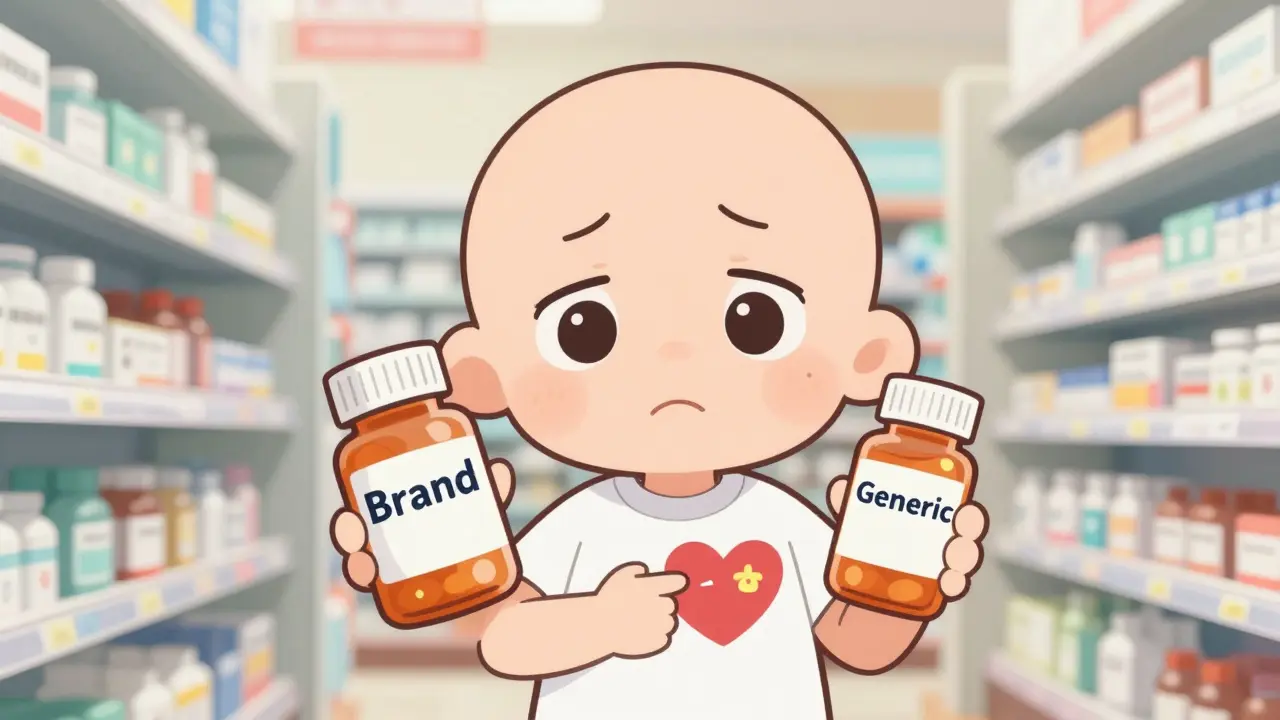
Have you ever wondered why a patient might stick with an expensive brand-name drug when a cheaper generic sits right there on the shelf? Traditional economic theory says people act rationally. If Drug A costs $50 and Drug B costs $10, and they do the same job, everyone should pick Drug B. But that’s not what happens in real life. In clinics and pharmacies across the UK and beyond, patients often ignore price tags. They choose based on fear, trust, habit, or how a doctor framed the option. This is where behavioral economics comes in.
Behavioral economics blends psychology with economics to explain how we actually make decisions. It shows us that humans are predictable in their irrationality. When it comes to health, these quirks matter. A wrong choice isn’t just about spending more money; it can mean worse health outcomes. Understanding these mental shortcuts helps doctors, policymakers, and even patients make better sense of drug choices.
The Hidden Biases Behind Your Medicine Cabinet
We don’t calculate risks like computers. We use mental shortcuts, called heuristics, to navigate complex choices quickly. In healthcare, these shortcuts often lead us astray. Let’s look at the big ones.
Loss aversion is huge here. People hate losing things more than they like gaining them. Imagine you’ve been taking a statin for five years. You feel fine. Now your doctor suggests switching to a different one because it’s covered by insurance. Even if the new one is identical, you might refuse. Why? Because you’re afraid of “losing” the stability you currently have. Research shows that only about half of patients take medications exactly as prescribed, largely due to this fear of change.
Then there’s confirmation bias. If you believe expensive drugs are better, you’ll seek out information that proves it. You might read a forum post saying the generic didn’t work for someone else and ignore ten studies showing it does. This bias drives many patients to pay out-of-pocket for brands, convinced they are getting superior care, even when evidence says otherwise.
Present bias makes us favor immediate comfort over long-term health. Taking a pill every day feels like a hassle now. The benefit-avoiding a heart attack in ten years-feels distant. So, we skip doses. Studies show that present bias accounts for a third of unfilled prescriptions. We want relief today, not prevention tomorrow.
These aren’t moral failures. They’re human wiring. Recognizing them is the first step to fixing them.
Nudges Over Lectures: Changing Behavior That Works
If lectures and brochures worked perfectly, we wouldn’t need behavioral economics. But traditional education only boosts adherence by 5-8%. That’s decent, but not great. Behavioral interventions, however, offer a sharper tool. They don’t tell you what to think; they change the environment so the right choice becomes the easy choice.
Consider defaults. In hospital systems, changing the standard order set to feature a specific alternative drug during shortages increased appropriate substitutions by nearly 38%. Doctors are busy. They often go with the default option. By making the cost-effective or safer drug the default, systems steer behavior without forcing anyone’s hand.
Framing matters too. How you say something changes how it’s heard. In vaccination campaigns, telling people a vaccine is “95% effective” works far better than saying it has a “5% failure rate.” The math is identical, but the first frame highlights gain, while the second highlights loss. For chronic conditions, framing reminders as “Don’t lose your streak!” leverages loss aversion to keep patients engaged. One study found this simple tweak improved adherence by nearly 20% compared to neutral messages like “Take your medicine.”
Social norms also play a role. People look to others to decide what’s normal. In HIV clinics, displaying posters that showed high adherence rates among peers improved individual adherence by over 22%. It signaled that sticking to the plan was the community standard, reducing the feeling of isolation some patients feel.
| Intervention Type | Mechanism | Average Impact on Adherence | Best Use Case |
|---|---|---|---|
| Traditional Education | Information provision | 5-8% | New diagnosis explanation |
| Defaults | Choice architecture | ~29% | Prescribing systems, formulary design |
| Loss Aversion (Rebates/Streaks) | Psychological incentive | ~14-20% | Chronic condition maintenance |
| Social Norms | Peer comparison | ~21% | Community health programs |

Why Some Patients Resist All Nudges
Not everyone responds to nudges equally. Behavioral economics isn’t a magic wand. It struggles in certain contexts. For instance, if a patient has severe depression or anxiety, the effectiveness of these interventions drops by over 30%. Mental health comorbidities cloud judgment and reduce motivation, making simple friction-reduction tactics less useful.
Polypharmacy is another hurdle. When patients take multiple drugs, adherence plummets. Each additional medication reduces adherence by about 8%. The cognitive load becomes too heavy. No amount of framing can fix a regimen that requires remembering six different pills at six different times. Here, the solution isn’t just a nudge; it’s simplifying the regimen itself.
Also, consider asymptomatic conditions. If you don’t feel sick, why take a pill? Adherence for conditions like high blood pressure or high cholesterol is significantly lower than for symptomatic issues like asthma or pain. Without immediate feedback, the brain discounts the value of the medication. This is where tangible incentives, like rebates for staying adherent, help bridge the gap between action and reward.

The Real Cost of Ignoring Human Nature
The stakes are high. Non-adherence costs the U.S. healthcare system hundreds of billions annually and contributes to over 100,000 avoidable deaths each year. In the UK, similar burdens strain the NHS. These aren’t just numbers; they represent missed opportunities to save lives through better understanding of human behavior.
Pharmaceutical companies are taking note. The market for behavioral insights in healthcare is growing fast. Companies that integrate these principles into patient support programs see higher persistency rates and lower discontinuation. It’s not just about ethics; it’s about sustainability. When patients stay on their meds, outcomes improve, and costs drop for everyone.
Regulators are catching up too. Agencies like the FDA are now asking drug developers to consider “treatment burden” using behavioral frameworks. How many times a day must a patient take this? Is the route of administration invasive? These questions shape whether a drug will actually be used once it leaves the lab.
Looking Ahead: Smarter, Personalized Nudges
The future of behavioral economics in pharma is digital and personalized. We’re moving away from one-size-fits-all nudges. Machine learning algorithms are being trained to predict which type of intervention works best for which patient. Does John respond better to social pressure? Does Mary need financial incentives? Early pilots suggest this personalization could boost effectiveness by over 40%.
Digital therapeutics are rising. Apps that provide real-time feedback, smart pill bottles that track usage, and SMS reminders tailored to individual triggers are becoming common. While these tech solutions cost more upfront, they offer continuous engagement that static pamphlets never could.
As we move forward, the goal isn’t to manipulate patients. It’s to remove the invisible barriers that stand between them and their health. By designing systems that respect how our brains actually work, we can create a healthcare experience that feels easier, more supportive, and ultimately, more effective.
What is behavioral economics in the context of patient drug choices?
Behavioral economics applies psychological insights to economic models to understand why patients make non-rational decisions about medications. It explains how factors like fear, habit, and cognitive biases influence choices more than price or clinical data alone.
How does loss aversion affect medication adherence?
Loss aversion causes patients to fear losing current benefits or stability more than they desire potential gains. This makes them reluctant to switch to cheaper alternatives or start new regimens, even when clinically advised, leading to lower adherence rates.
Are behavioral nudges more effective than traditional patient education?
Yes. While traditional education improves adherence by 5-8%, behavioral interventions like defaults, framing, and social norms can improve outcomes by 15-30%. They work by changing the environment to make healthy choices easier rather than just providing information.
Why do patients often prefer expensive brand-name drugs over generics?
Patients often suffer from confirmation bias, believing higher prices indicate higher quality or safety. They may also fear the unknown risks of a new, unfamiliar generic drug, prioritizing perceived security over cost savings.
What are the biggest barriers to implementing behavioral economics in healthcare?
Key barriers include polypharmacy (complex regimens), mental health comorbidities that reduce responsiveness to nudges, and integration challenges with existing electronic health records. Additionally, maintaining the effect of interventions beyond six months remains difficult.