Medication Driving Safety Checker
Check Your Medication Safety
This tool helps you determine if your medications may impair your ability to drive safely based on research from the article.
Your Driving Safety Assessment
Key Impairment Effects
Recommended Waiting Time
Important Safety Note
Even if you feel fine, your reaction time may be slower than normal. Never drive if you experience drowsiness, dizziness, or blurred vision.
Remember: You don't need to be drunk to be unsafe. Some states treat prescription drug impairment the same as DUI.
What You Should Do
- Read medication labels for "may cause drowsiness" warnings
- Ask your pharmacist: "Will this affect my ability to drive?"
- Wait at least 6-12 hours before driving after taking sedating medications
- Test yourself with the University of Iowa driving simulator
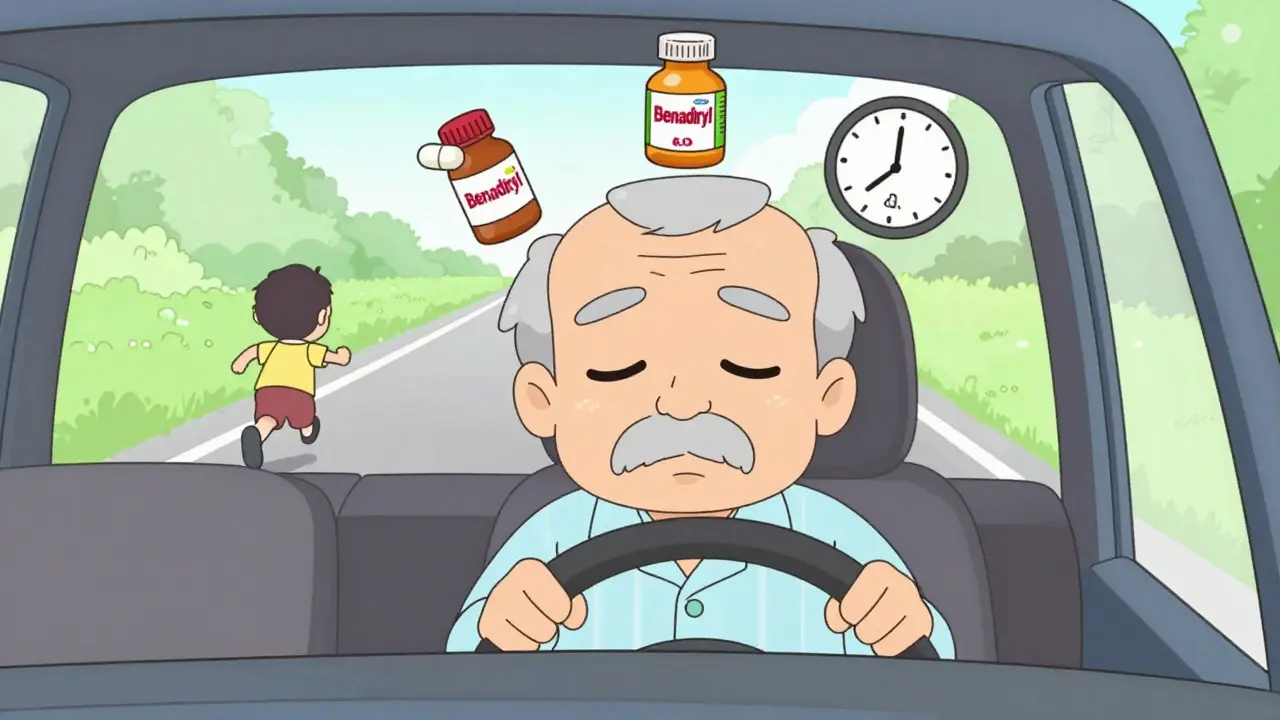
Driving while on medication is more dangerous than most people realize. You might think that if you feel fine, you’re safe to get behind the wheel. But feeling fine doesn’t mean your body is functioning well enough to react quickly, stay in your lane, or stop suddenly. Many common medications - even those you can buy over the counter - can slow your reactions, blur your vision, or make you drowsy without you even noticing. And if you’re over 65, the risk is even higher because your body processes drugs differently as you age.
What Medications Actually Impair Driving?
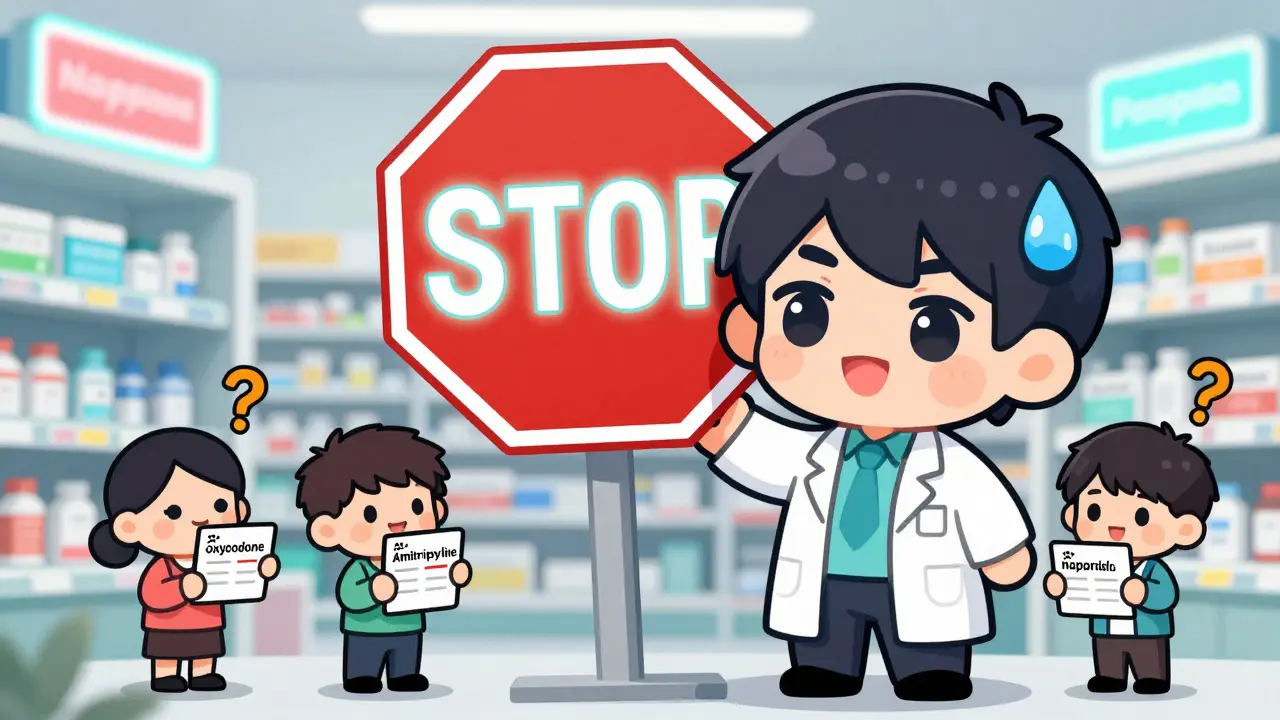
It’s not just opioids or sedatives. The list is longer than you think. Benzodiazepines like diazepam and alprazolam - often prescribed for anxiety - can slow brain processing by 25% to 40%. That means if you’re driving at 60 mph, your reaction time drops enough to add the length of a school bus to your stopping distance. Opioids like oxycodone and fentanyl don’t just hurt pain - they make your eyelids heavy, shrink your pupils, and delay your response by up to 300 milliseconds. That’s enough to miss a child stepping into the road.
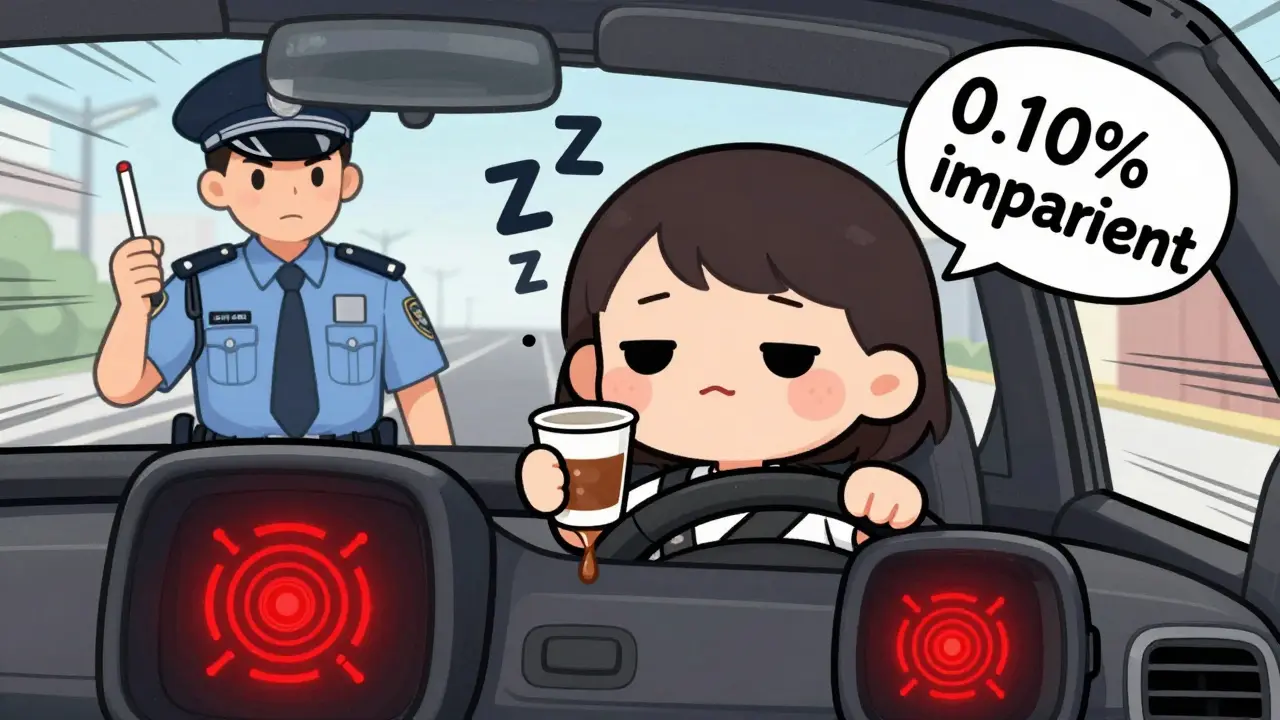
Even painkillers you take without a prescription can be risky. Ibuprofen and naproxen, two of the most common NSAIDs, are linked to a 58% higher crash risk. That’s not a typo. You don’t need to be high to be dangerous. And then there are the cold and allergy meds. Diphenhydramine, the active ingredient in Benadryl and Tylenol PM, impairs driving just like a blood alcohol level of 0.10% - higher than the legal limit of 0.08% in every U.S. state.
Antidepressants, especially older ones like amitriptyline and mirtazapine, also raise the risk. Studies show people taking these drugs have a 40% higher chance of being in a crash. And it’s not just the drugs themselves - it’s how they mix. Taking a sleeping pill with an anxiety med, or an opioid with an antihistamine, multiplies the danger. One drug might make you drowsy. Two might make you unable to stay awake at all.
Why You Think You’re Fine (But You’re Not)
Most people who drive after taking these meds don’t feel drunk. They just feel normal. That’s the trick. The body adapts. You stop noticing the fog. You think, “I took it last night, I’m fine now.” But research shows that drugs like zolpidem (Ambien) can still impair driving up to 11 hours after you take them. If you took it at 11 p.m. and drove at 8 a.m., you’re still at risk.
A 2022 AAA Foundation study found that 70% of drivers who took three or more potentially impairing medications drove within two hours of taking them. Why? Because the labels say “may cause drowsiness.” That’s it. No timing. No warning about how long it lasts. No mention of how it affects reaction time. And doctors? Only 41% of physicians routinely talk about driving risks when prescribing these drugs. Pharmacists are better - 89% now warn patients - but if you didn’t ask, you probably didn’t hear it.
Real stories prove how dangerous this is. One Reddit user, u/SafeDriver2023, took Tylenol PM before bed. Slept 8 hours. Felt fine. Drove to work at 9 a.m. Failed a field sobriety test. The diphenhydramine was still in his system. He didn’t feel impaired. But his brain was still slow. His reflexes were off. His body hadn’t cleared it yet.
Legal Consequences Are Real - And Harsh
In the U.S., every state now treats driving under the influence of prescription drugs the same as driving drunk. You don’t need to be high. You don’t need to be caught with alcohol. If a drug is in your system and it’s impairing your ability to drive - you can be arrested. In some states, like California and Arizona, any detectable amount of a controlled substance in your blood is enough for a DUI charge, even if it was prescribed.
And it’s getting worse. In 2023, NHTSA expanded its Drug Evaluation and Classification Program to 47 states. That means police are trained to spot signs of drug impairment - droopy eyelids, slow pupil response, poor balance - even without a breathalyzer. And now, saliva tests are being rolled out to detect 12 common prescription drugs on the roadside. These tests are 92.7% accurate in trials. If you’re driving on medication and get pulled over, you’re not just risking a ticket. You’re risking jail time, license suspension, and a criminal record.
Only 28 states have specific legal limits for prescription drugs - unlike alcohol, where 0.08% is universal. That means in most places, it’s up to the officer’s judgment. And if you’re involved in a crash? Your medication becomes evidence. Insurance companies will deny claims. Prosecutors will use your prescription history against you. You don’t need to be drunk to lose your freedom.
Who’s Most at Risk?
If you’re over 65, you’re at higher risk. Your liver and kidneys don’t clear drugs as fast. Your brain becomes more sensitive. A dose that was fine at 50 might be dangerous at 70. The American Geriatrics Society’s Beers Criteria lists over 30 medications that should be avoided in older adults because they increase fall and crash risk. That includes many sleep aids, antihistamines, and anti-anxiety drugs.
People taking multiple medications are also at risk. The average American over 65 takes four prescription drugs. Add over-the-counter meds, supplements, and alcohol - and you’re stacking dangers. A 2020 study found that 22% of drivers in trauma centers had multiple drugs in their system. The effects weren’t just added together - they multiplied. One drug slowed reaction time. Another dulled awareness. A third made you drowsy. Together, they turned a routine drive into a deadly gamble.
What You Can Do to Stay Safe
Don’t guess. Don’t assume. Test yourself.
- Read the label. Look for words like “may cause drowsiness,” “use caution when operating machinery,” or “avoid alcohol.” Those aren’t suggestions - they’re warnings.
- Ask your pharmacist: “Will this affect my ability to drive?” Don’t wait for them to tell you. Ask.
- Wait. If you take a first-generation antihistamine like diphenhydramine, wait at least 6 hours. For sleep meds like zolpidem, wait 8 to 12 hours.
- Use a self-check. Before driving, ask: Do my eyes feel heavy? Is my thinking slow? Do I feel unusually tired or foggy? If yes, don’t drive.
- Use a driving simulator. The University of Iowa developed a simple test: complete 15 driving maneuvers in a simulator. If you make more than 1.5 lane deviations, you’re not fit to drive.
- Keep a list. Write down every medication you take - including supplements and OTC drugs. Bring it to every doctor visit. Ask: “Is this safe for driving?”
And if you’re a caregiver? Don’t let someone you love get behind the wheel on these meds. Watch for signs. Talk to them. It’s not being controlling - it’s being responsible.
The Future Is Here - But It Won’t Save You
Car companies are working on solutions. By 2027, 85% of new vehicles will have biometric sensors that track eye movement, steering patterns, and blink rate to detect impairment. But that’s not a license to drive while medicated. These systems are still being tested. They can’t catch every case. And they won’t stop you from getting pulled over or arrested.
The real solution is awareness. The FDA now requires “Driving Risk Scores” on medication labels - rating impairment from 1 (low) to 5 (high). But most people don’t know these exist. You have to look for them. And even then, the scores don’t account for how you personally react. Only you can know if you’re safe to drive.
Every year, 18% of traffic deaths are linked to drug impairment - second only to alcohol. That’s tens of thousands of lives. Most of them preventable. You don’t need to be an addict. You don’t need to be reckless. You just need to take one pill - and forget it can change how your body works.
Driving isn’t just about skill. It’s about chemistry. And if your chemistry is off, you’re not just risking your life. You’re risking everyone else’s too.
Can I drive after taking ibuprofen or naproxen?
While most people think NSAIDs like ibuprofen or naproxen are safe, research shows they increase crash risk by 58%. The risk is higher in older adults and when taken with other medications. If you feel drowsy, dizzy, or have blurred vision after taking them, don’t drive. Even if you feel fine, your reaction time may still be slower than normal.
Is it illegal to drive while on prescription medication?
Yes. In all 50 U.S. states, driving while impaired by any drug - including prescription or over-the-counter meds - is illegal. You don’t need to be high or drunk. If the drug affects your ability to drive safely, you can be charged with DUI. Some states have zero-tolerance laws for certain medications, even if taken as prescribed.
How long after taking Benadryl can I drive?
Benadryl (diphenhydramine) can impair driving for up to 8 hours, even if you feel awake. Studies show its effects are equal to a 0.10% blood alcohol level - above the legal limit. Wait at least 6 to 8 hours after taking it before driving. Never assume you’re fine just because you slept.
Can I drive after taking sleeping pills like Ambien?
No. Ambien (zolpidem) can impair driving for up to 11 hours after ingestion. Many people wake up feeling fine, but their reaction time and coordination are still reduced. The FDA recommends waiting 8 to 12 hours before driving. Never drive the morning after taking a sleep aid unless you’ve tested your abilities in a safe environment.
Do doctors always warn patients about driving risks?
No. Only 41% of physicians routinely discuss driving risks when prescribing medications that can impair driving. Many patients don’t get any warning at all. Always ask your doctor or pharmacist: “Will this affect my ability to drive?” Don’t rely on them to bring it up.
What should I do if I’m taking multiple medications?
Take a full list of all your medications - including supplements and OTC drugs - to your pharmacist or doctor. Ask them to check for interactions that could impair driving. Combining even two medications can multiply the risk. Never assume the combination is safe just because each one is prescribed.
Are there tests I can do at home to check if I’m fit to drive?
Yes. The University of Iowa developed a simple driving simulator test that checks for lane deviations and reaction time. You can also do a self-check: if your eyes feel heavy, your thoughts are slow, or you’re unusually tired, don’t drive. If you’ve taken a sedating medication, wait at least 6-12 hours and test yourself in a parked car first - see if you can focus, track movement, and respond quickly.





Natasha Sandra
December 26, 2025 AT 04:14Sophia Daniels
December 26, 2025 AT 05:53Steven Destiny
December 28, 2025 AT 02:09Rajni Jain
December 28, 2025 AT 19:25Erwin Asilom
December 30, 2025 AT 12:51Brittany Fuhs
January 1, 2026 AT 05:24Peter sullen
January 2, 2026 AT 12:03Fabio Raphael
January 3, 2026 AT 22:54Amy Lesleighter (Wales)
January 4, 2026 AT 07:37sakshi nagpal
January 6, 2026 AT 06:35