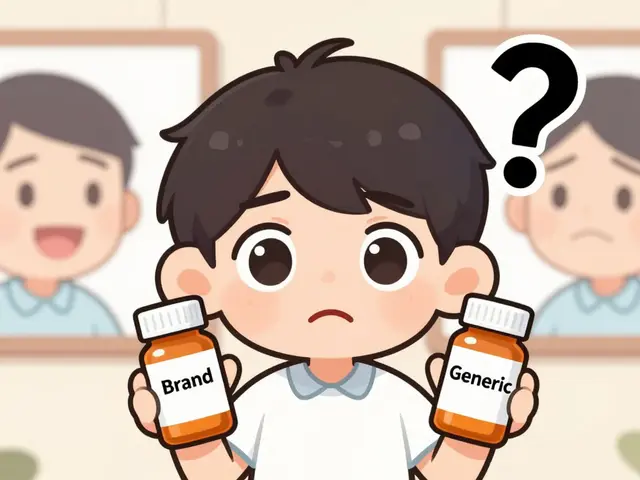
Imagine paying $68 for a pill when you could get the exact same medicine for $12. That is the reality for millions of Americans every month. The debate between generic drugs and brand-name drugs often feels confusing, but the core truth is simple: they work the same way in your body. If you are wondering whether to switch to the cheaper option or stick with the familiar box, this guide breaks down exactly what makes them different, how the FDA ensures quality, and when it actually matters which one you pick.
The Core Difference: It's About Cost, Not Chemistry
At their heart, generic and brand-name medications contain the same active ingredient. This means the part of the drug that actually treats your condition is identical. The main reason generics exist is to lower healthcare costs. When a pharmaceutical company creates a new drug, they spend billions on research and development. To recoup these costs, they hold a patent that prevents others from selling copies for about 20 years. Once that patent expires, other manufacturers can step in. They don't need to run expensive clinical trials; they just need to prove their version works just as well as the original. This process saves money, which is passed directly to you.
According to recent data, generic drugs account for roughly 90% of all prescriptions filled in the U.S., yet they make up only about 25% of total prescription spending. Why such a huge gap? Because they are significantly cheaper. On average, generics cost 80% to 85% less than their brand-name counterparts. For someone managing a chronic condition like high blood pressure or diabetes, this difference adds up to thousands of dollars over a lifetime. It’s not magic; it’s just basic economics applied to medicine.
How the FDA Ensures Quality and Safety
You might wonder if "cheaper" means "lower quality." In the world of pharmaceuticals, that isn't true. The U.S. Food and Drug Administration holds both types of drugs to the same rigorous standards. Before a generic drug hits the shelves, it must go through a specific approval pathway established by the Hatch-Waxman Act in 1984. This law created the modern system we use today to balance innovation with affordability.
The key concept here is bioequivalence. Simply put, this proves that the generic drug delivers the same amount of active ingredient into your bloodstream at the same speed as the brand-name drug. If the levels in your blood match within a specific range (usually 80% to 125%), the FDA considers them therapeutically equivalent. You don't have to worry about getting a weaker dose. The safety profile, strength, purity, and intended use must all align perfectly with the reference listed drug. So, when your pharmacist hands you a white pill instead of the blue one, rest assured it has been vetted by the same regulatory body.

Visible Differences: What Looks Different?
If the chemistry is the same, why do the pills look so different? This comes down to trademark laws. Generic manufacturers are not allowed to make their product look exactly like the brand-name version. So, you will notice differences in color, shape, size, and packaging. A brand-name pill might be red and round, while its generic counterpart is white and oval. These visual cues help you distinguish between products, but they have no impact on how the drug works inside your body.
Inactive ingredients, known as excipients, can also vary. These are the fillers, binders, and coatings that help the tablet hold together or dissolve properly. While the active ingredient remains constant, the inactive ones might differ slightly due to availability or manufacturing preferences. For most people, this doesn't matter. However, if you have a specific allergy to a dye or an intolerance to a certain filler, it’s worth checking the label. But for the vast majority of patients, these cosmetic and minor chemical variations do not affect therapeutic outcomes.
| Feature | Brand-Name Drug | Generic Drug |
|---|---|---|
| Active Ingredient | Original formulation | Identical to brand-name |
| Cost | High (recoups R&D costs) | Low (80-85% less expensive) |
| Appearance | Unique color/shape | Different color/shape |
| FDA Approval | Full clinical trials required | Bioequivalence study required |
| Market Share | ~10% of prescriptions | ~90% of prescriptions |
When Does It Matter Which One You Take?
For most conditions, the choice between generic and brand-name is purely financial. If you are taking medication for asthma, cholesterol, or anxiety, switching to the generic version is generally safe and smart. However, there is one exception to watch out for: narrow therapeutic index drugs. These are medications where small changes in blood concentration can lead to serious side effects or treatment failure. Common examples include warfarin (a blood thinner) and levothyroxine (for thyroid issues).
With these specific drugs, consistency is key. Some doctors prefer patients to stick with either the brand or the generic, rather than switching back and forth frequently. The FDA recognizes this nuance and requires tighter bioequivalence ranges for these narrow therapeutic index drugs. Still, studies involving tens of thousands of patients have shown that even with these sensitive medications, generics perform just as well as brands. If you are on one of these critical meds, just ask your doctor if they have a preference. Otherwise, trust the science.

Real-World Savings and Patient Experiences
Let’s talk numbers. A 2022 analysis found that the average savings per prescription when using generics is around $313. Over a year, that’s a significant chunk of change. For families managing multiple prescriptions, the relief is tangible. Many users report zero difference in effectiveness. In online pharmacy communities, the majority of patients who switched from brand to generic reported no change in how they felt. One common story involves asthma inhalers; switching from a premium brand to a generic fluticasone/salmeterol combination saved hundreds of dollars monthly without affecting lung function control.
That said, individual experiences vary. A small percentage of patients report feeling "off" after a switch. This could be due to the placebo effect, anxiety about the change, or rare sensitivity to inactive ingredients. If you feel something is wrong after switching, don’t ignore it. Talk to your pharmacist or doctor. They can check your levels or suggest trying a different manufacturer’s generic version. But statistically, you are far more likely to experience smooth sailing and a lighter wallet.
Navigating Your Prescription: Practical Tips
Understanding the landscape helps you make better decisions. Here are some practical steps to keep in mind:
- Know your state's laws: In most U.S. states, pharmacists are legally required to substitute a generic for a brand-name drug unless your doctor writes "dispense as written" on the prescription. This automatic substitution is designed to save you money by default.
- Keep a medication list: Write down both the brand and generic names of your current meds. This helps avoid confusion if you visit a different pharmacy or if a drug goes out of stock.
- Ask about biosimilars: If you take biologic drugs (often used for autoimmune diseases), look for biosimilars. These are the generic equivalents of biologics and follow a similar approval path, offering substantial savings.
- Check for shortages: Sometimes, a specific generic manufacturer faces supply issues. If your usual pharmacy runs out, ask if another approved generic brand is available. They should still be therapeutically equivalent.
By staying informed, you turn a potentially confusing medical decision into a straightforward financial win. The science is solid, the regulations are strict, and the savings are real. Whether you choose the name-brand for familiarity or the generic for value, you are getting the same core medicine that keeps you healthy.
Are generic drugs really as effective as brand-name drugs?
Yes. The FDA requires generic drugs to demonstrate bioequivalence, meaning they deliver the same active ingredient to your body at the same rate as the brand-name drug. For the vast majority of patients, the therapeutic outcome is identical.
Why do generic pills look different from brand-name pills?
Trademark laws prevent generic manufacturers from making their product look exactly like the brand-name version. Therefore, colors, shapes, and sizes often differ, but these are cosmetic changes that do not affect efficacy.
Can my pharmacist switch my prescription to a generic without asking me?
In most states, yes. Pharmacists are authorized to substitute generics for brand-name drugs automatically unless the prescriber specifies otherwise. This practice is standard to ensure patients receive the most cost-effective option.
What is a narrow therapeutic index drug?
These are medications where small variations in blood levels can cause significant health risks or treatment failure. Examples include warfarin and levothyroxine. Doctors may recommend sticking to one specific manufacturer for these drugs to maintain consistency.
Do generic drugs have fewer quality checks than brand-name drugs?
No. Both must meet the same FDA standards for safety, strength, purity, and quality. Generics undergo rigorous testing to prove bioequivalence, ensuring they perform identically to the reference brand-name drug.