What Exactly Is an Authorized Generic?
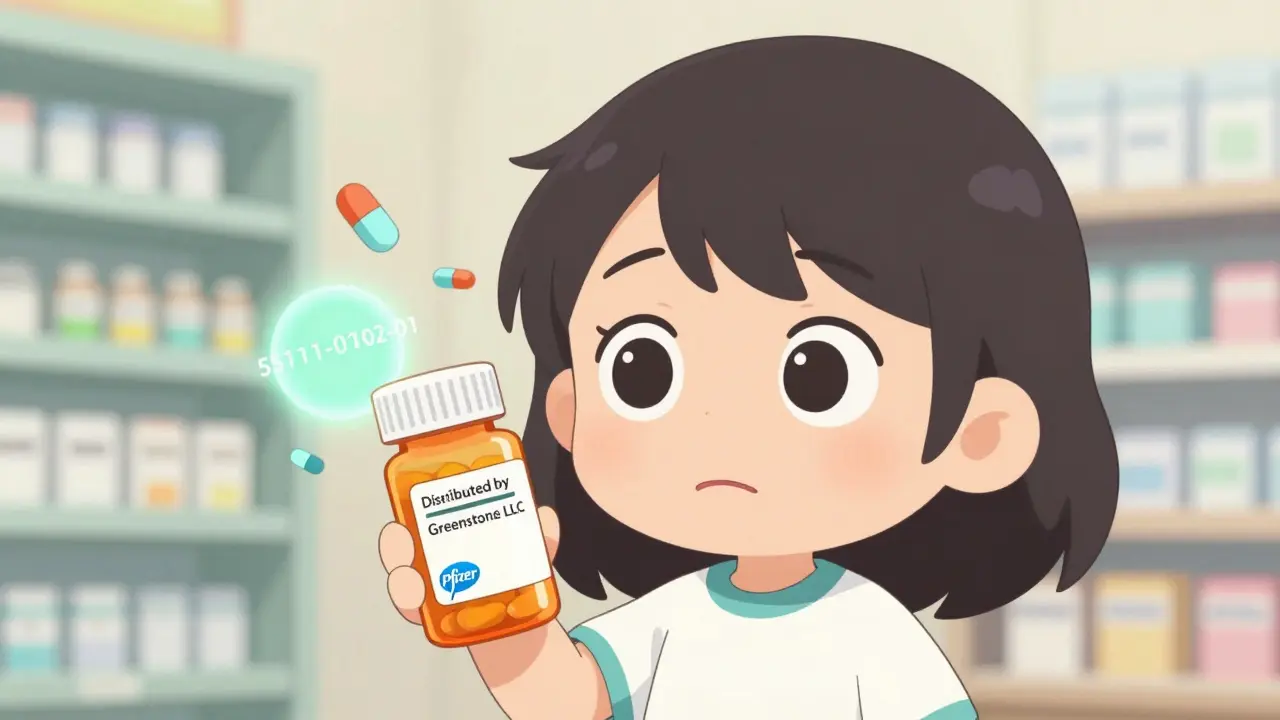
An authorized generic isn’t just another cheap version of a brand-name drug. It’s the exact same pill, capsule, or liquid - made in the same factory, with the same ingredients, by the same company that makes the brand version. The only differences? The box, the label, and the name on it. You won’t find the brand’s logo or trademarked name. Instead, you’ll see a different company listed as the distributor - often a subsidiary or partner of the original brand.
This isn’t a loophole. It’s written into U.S. drug law under the Medicare Prescription Drug, Improvement, and Modernization Act of 2003. The FDA allows brand manufacturers to sell an identical version of their drug under a different label to compete during the first 180 days after a patent expires - when the first generic company gets exclusive rights to sell its version. That’s why authorized generics exist: to keep prices down and give patients more options, even before the first generic hits the market.
How to Spot an Authorized Generic by the Label
Start by looking at the label. If the drug’s name is missing - no “Lipitor,” no “Lyrica,” no “Prozac” - but the pill looks exactly like the brand version, you’re likely holding an authorized generic. The FDA requires these products to list the manufacturer’s name, but it can’t use the brand’s trademarked name. So instead of “Pfizer,” you might see “Greenstone LLC.” Instead of “AstraZeneca,” you’ll see “AstraZeneca Pharmaceuticals LP.”
There’s also a key phrase you’ll often find: “Distributed by [Company Name].” That’s not just marketing language. It’s a legal requirement. Authorized generics are distributed under the original brand’s approval (NDA), not the generic pathway (ANDA). That means they don’t need to prove bioequivalence - because they’re not different. They’re the same drug, just repackaged.
The NDC Code: Your Best Tool for Confirmation
The National Drug Code (NDC) is your most reliable clue. Every drug package has a unique 10- or 11-digit number. It’s broken into three parts: labeler code, product code, and package code.
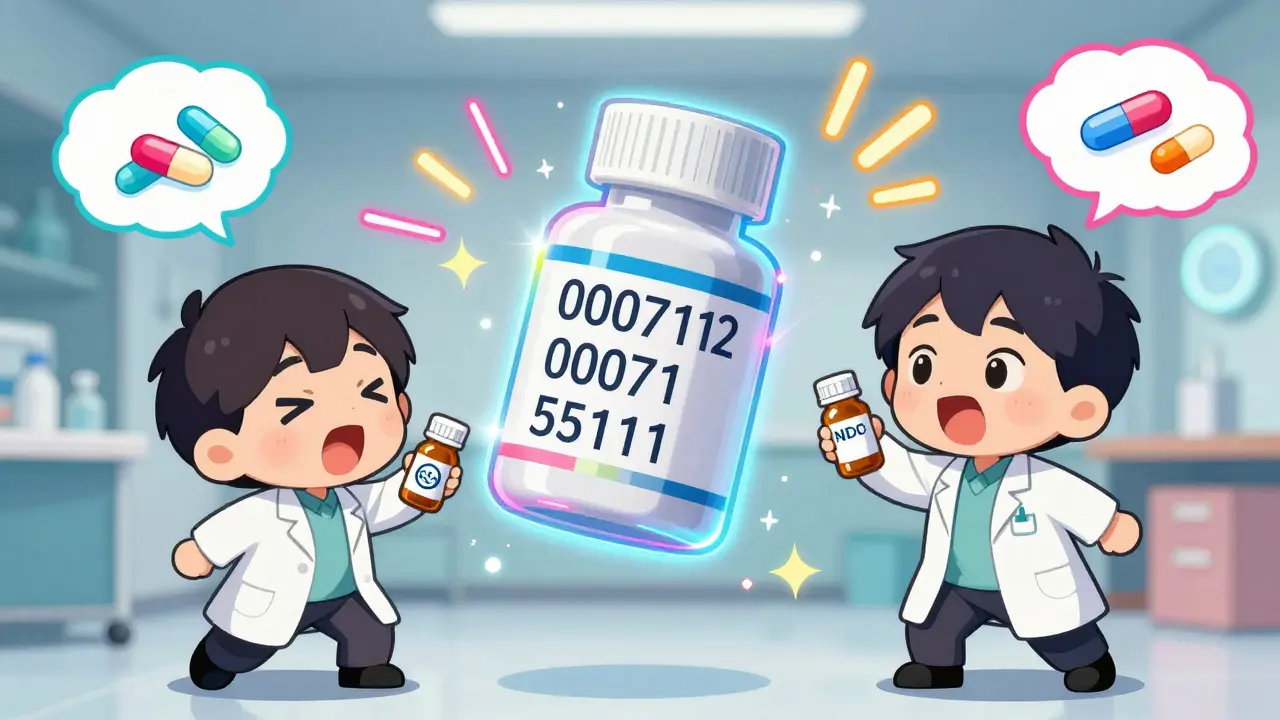
Here’s the trick: for an authorized generic, the labeler code changes - it’s now the distributor’s code, not the brand’s. But the product code and package code stay exactly the same as the brand version.
For example, the brand version of Protonix (pantoprazole) has an NDC of 00071-0102-01. The authorized generic? It’s 55111-0102-01. Same product, same package size. Only the first part changed. That’s your signal. If all three parts are different, you’re looking at a traditional generic.
The FDA updates its official list of authorized generics quarterly. The most recent update, as of October 2, 2023, lists 147 active products. You can search it by drug name or NDC to confirm what you’re seeing.
Why Authorized Generics Look Different From Traditional Generics
Traditional generics must follow strict rules: they can’t look identical to the brand drug. U.S. trademark laws say generic pills can’t have the same color, shape, or imprint as the brand. That’s why you’ll see different-colored pills for generic versions of drugs like Adderall or Zoloft.
Authorized generics don’t have to follow that rule. They’re made under the brand’s approval, so they can look exactly the same. That’s why patients often say, “This looks just like my old prescription.” That’s not a mistake - it’s by design.
But here’s the catch: some authorized generics still change the pill’s appearance. Why? Because the brand manufacturer might want to avoid confusion in the pharmacy or because the distributor wants to make it clear this isn’t the brand. So don’t rely only on pill appearance. Always check the label and NDC.
Common Mistakes Pharmacists and Patients Make
A 2022 survey by the National Community Pharmacists Association found that 63% of pharmacists took over two minutes to verify whether a drug was an authorized generic. Why? Because packaging is confusing. Many think if the label says “generic,” it’s not authorized. But authorized generics often say “generic” too.
Another common error? Mistaking the labeler code change for a counterfeit. One in five pharmacists reported being worried they’d been handed fake medicine when they saw a different company name on the label. That’s not rare - it’s normal. The FDA’s own data shows 43% of labeling errors in generic submissions involve misidentifying authorized generics.
Patients, too, get confused. A Medscape survey found that 35% of patients questioned whether the drug was “real” because the manufacturer name changed. But the active ingredient? Identical. The clinical effect? Identical. The only difference is who’s on the box.
How to Verify an Authorized Generic - Step by Step
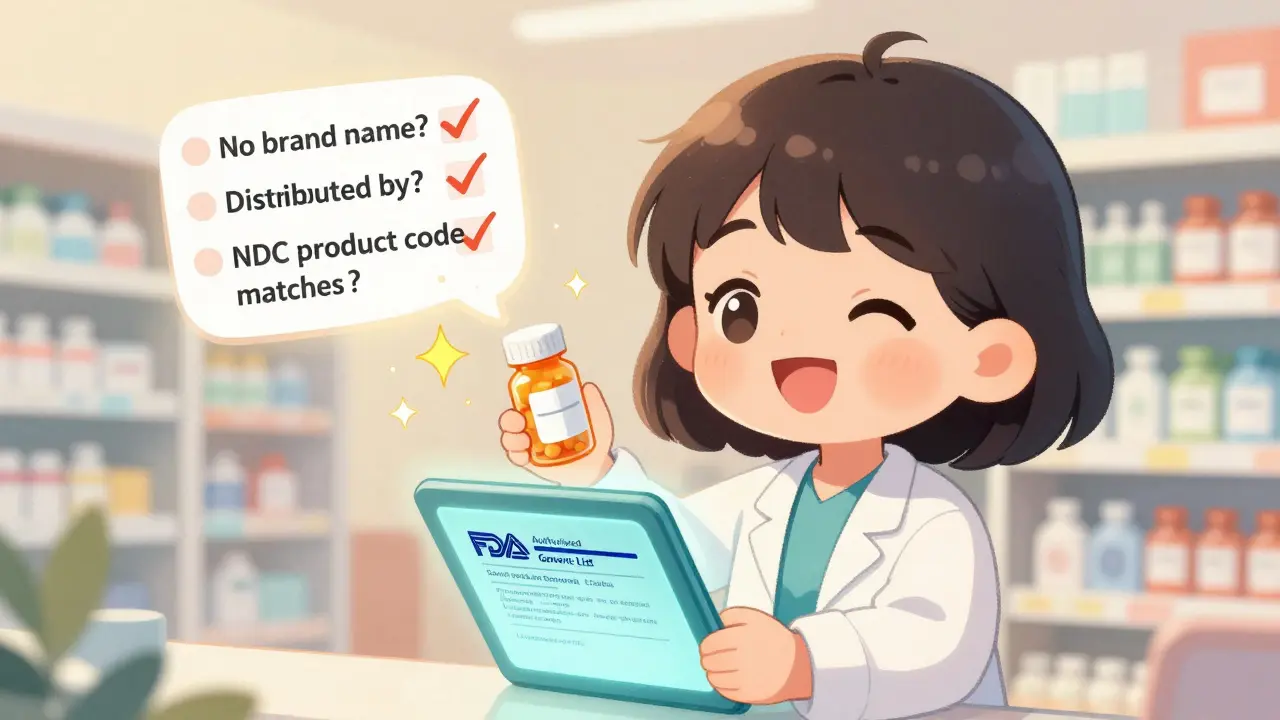
- Check the drug name on the label. If the brand name is missing, it could be an authorized generic.
- Look for “Distributed by” followed by a company name that isn’t the brand manufacturer.
- Find the NDC number on the box. Write it down.
- Go to the FDA’s Authorized Generic Drug List (updated every January, April, July, October). Search by NDC or drug name.
- Compare the labeler code. If it matches the list, and the product/package codes match the brand version, you’ve confirmed it.
Most pharmacy systems - like First Databank and Medi-Span - now flag authorized generics automatically. But if you’re unsure, don’t guess. Check the FDA list. It’s free, public, and updated quarterly.
Why This Matters for Patients
Authorized generics cost less than the brand - usually 15% to 25% lower - but they’re often 5% to 15% more expensive than traditional generics. That’s because they’re still made by the original company, with the same quality controls.
But here’s the real benefit: you get the same reliability. No surprises. No differences in how the drug works. A 2022 survey of 1,500 patients showed 93% reported no change in effectiveness or side effects when switching from brand to authorized generic.
If you’ve had bad experiences with traditional generics - maybe your blood pressure didn’t stabilize, or your seizures returned - an authorized generic might be the answer. It’s not a compromise. It’s the same drug, just cheaper.
What’s Changing in 2024?
The FDA plans to integrate authorized generic identifiers directly into the National Drug Code Directory by mid-2024. That means pharmacy systems will automatically recognize them without needing manual checks. It’s a big step toward reducing errors.
Right now, about 8% of dispensing mistakes involve misidentifying authorized generics. That number should drop as systems get smarter. But until then, knowing how to read the label and check the NDC is still your best defense.
Final Takeaway: It’s Not About the Brand - It’s About the Drug
Pharmacies, insurers, and even doctors often don’t distinguish between authorized generics and traditional generics. But you can. And if you care about consistency - if you’ve ever felt like a generic didn’t work the same way - then knowing how to spot an authorized generic gives you real power.
You don’t need to pay more for the brand. You don’t need to risk inconsistency with a traditional generic. You can get the exact same medicine, at a lower price, with the same quality. All you need is a quick look at the label and a check of the NDC code.

franklin hillary
February 1, 2026 AT 00:02Pharmacists need to stop acting like this is some kind of mystery. It’s not. The FDA gives you the tools. Use them.
Melissa Melville
February 2, 2026 AT 20:22Lilliana Lowe
February 3, 2026 AT 07:42vivian papadatu
February 3, 2026 AT 22:10Also, the FDA list is free and easy to use. Bookmark it. Your future self will thank you.
Jamie Allan Brown
February 4, 2026 AT 02:50Nicki Aries
February 4, 2026 AT 09:00Ed Di Cristofaro
February 4, 2026 AT 11:20Deep Rank
February 5, 2026 AT 12:38Naomi Walsh
February 6, 2026 AT 10:19Bryan Coleman
February 7, 2026 AT 14:33Naresh L
February 9, 2026 AT 10:43Sami Sahil
February 9, 2026 AT 18:46Bob Cohen
February 10, 2026 AT 17:52Ishmael brown
February 10, 2026 AT 21:33