
Hypoglycemia Risk Calculator
Select Your Medications
Choose all medications you currently take for diabetes management.
Your Risk Assessment
Select your medications and factors above to see your personalized hypoglycemia risk assessment.
0%
Annual Hypoglycemia Risk
Personalized Recommendations:
That sudden wave of shakiness, the cold sweat on your forehead, or that strange fog in your brain-it’s not just fatigue. It could be hypoglycemia, defined by medical standards as a blood glucose level below 70 mg/dL. For millions of people managing diabetes, this isn't a rare scare; it's a frequent reality. If you are taking insulin or certain oral medications like sulfonylureas, you might be experiencing these drops more often than you realize. The American Diabetes Association reports that patients on these high-risk meds face 1.5 to 2.5 episodes per year on average. But here is the good news: with the right plan, you can predict, prevent, and treat these lows effectively without living in fear.
We aren't just talking about grabbing a candy bar when you feel weird. We are talking about a structured approach that balances keeping your sugar under control while staying safe. This guide breaks down exactly which drugs cause the problem, how to spot the warning signs before they become emergencies, and the practical tools you need to keep your levels stable.
Which Diabetes Medications Cause Low Blood Sugar?
Not all diabetes drugs are created equal when it comes to hypoglycemia risk. Some work by stimulating your pancreas to release more insulin, which can sometimes lead to an overdose of insulin relative to your food intake. Others help your body use insulin better but rarely cause lows on their own. Understanding this difference is the first step in safety.
The highest risk comes from sulfonylureas, such as glimepiride, glipizide, and glyburide. These older-generation drugs force your pancreas to pump out insulin regardless of your current blood sugar levels. Studies show they carry a 15-30% annual risk of hypoglycemia. Similarly, insulin formulations, whether rapid-acting or long-acting, pose a significant risk, with rates ranging from 20-40% depending on how complex your regimen is. Even meglitinides like nateglinide and repaglinide can trigger lows, though slightly less frequently (10-20%).
In contrast, many newer medications are much safer in this regard. Metformin, the most common first-line treatment, has a hypoglycemia risk of less than 5% when used alone. Newer classes like GLP-1 receptor agonists (such as semaglutide) and SGLT2 inhibitors have risks of less than 2-3%. If you are struggling with frequent lows, talk to your doctor about whether switching to one of these lower-risk options makes sense for your specific health profile.
| Medication Class | Examples | Annual Hypoglycemia Risk |
|---|---|---|
| Sulfonylureas | Glimepiride, Glyburide | 15-30% |
| Insulin | Lispro, Glargine, NPH | 20-40% |
| Meglitinides | Repaglinide, Nateglinide | 10-20% |
| Metformin | Metformin HCl | <5% |
| GLP-1 Agonists | Semaglutide, Liraglutide | <2% |
Recognizing the Signs: Autonomic vs. Neuroglycopenic Symptoms
Your body sends signals when your blood sugar drops, but these signals change as the levels get lower. The American Association of Clinical Endocrinologists divides these into two categories: autonomic and neuroglycopenic. Knowing the difference helps you act faster.
Autonomic symptoms usually hit first, when your glucose is between 65-70 mg/dL. Your body releases adrenaline to try to raise your sugar, causing:
- Sweating and chills
- Trembling or shaking hands
- Rapid heartbeat
- Sudden hunger
- Anxiety or irritability
If you ignore these signs, your levels can drop below 55 mg/dL, triggering neuroglycopenic symptoms. This means your brain isn't getting enough fuel. Watch out for:
- Confusion or difficulty concentrating
- Drowsiness or extreme fatigue
- Slurred speech
- Blurred vision
- In severe cases, seizures or loss of consciousness
A dangerous condition called hypoglycemia unawareness affects about 25% of type 1 diabetics after 15 years. You simply stop feeling the early warning signs. If you suspect this is happening to you, you must rely on technology rather than how you feel. Continuous glucose monitors (CGMs) are essential here because they alert you before you lose awareness.
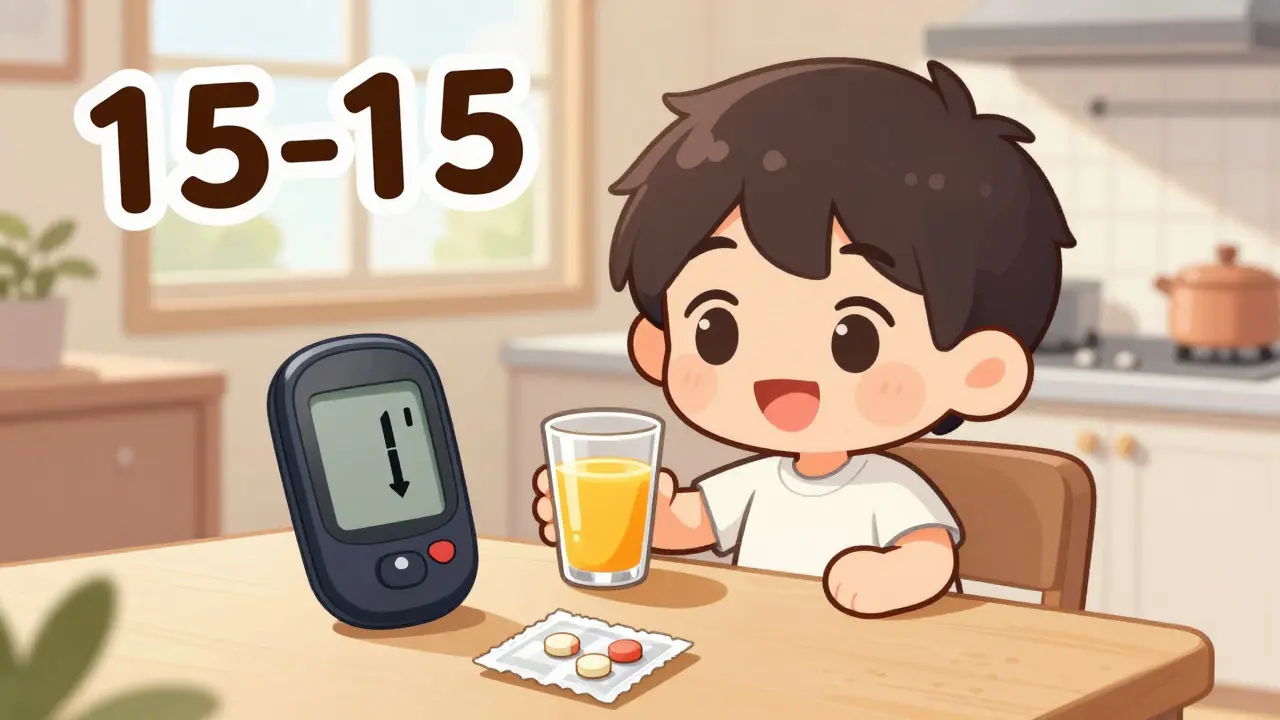
The 15-15 Rule: How to Treat a Low Quickly
When your meter reads below 70 mg/dL, or you feel those classic shaky symptoms, don't guess. Use the evidence-based 15-15 rule. This method is proven to resolve mild-to-moderate hypoglycemia in 89% of cases when done correctly.
- Consume 15 grams of fast-acting carbohydrates. Avoid fats and proteins initially, as they slow down absorption. Good options include:
- 4 glucose tablets (standard size)
- 4 ounces (1/2 cup) of fruit juice or regular soda (not diet)
- 1 tablespoon of honey or sugar
- Hard candies (check the label for carb count)
- Wait 15 minutes. Do not eat more yet. Give your body time to absorb the sugar.
- Check your blood sugar again. If it is still below 70 mg/dL, repeat step 1.
- Once above 70 mg/dL, eat a snack or meal. If your next meal is more than an hour away, have a small snack with protein and complex carbs (like crackers with cheese) to keep your levels stable.
A common mistake? Eating a huge chocolate bar immediately. Chocolate contains fat, which slows sugar absorption. You might end up eating way too many calories to fix a simple low. Stick to fast-acting carbs first.
Technology That Saves Lives: CGMs and Smart Pens
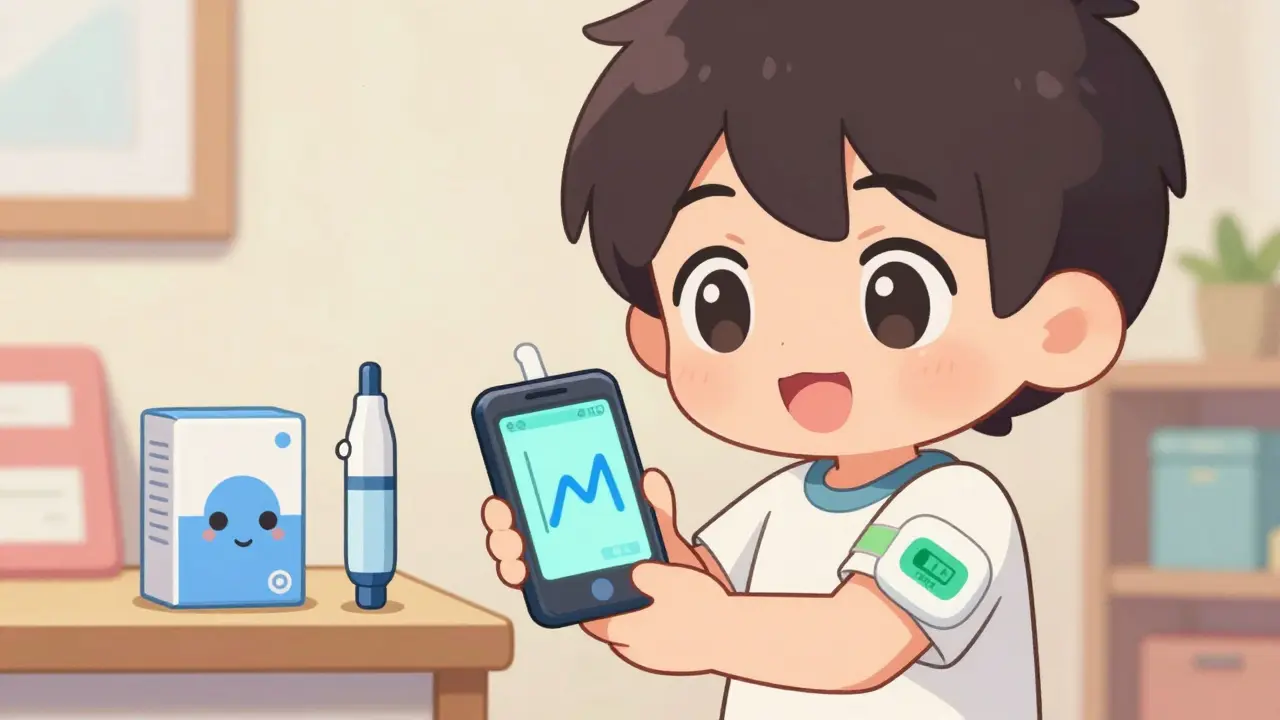
You cannot manage what you do not measure. While finger-prick tests give you a snapshot, Continuous Glucose Monitors (CGMs) provide a movie of your blood sugar trends. Devices like the Dexcom G7 or Freestyle Libre 3 send real-time data to your phone. They can vibrate or sound an alarm if your sugar is dropping too fast or falls below a set threshold.
Data from the DIAMOND trial shows that CGM users reduce their time spent in hypoglycemia by 35% and cut severe events by nearly half compared to standard monitoring. Yes, there is a cost-around $1,200 annually for some Medicare patients-but many insurance plans now cover them for anyone on insulin. If you are having frequent lows, ask your doctor about coverage. It’s an investment in preventing emergency room visits, which cost far more.
For those who prefer not to wear a sensor, smart insulin pens are another option. They track your doses and sync with apps to help you see patterns. Did you take your morning dose but skip breakfast? The app will flag that mismatch, helping you avoid a later crash.
Identifying and Mitigating Personal Risk Factors
Some people are naturally at higher risk for hypoglycemia. Recognizing your personal triggers allows you to adjust your behavior proactively.
Age and Kidney Function: If you are over 65, your risk increases by 40%. Older adults often have slower metabolism and may eat less regularly. Additionally, kidney impairment (eGFR <60 mL/min) can cause medications to stay in your system longer, increasing risk by 2.3-fold. Regular kidney function tests are crucial.
Medication Interactions: Are you taking beta-blockers for high blood pressure? These drugs can mask the physical symptoms of low blood sugar, like tremors and rapid heartbeat, in up to 30% of patients. If you are on both, you must rely even more heavily on checking your numbers rather than how you feel.
Lifestyle Triggers:
- Alcohol: Drinking alcohol without eating can block your liver from releasing stored glucose. It accounts for 22% of severe hypoglycemia events in younger patients. Always drink with food and check your sugar before bed.
- Exercise: Physical activity uses up glucose. Unplanned workouts can cause daytime lows in 31% of active patients. Check your sugar before exercising and consider a small carb snack if you are near the lower end of your target range.
Emergency Preparedness: Glucagon Kits
What happens if someone passes out or has a seizure from severe hypoglycemia? They cannot swallow food or juice. This is a Level 3 event, requiring immediate assistance. In these cases, you need glucagon, a hormone that rapidly raises blood sugar.
Old-school glucagon kits required mixing powder and liquid, which was stressful and time-consuming (taking about 3 minutes). Newer options are game-changers:
- Baqsimi: A nasal powder that requires no needles or mixing. It works in seconds.
- Zegalogue: A pre-filled liquid injection approved by the FDA in 2023, ready to use instantly.
If you are on insulin or sulfonylureas, you should always have a glucagon kit accessible at home, in your car, and perhaps at work. Teach your family members or close friends how to use it. According to T1D Exchange data, only 41% of type 1 diabetics carry these kits, which is far too low given the severity of untreated lows.
Creating Your Daily Management Routine
Consistency is key. Here is a practical checklist to integrate into your daily life:
- Log Your Data: Use a logbook or app to record medication times, meals, activity, and blood sugar readings. Patients who log consistently reduce recurrence of lows by 37% within three months. Look for patterns: do you always drop two hours after lunch?
- Carry Fast-Acting Carbs: Keep glucose tablets or juice boxes in your purse, car glove box, and desk drawer. Don’t wait until you feel bad to look for them.
- Set Alarms: Use smartphone reminders for meal times and medication doses. Skipping a meal after taking sulfonylureas is a recipe for disaster.
- Review with Your Doctor: Bring your logs to every appointment. Ask specifically about your hypoglycemia risk score. If you are having frequent lows, your medication dosage may need adjustment. The goal is not just a low HbA1c, but a stable, safe day-to-day experience.
Managing hypoglycemia isn't about perfection; it's about preparation. By understanding your medications, recognizing the signs, using technology wisely, and having an emergency plan, you take back control. You don't have to live in fear of the next low. With this practical plan, you can focus on living your life, not just watching your numbers.
What should I do if my blood sugar is below 70 mg/dL?
Follow the 15-15 rule: consume 15 grams of fast-acting carbohydrates (like 4 glucose tablets or 4 oz of juice), wait 15 minutes, and recheck your blood sugar. If it is still below 70 mg/dL, repeat the process. Once it rises above 70 mg/dL, eat a small snack with protein if your next meal is more than an hour away.
Can metformin cause hypoglycemia?
No, metformin has a very low risk of causing hypoglycemia (less than 5%) when used alone. It works by improving insulin sensitivity rather than forcing the pancreas to produce more insulin. However, risk increases if it is combined with insulin or sulfonylureas.
What are the signs of hypoglycemia unawareness?
Hypoglycemia unawareness means you no longer feel the early warning signs like shaking or sweating. Instead, you may suddenly experience confusion, dizziness, or loss of consciousness. This condition is common in long-term diabetics and requires the use of Continuous Glucose Monitors (CGMs) for safety.
How does alcohol affect blood sugar levels?
Alcohol can block the liver from releasing stored glucose, leading to delayed hypoglycemia, especially overnight. It is responsible for 22% of severe hypoglycemia events in younger patients. Always consume alcohol with food and monitor your blood sugar closely before bed.
When should I use a glucagon kit?
Use a glucagon kit only in severe cases where the person is unconscious, having a seizure, or unable to swallow safely. Newer options like Baqsimi (nasal powder) or Zegalogue (liquid injection) are faster and easier to use than traditional mixed kits. Call emergency services immediately after administering glucagon.
Do beta-blockers mask hypoglycemia symptoms?
Yes, beta-blockers can mask autonomic symptoms like tremors and rapid heartbeat in up to 30% of patients. If you take beta-blockers for heart conditions or high blood pressure, you must rely more on frequent blood sugar testing or CGM alerts rather than physical sensations to detect lows.



anna arifiana
July 15, 2026 AT 10:34It is absolutely fascinating, and frankly a bit terrifying, to consider that the very medications prescribed to save our lives are simultaneously capable of inducing a state of near-death due to hypoglycemia; one must wonder if the medical community has truly balanced the scales of risk versus reward in these older drug classes, or if we are merely accepting a certain degree of physiological chaos as the price for glycemic control, especially when newer alternatives exist that seem to offer a much gentler, more humane approach to managing blood sugar levels without the constant threat of a sudden, debilitating crash.
Jasmine Agito
July 17, 2026 AT 05:59I appreciate this breakdown because many patients don't realize why their doctor might switch them from glimepiride to something like metformin or a GLP-1 agonist. The risk stats for sulfonylureas are indeed high. If you are on insulin, carrying fast-acting carbs is non-negotiable. I always recommend keeping glucose tabs in your car, purse, and bedside table just in case. It's not about fear, it's about preparedness.
Tony Malvagna
July 19, 2026 AT 00:50hey guys i think this is super important info but ppl need to stop being so scared of meds lol its all about balance right? if u eat right and move ur body u can manage most stuff. dont let the stats scare u into doing nothing. keep it real and stay active! also typos happen so dont worry bout em :)
Marie-Gladys Darcelin
July 19, 2026 AT 18:11The notion that one should simply 'talk to your doctor' is a gross oversimplification of a complex pharmacological reality. Most physicians are overworked and under-informed regarding the latest endocrinology guidelines, leading to a persistent reliance on outdated sulfonylureas due to cost rather than clinical efficacy. It is morally reprehensible that insurance companies continue to prioritize cheaper, higher-risk medications over safer, modern alternatives, effectively gambling with patient safety for marginal financial gain. One must demand better care.
Kyle Bonnette-Lykens
July 21, 2026 AT 01:11insulin saves lives. stop complaining. if u cant handle the side effects maybe diabetes isnt for u. simple as that.
Andrew Donovan
July 21, 2026 AT 18:05From down under, I have to say this aligns with what we see here too. The shift towards SGLT2 inhibitors has been a game-changer for many of my peers who were struggling with weight and lows. It's quite remarkable how the landscape has changed. We often forget that hypoglycemia isn't just an inconvenience; it's a significant cardiovascular stressor. Reducing those episodes likely has long-term benefits beyond just feeling better in the moment. Keep pushing for those safer options.
Ambarish Pal
July 22, 2026 AT 20:09Oh, please! Another article telling us what we already know! As if anyone doesn't feel shaky sometimes! This is dramatic nonsense wrapped in a bow of statistics that mean nothing to the person shivering on the floor at 3 AM! You people love to make everything sound like a crisis when it's just biology doing its thing! Stop crying about it!
Angie Lara
July 23, 2026 AT 10:18i totally get the frustration some people feel. in my culture we often rely on traditional remedies first but then realize modern meds are needed. the key is listening to your body. if u feel weird dont ignore it. also spelling doesnt matter as long as u understand each other right? lets support each other through this journey.
Patrick Meyer
July 24, 2026 AT 05:53Look, if you're smart enough to read this you should be smart enough to figure out your own dosing. The average joe needs to take responsibility instead of blaming the pharma industry. It's pathetic how everyone expects a hand-holding guide for basic survival skills. Grow up and manage your condition like an adult.
Prashant Shishodia
July 24, 2026 AT 10:23Listen up. Hypo is serious. Don't play games. Eat carbs. Check sugar. Stay safe. That is all you need to know. No excuses.
Autumn LW
July 24, 2026 AT 15:12This article is painfully obvious to anyone with even a modicum of medical literacy. The suggestion that patients should merely 'predict' lows is laughable given the erratic nature of Type 1 diabetes and late-stage Type 2. Furthermore, the elitist assumption that everyone has access to GLP-1 agonists ignores the socioeconomic realities of healthcare. It is insulting to suggest that a lack of knowledge is the primary barrier rather than systemic failure.
Scott Colter
July 25, 2026 AT 13:18Hey there, friend! It really makes you think about the dance between our bodies and the medicine we take, doesn't it? Like a delicate waltz where one wrong step sends you spinning. I believe that understanding these risks is the first step toward freedom. We aren't victims of our meds; we are partners with them. Let's embrace the knowledge and live fully!
Paul Lyons
July 25, 2026 AT 21:40Why are we letting foreign drug companies dictate our health standards?! These new fancy drugs are probably made overseas with who knows what! Stick to the old American-made pills that worked for our grandparents! This globalist push for expensive new meds is a scam to drain our wallets! Wake up people!
Ed Ostrego
July 27, 2026 AT 06:42You got this! Every day is a chance to learn more about your body. Don't let the fear of lows stop you from living your best life. Talk to your team, ask questions, and remember that you are strong! Let's crush those goals together!
Bobby Christiansen
July 27, 2026 AT 19:27OMG!!! This is SO scary!! :( I had a hypo last week and I thought I was dying!! My hands were shaking so bad I couldn't even open my juice box!! Why do doctors prescribe these dangerous drugs?? It's not fair!! I'm so angry!! >:(