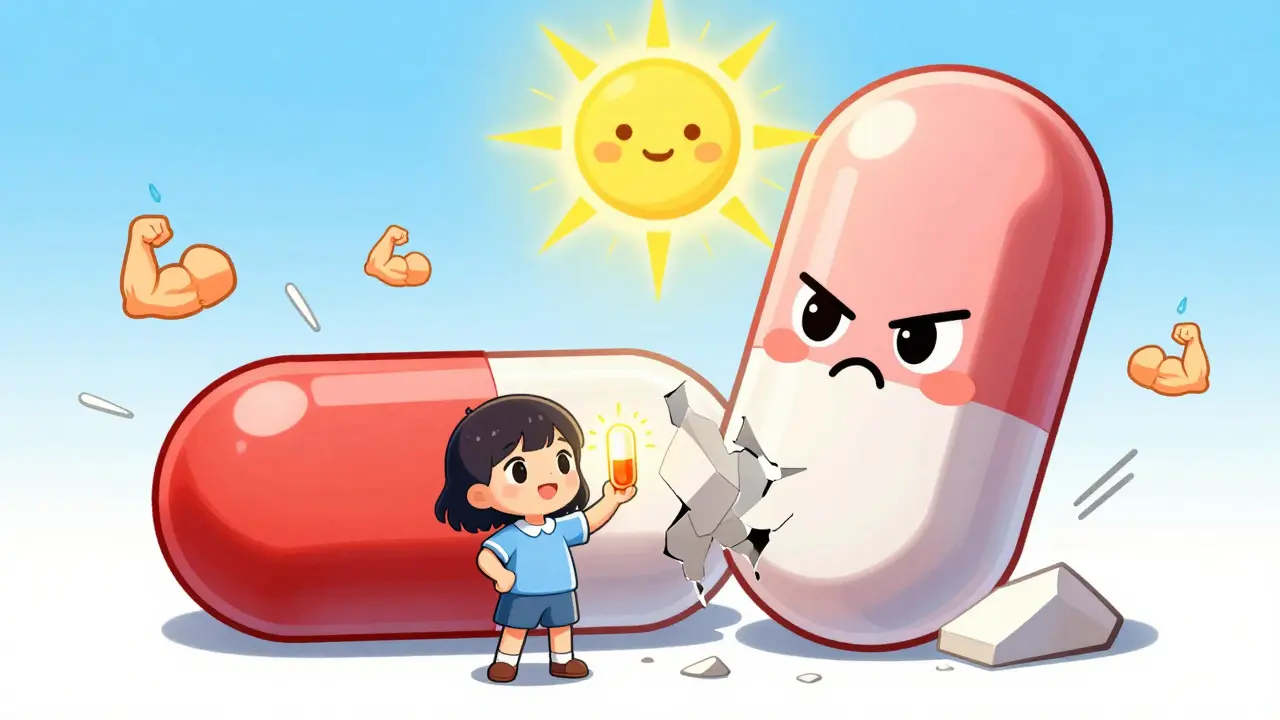
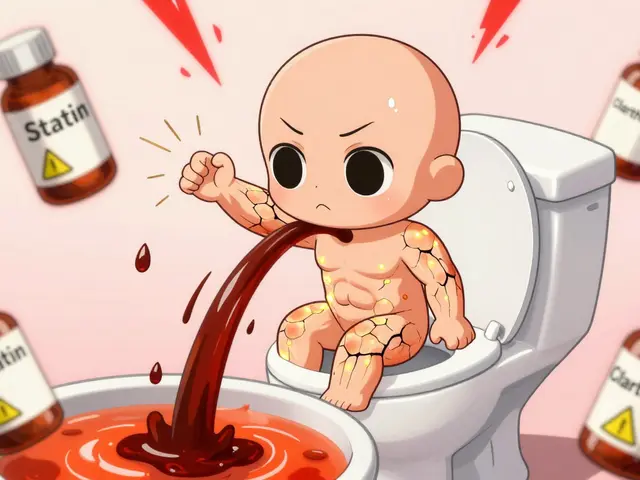
For millions of people taking statins to lower cholesterol and prevent heart attacks, muscle pain isn’t just an inconvenience-it’s a deal breaker. About 7% to 29% of patients stop taking statins because of muscle aches, weakness, or cramps. That’s a huge problem, because statins cut the risk of heart disease by 25% to 35%. So when doctors started noticing that many of these patients also had low vitamin D, it seemed like a simple fix: vitamin D might be the key to helping people stay on their meds.
Back in 2009, a small study made waves: 92% of patients who stopped statins due to muscle pain started tolerating them again after taking vitamin D supplements. That got a lot of attention. Clinicians began checking vitamin D levels in anyone who complained of muscle issues on statins. Some even started giving supplements routinely, hoping to avoid the costly and dangerous consequences of stopping statins altogether.
What’s the Link Between Vitamin D and Muscle Pain?
Vitamin D isn’t just for bones. It plays a direct role in muscle function. When levels drop below 20 ng/mL, people can develop muscle weakness, fatigue, and even severe myopathy-symptoms that look a lot like statin-induced muscle pain. The question became: are we confusing two separate problems, or is low vitamin D making statin side effects worse?
Studies showed that patients with statin-related muscle pain often had vitamin D levels under 32 ng/mL. In one 2017 study, 90% of patients with vitamin D ≤20 ng/mL were able to restart statins after supplementation. That’s powerful. But here’s the twist: patients with vitamin D above 20 ng/mL only had a 33% success rate. That suggests the benefit might only apply to those who are truly deficient.
And it’s not just about any statin. After correcting vitamin D, pravastatin and rosuvastatin were the most tolerated. Atorvastatin, the most commonly prescribed statin, showed lower vitamin D levels in some studies-raising the possibility that it might interfere with vitamin D metabolism. One theory is that vitamin D deficiency affects the liver enzymes (CYP450) that break down statins. If those enzymes aren’t working right, statins build up in muscle tissue and cause damage. Fix the deficiency, and maybe the body handles the statin better.
The Big Contradiction: Observational Studies vs. Real-World Trials
Here’s where things get messy. The early studies were observational. They looked at patients who were already taking supplements and noticed they felt better. But correlation isn’t causation. Maybe those patients were more health-conscious overall. Maybe they exercised more. Maybe their pain improved because they believed the supplement would help-placebo effect.
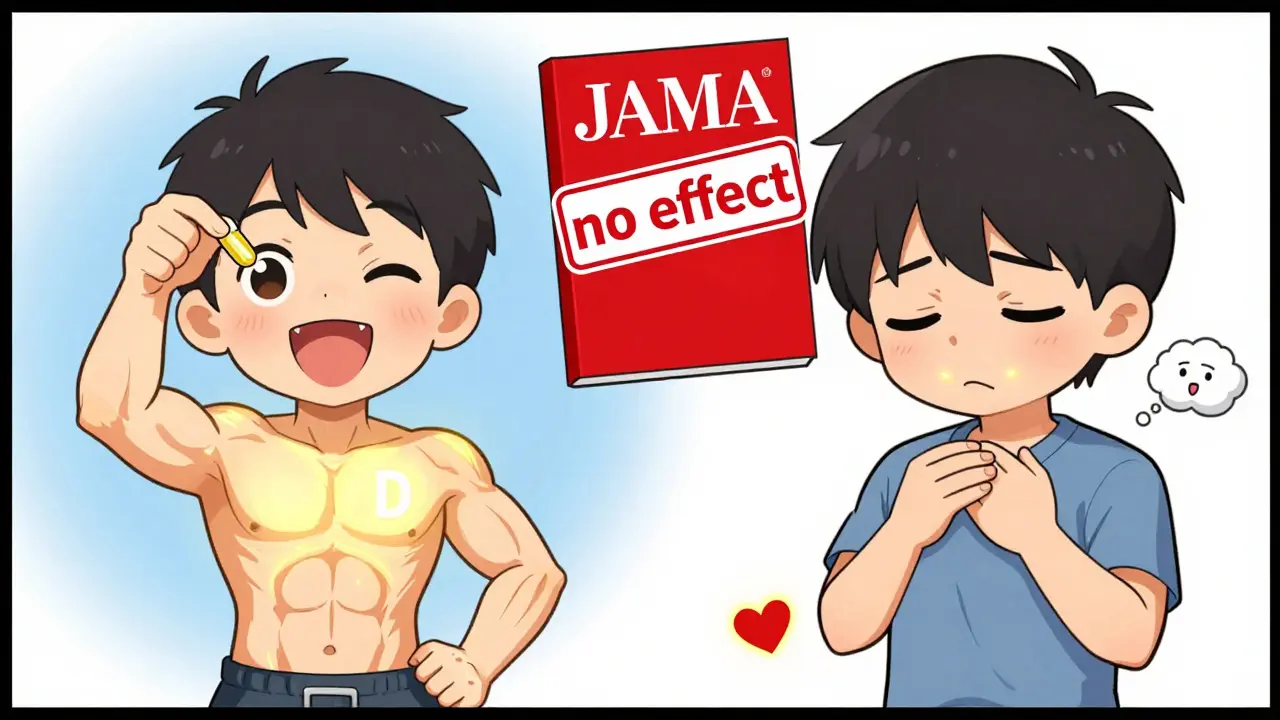
Then came the 2022 JAMA Cardiology study. It wasn’t small. It wasn’t anecdotal. It was a randomized, double-blind, placebo-controlled trial with over 2,000 participants. All were new statin users. Half got 2,000 IU of vitamin D daily. The other half got a placebo. After monitoring for muscle symptoms and statin discontinuation, the results were clear: no difference.
31% of people in both groups developed muscle pain. 13% in both groups stopped their statins. Vitamin D didn’t help. Not even a little.
This isn’t a minor disagreement. This is the gold standard of medical evidence versus years of observational data. The JAMA study authors didn’t sugarcoat it: “Vitamin D supplementation did not prevent statin-associated muscle symptoms.” That’s a hard blow to the idea that vitamin D is a magic fix.
Why Do Some Doctors Still Recommend It?
Despite the JAMA findings, many clinicians still test vitamin D in statin-intolerant patients-and still supplement if levels are low. Why?
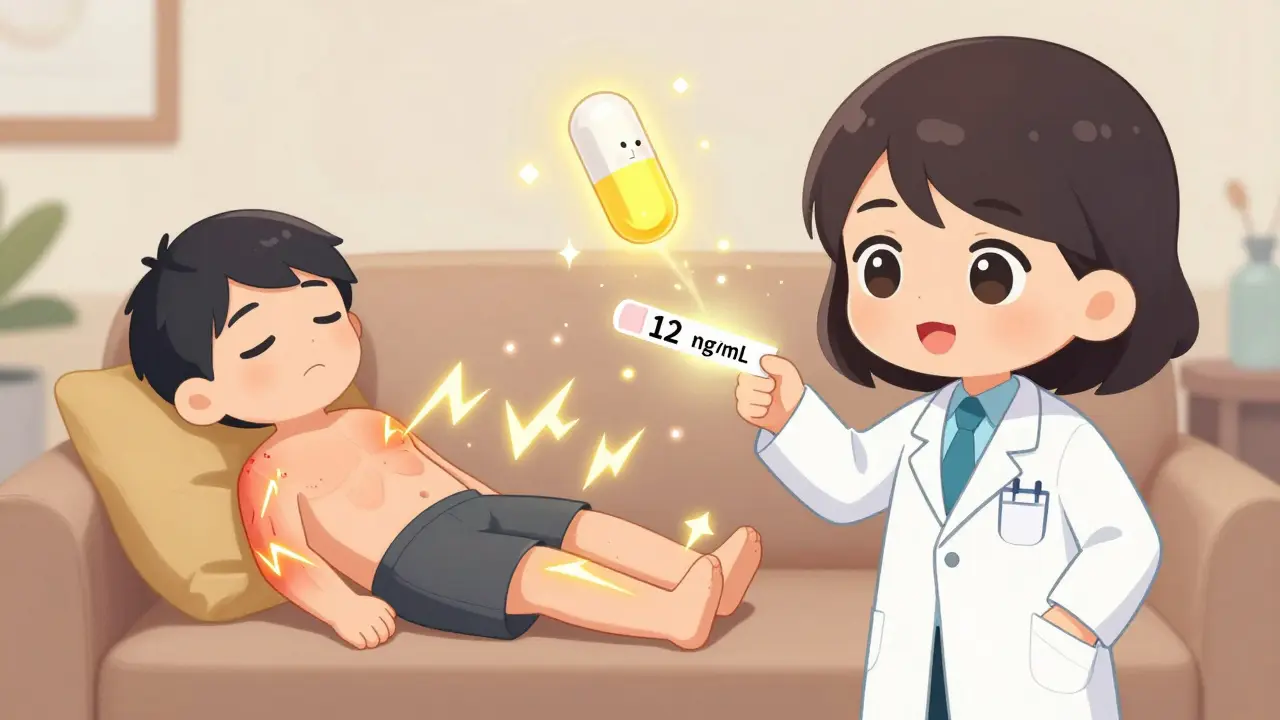
Because for some, it works. The 2015 study showed that 53% of patients who had failed three different statins were able to tolerate at least one after vitamin D repletion. That’s not a small number. And in clinical practice, when a patient has vitamin D at 12 ng/mL, is in constant pain, and can’t take any statin, giving them 2,000 IU a day is low-risk and might help. It’s not about proving it works for everyone-it’s about finding a path forward for someone who has no other options.
Also, vitamin D deficiency is common. In the UK, over 20% of adults have levels below 30 ng/mL. Fixing that improves bone health, immune function, and possibly mood. Even if it doesn’t help with statins, it’s still good medicine. So some doctors say: why not? If it helps, great. If it doesn’t, you didn’t lose anything.
What Should You Do If You’re on Statins and Have Muscle Pain?
Here’s a practical approach based on the evidence:
- Don’t assume vitamin D is the cause. Muscle pain from statins can happen even with perfect vitamin D levels. Don’t skip checking other causes-thyroid issues, kidney function, or even overtraining.
- If you’re deficient (below 20 ng/mL), try supplementation. Take 2,000 IU daily for 2-3 months. Retest. If your level goes above 30 ng/mL and your pain improves, you might be one of the lucky ones.
- Re-challenge with a different statin. If you’ve been off statins, try pravastatin or rosuvastatin. They seem to be better tolerated after vitamin D correction.
- Don’t expect miracles. If your vitamin D is already above 30 ng/mL, supplementation won’t help with muscle pain. Stop wasting time and money.
- Work with your doctor. Never stop statins without talking to your provider. The risk of heart attack or stroke from stopping statins is far greater than the risk of muscle pain.
The Bottom Line: It’s Not Black and White
The science is split. One major trial says vitamin D doesn’t help. Several smaller studies say it does-for some people, under specific conditions. The truth? It might help a subset of patients: those with severe deficiency, who’ve failed multiple statins, and who have no other explanation for their pain.
But here’s what we know for sure:
- Statin intolerance is real and dangerous.
- Vitamin D deficiency is common and harmful on its own.
- Supplementing vitamin D is safe, cheap, and has other benefits.
- There’s no harm in testing and correcting deficiency in statin-intolerant patients.
- But don’t expect it to be a universal solution.
The JAMA study didn’t prove vitamin D doesn’t help anyone. It proved it doesn’t help everyone. That’s a big difference. For now, the best approach is personalized: test, supplement if needed, switch statins if necessary, and keep the goal in mind-keeping people on life-saving medication.
Can low vitamin D cause muscle pain even without statins?
Yes. Vitamin D deficiency is linked to muscle weakness, fatigue, and even severe myopathy. People with levels below 20 ng/mL often report unexplained muscle aches, cramps, and difficulty climbing stairs or standing up from a chair. This can happen independently of statin use and is one reason why checking vitamin D levels is a good idea for anyone with persistent muscle symptoms.
How much vitamin D should I take if I’m on statins?
If your vitamin D level is below 20 ng/mL, 2,000 IU daily is a safe and commonly used dose. After 2-3 months, get your level retested. The goal is to reach at least 30 ng/mL. Higher doses (like 5,000 IU) aren’t usually needed unless you’re severely deficient or have absorption issues-and should be supervised by a doctor.
Should I get my vitamin D tested before starting a statin?
Routine testing before starting statins isn’t recommended for everyone. But if you have a history of muscle pain, are at high risk for deficiency (dark skin, limited sun, older age, obesity), or have had trouble with statins before, it’s worth checking. It’s low-cost and could prevent future issues.
If vitamin D doesn’t help, what are my other options for statin intolerance?
Yes. Switching statins often helps-pravastatin and rosuvastatin are less likely to cause muscle issues. You can also try lower doses, alternate-day dosing, or non-statin options like ezetimibe or PCSK9 inhibitors. Some patients benefit from coenzyme Q10 supplements, though evidence is mixed. Always work with your doctor to find the safest, most effective plan.
Is it safe to take vitamin D supplements long-term?
Yes, at doses up to 4,000 IU daily, vitamin D is safe for most people. Higher doses can lead to calcium buildup in blood vessels or kidneys, but this is rare and usually only happens with very high doses over long periods. Always retest levels after a few months to make sure you’re not over-supplementing.




Greg Scott
February 21, 2026 AT 04:28Man, I’ve been on statins for years and never had a single muscle issue. But my buddy? Total nightmare. He dropped them until his doc told him to try vitamin D. Low as a rock, like 14 ng/mL. Took 2k IU for a few months, now he’s back on rosuvastatin and feels fine. Not magic, but for him? Game changer. Don’t write it off till you check the numbers.
Scott Dunne
February 22, 2026 AT 12:23Let us not be swayed by anecdotal nonsense. The JAMA trial was rigorous, peer-reviewed, and involved over two thousand participants. To persist in recommending vitamin D supplementation on the basis of observational studies is not merely unscientific-it is a disservice to evidence-based medicine. We must resist the allure of quick fixes, especially when they are rooted in confirmation bias and poor study design.
Chris Beeley
February 22, 2026 AT 17:24Oh, this is just beautiful. The entire medical-industrial complex is built on placebo effects and cherry-picked correlations, and now we’re told to ignore the 2015 study that showed 53% of statin-failed patients could finally tolerate medication after D repletion? Please. That’s not science, that’s statistical terrorism. You think the 2022 JAMA trial was flawless? Let’s talk about confounding variables-how many of those 2000 subjects were actually deficient? Were they monitored for compliance? Did they even measure intracellular vitamin D levels? Or just serum? Because serum doesn’t tell you squat about what’s happening in muscle tissue. This is why real researchers don’t trust big pharma-funded trials. The truth is buried under layers of funding bias and institutional inertia. And don’t get me started on how atorvastatin messes with CYP450…
Benjamin Fox
February 23, 2026 AT 02:16So basically if you’re low on D, take it. If you’re not, don’t waste cash. 😎 Also, pravastatin ftw. I switched and no more leg cramps. 🙌
Nina Catherine
February 23, 2026 AT 08:45So I had statin pain for months and thought it was just aging… then my doc said my D was 18 and to try supplements. I was skeptical but took it for 3 months. I swear, my legs stopped feeling like lead. I’m not saying it worked for everyone, but for me? HUGE. Also, I typo’d like 3 times in this comment lol 🤦♀️
Taylor Mead
February 24, 2026 AT 17:50I love how this post doesn’t just say ‘take D’ or ‘don’t take D’-it says ‘check your levels, then decide.’ That’s the real win here. Medicine isn’t about one-size-fits-all. It’s about listening to the body and trying smart, low-risk options. If D helps even 1 in 5 people stay on a life-saving med? That’s worth it. No need to overcomplicate it.
Amrit N
February 25, 2026 AT 23:07my cousin took D and statin together and now he feels like 20 again 😊 i think its the d honestly. even if study says no, real life is different. also i dont trust big studies they always miss the little guys. keep it simple: test, supplement if low, try diff statin. done.
Robert Shiu
February 27, 2026 AT 16:07Just want to say-this is why I love docs who actually listen. I was ready to quit statins because my legs were killing me. My doctor didn’t brush me off. She checked my D, it was 16. We did 2k IU for 3 months, retested at 38, and switched to pravastatin. Boom. No pain. I’m still on it 2 years later. Not a miracle. Just smart, personalized care. If you’re struggling, don’t give up. Talk to your doc. There’s usually a path forward.