Steroid Eye Damage: Risks, Signs, and What to Do
When you use steroid eye drops, topical corticosteroids prescribed to reduce eye inflammation. Also known as corticosteroid eye medications, they’re powerful tools for treating allergies, uveitis, and post-surgery swelling. But here’s the catch: even a few weeks of use can silently raise eye pressure, damage your optic nerve, or cloud your lens. Most people don’t realize the risk until they start seeing blurry or lose peripheral vision. This isn’t rare—it’s a well-documented side effect that doctors often underestimate because the drops feel harmless.
One of the biggest dangers is glaucoma from steroids, a condition where pressure inside the eye rises and damages the optic nerve. It doesn’t hurt. It doesn’t always cause redness. You might not notice anything until 30% of your vision is gone. Studies show that up to 30% of long-term users develop elevated eye pressure, and about 5% go on to develop permanent glaucoma. Then there’s cataracts from steroids, clouding of the eye’s natural lens caused by prolonged steroid exposure. Unlike age-related cataracts, steroid-induced ones can appear in younger people after just months of use. These aren’t theoretical risks—they’re real, measurable, and preventable with monitoring.
It’s not just about how long you use the drops. It’s also about the strength, frequency, and your personal risk. People with a family history of glaucoma, diabetics, and those under 18 are more vulnerable. Even over-the-counter allergy drops with hidden steroids can cause damage if used daily for weeks. That’s why you need to know the signs: seeing halos around lights, blurred vision that doesn’t clear up, eye pain, or sudden vision changes. If you’re on steroid eye drops, ask your doctor for regular pressure checks—every 2 to 4 weeks if you’re using them long-term. Don’t wait for symptoms. By the time you feel something, it might already be too late.
The good news? Most damage stops if you catch it early. Stopping the drops, switching to a weaker version, or adding pressure-lowering meds can reverse the trend. But you have to be proactive. This collection of posts gives you real-world guidance on spotting hidden risks, understanding what your doctor isn’t telling you, and protecting your vision without giving up necessary treatment. You’ll find advice on when to push back on prescriptions, how to track your eye health at home, and what alternatives exist when steroids are too risky. This isn’t fear-mongering—it’s practical defense.
Cataracts and Glaucoma from Long-Term Steroid Use: What You Need to Know for Eye Safety
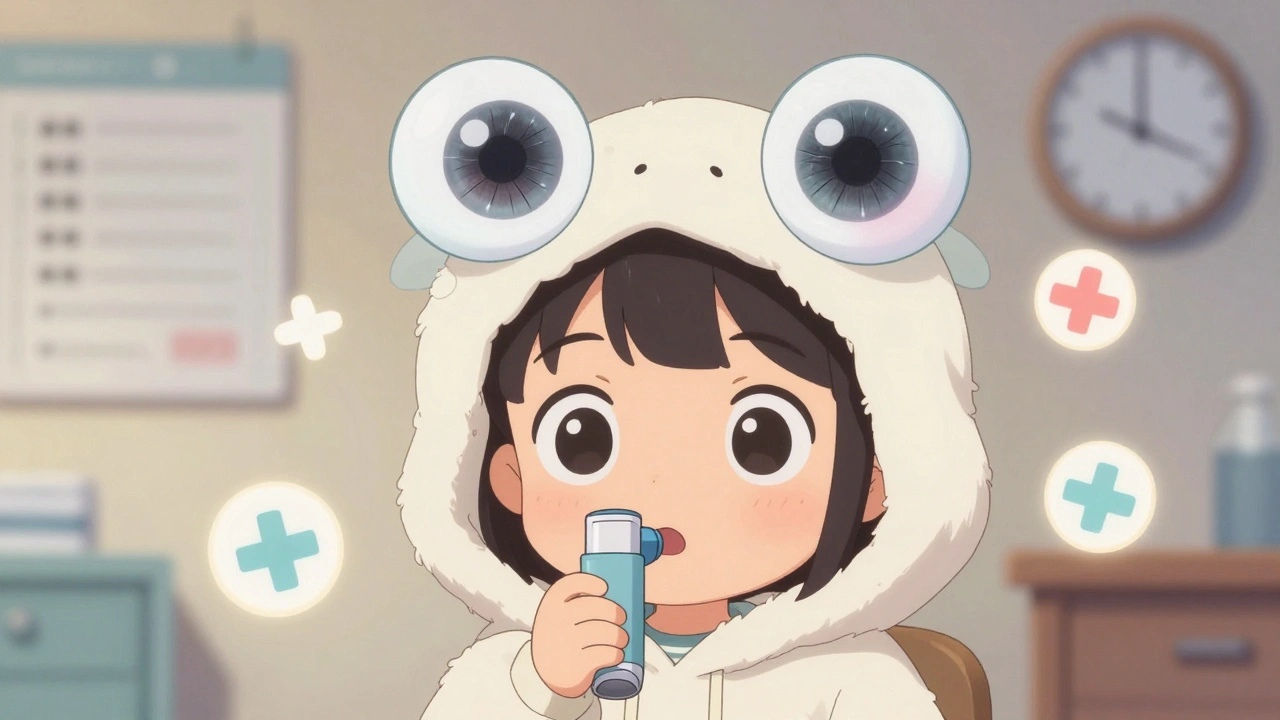
Long-term steroid use can cause silent but serious eye damage, including cataracts and glaucoma. Learn how to spot early signs, who’s at risk, and how to protect your vision with proper monitoring.
read moreRecent Post
-

6 Best Alternatives to Inderal in 2025
Mar, 18 2025