Patent Term Restoration: What It Is and How It Affects Drug Availability
When a drug company gets a patent, it usually gets 20 years of market protection. But patent term restoration, a legal extension granted by the U.S. Patent and Trademark Office to compensate for delays in FDA approval. Also known as drug patent extension, it lets companies keep exclusive rights longer than the original patent term—sometimes adding up to five extra years. This isn’t a loophole. It’s a trade: the government gives more time to recoup R&D costs because the FDA approval process can take years—time that eats into the patent’s commercial life.
FDA exclusivity, a separate protection granted by the Food and Drug Administration that blocks generics even after a patent expires. Also known as market exclusivity, it can last from three to seven years depending on the drug type—like new chemical entities, orphan drugs, or pediatric studies. This means two things can block a generic: an active patent and FDA exclusivity. And when both are in play, patients and insurers pay more for longer. Generic drug entry, the moment a cheaper version becomes legally available after exclusivity ends. Also known as generic launch, it’s the turning point where prices often drop by 80% or more. That’s why patent term restoration matters—it delays that moment.
Most of the drugs covered in this collection—like SGLT2 inhibitors, beta-blockers, and anticoagulants—were once protected by patents. Some still are. The fight over when generics can enter isn’t just legal; it’s personal. It affects whether someone with diabetes can afford their meds, whether a senior can refill their blood thinner without choosing between groceries and prescriptions. The rules around patent term restoration shape those choices.
You’ll find posts here about how generics are made, why some doctors refuse to substitute them, how media misleads people about their safety, and how insurance plans control access. All of it ties back to this: patent term restoration and FDA exclusivity determine who gets to make the drug, when, and at what price. If you’ve ever been denied a generic, had your prescription pulled from a formulary, or wondered why a drug suddenly got expensive, the answer often starts here.
Hatch-Waxman Amendments: How Landmark Law Made Generic Drugs Possible
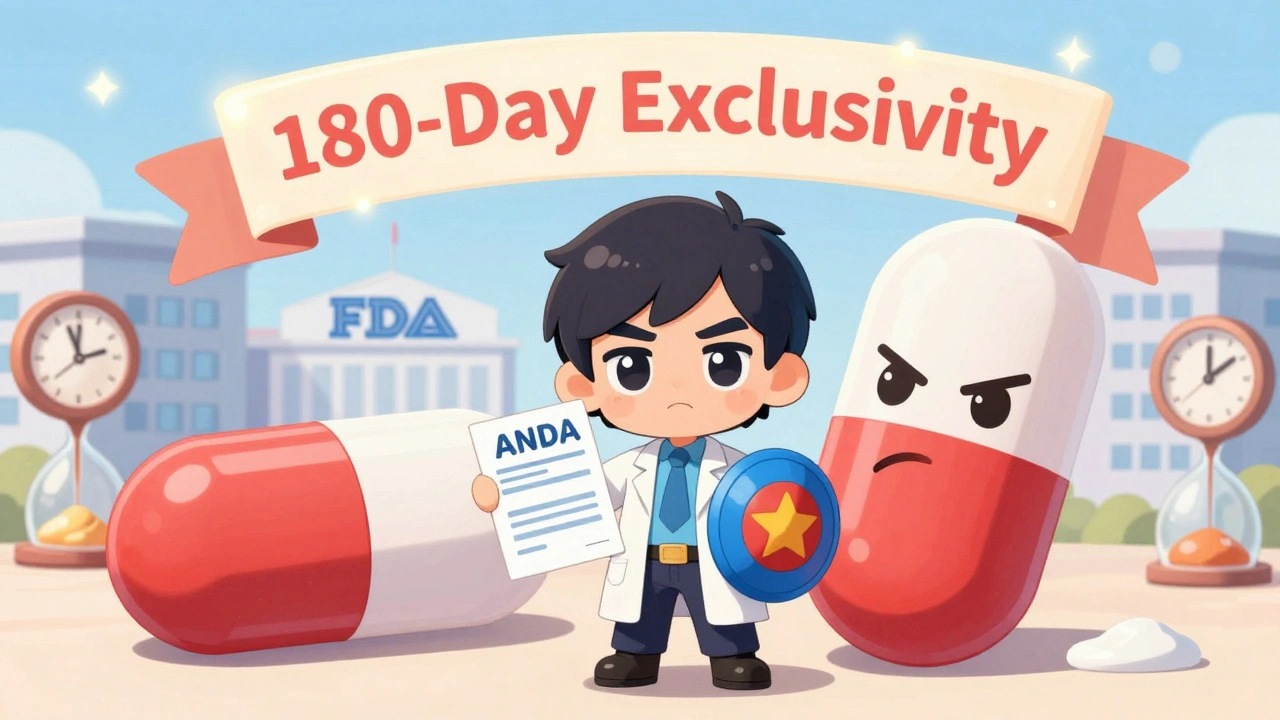
The Hatch-Waxman Act of 1984 created the modern system for generic drugs in the U.S., cutting approval costs and speeding access. It balanced brand-name patent protection with generic competition, leading to 90% of prescriptions now being filled with generics.
read more