Drug Safety Monitoring: How We Track Risks and Keep Medications Safe
When you take a pill, you trust it won’t harm you. That trust isn’t luck—it’s built by drug safety monitoring, a continuous system that watches for unexpected side effects, dangerous interactions, and manufacturing flaws after a drug hits the market. Also known as pharmacovigilance, it’s the quiet backbone of every prescription you fill. The FDA, EMA, and global health agencies don’t just approve drugs—they keep watching them, year after year, because real-world use often reveals problems no clinical trial could catch.
That’s why adverse drug reactions, harmful or unintended effects caused by medications are tracked through reports from doctors, pharmacies, and even patients. A single report might seem small, but when thousands pile up—like with a certain antibiotic causing heart rhythm issues or a diabetes drug linked to rare bladder infections—it triggers reviews, warnings, or even recalls. And it’s not just about new drugs. Even older ones like steroids, long-used treatments that can silently damage eyes or bones need ongoing checks. One study found over 200 common medications can stretch the heart’s QT interval, raising the risk of sudden arrhythmias. That’s not a glitch—it’s why drug safety monitoring never sleeps.
Manufacturing errors are another big part of the puzzle. Generic drugs save money, but cracked tablets, inconsistent dosing, or contamination can slip through. That’s why lot number tracking and recall systems are critical. If a batch of metformin turns out to have a carcinogen, or a blood thinner’s dosage drifts outside safe limits, the system must move fast. That’s where drug recalls, official actions to pull unsafe products from shelves come in. They’re not failures—they’re proof the system is working.
You don’t need to be a scientist to help. Reporting a strange side effect to your pharmacist or checking the FDA’s recall site before refilling a prescription adds real protection. The posts below show how this system touches everything: from how insurance formularies block unsafe generics, to how hospitals prevent deadly interactions after discharge, to why some doctors insist on brand-name drugs when generics aren’t safe enough. You’ll see how temperature control, pill organizers, pediatric dosing, and even breast milk storage all tie into the same goal: keeping you safe while you take your meds. This isn’t theory. It’s the daily work that stops harm before it happens.
MedWatch System Explained: How FDA Tracks Drug and Device Safety
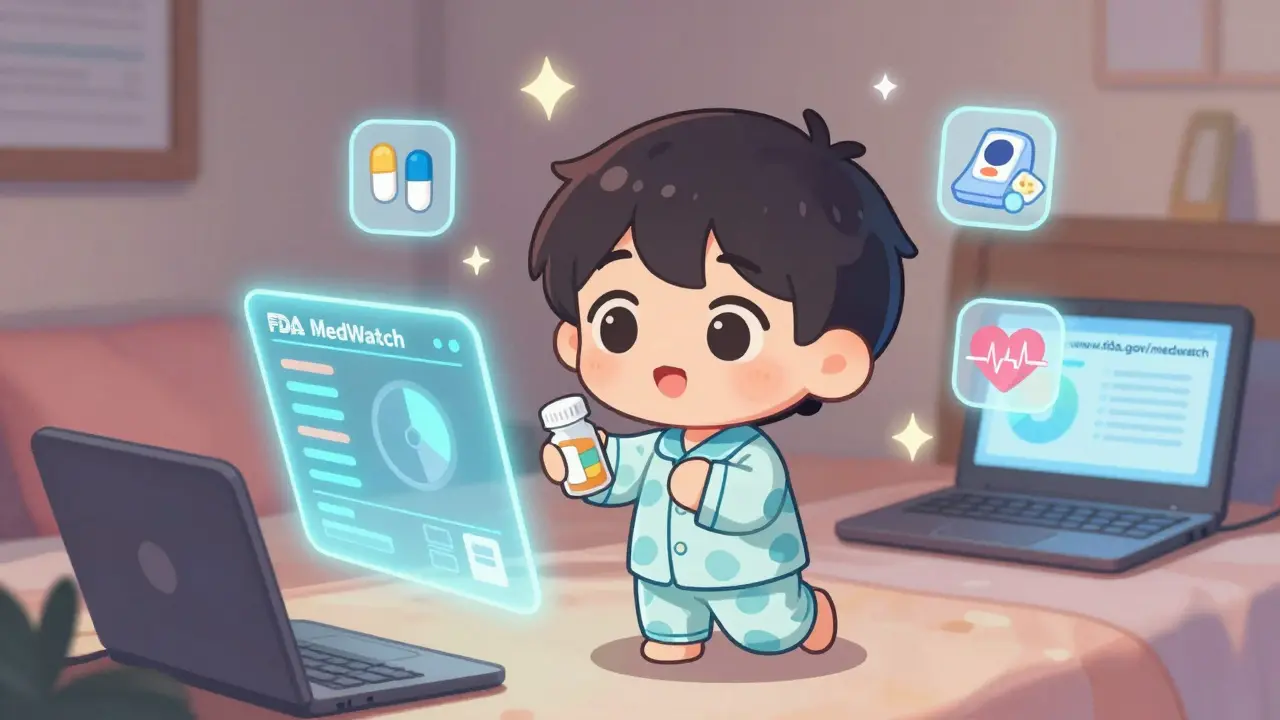
MedWatch is the FDA's system for tracking side effects and safety issues with drugs, devices, and cosmetics. Anyone can report problems, and these reports help the FDA issue warnings, update labels, or recall dangerous products.
read moreHow to Use Clinician Portals and Apps for Drug Safety Monitoring
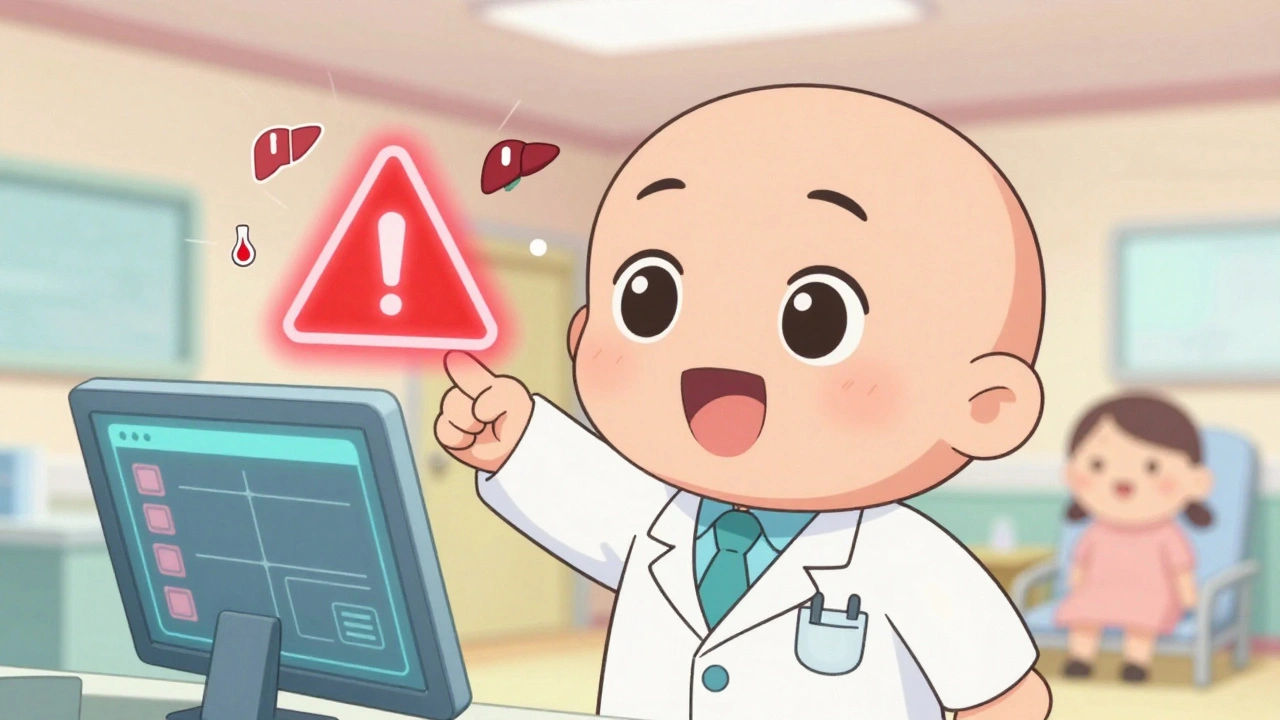
Learn how clinicians use secure portals and apps to detect and report adverse drug reactions in real time. From EHR-integrated alerts to AI-powered signal detection, discover the tools changing drug safety monitoring today.
read more