Drug Interactions: What You Need to Know About Medications That Clash
When you take more than one medication, your body doesn’t just treat them as separate things—it sees them as a team that might work together or clash. This is what we call drug interactions, when two or more drugs affect each other’s behavior in your body, changing how well they work or increasing side effects. Also known as medication interactions, these can be silent, dangerous, and often overlooked. You might not feel anything right away, but over time, a simple combo—like a heart pill and an antacid—can lower your drug’s effect, spike your risk of bleeding, or even trigger a dangerous heart rhythm.
One of the most common troublemakers is acid-reducing medications, like proton pump inhibitors (PPIs) used for heartburn, which can block your body from absorbing critical drugs like HIV meds, antifungals, and even some cancer treatments. Another major concern is anticoagulants, blood thinners like warfarin or DOACs, which interact with everything from antibiotics to herbal supplements, turning a routine surgery into a life-threatening event if not managed right. These aren’t rare edge cases—they show up in everyday prescriptions. A study in the Journal of the American Medical Informatics Association found that over 40% of adults on multiple meds had at least one potentially harmful interaction. And it’s not just about pills: your diet, supplements, even grapefruit juice can change how your drugs behave.
Some interactions are obvious—like mixing alcohol with sedatives. Others hide in plain sight. A common antibiotic might make your birth control useless. A daily aspirin could turn your blood thinner into a ticking time bomb. Even something as simple as taking your thyroid med with coffee or calcium can stop it from working. That’s why checking for interactions isn’t just a pharmacist’s job—it’s your responsibility too. You don’t need to memorize every drug name. But you do need to know: what are you taking? Why? And what else are you mixing it with?
Below, you’ll find real-world guides that cut through the noise. Learn how acid reducers sabotage absorption, why blood thinners need careful timing before surgery, how generic drugs can sometimes behave differently than brand names, and what to do when your insurance denies a needed medication. These aren’t theory pieces—they’re tools built from patient experiences, pharmacy errors, and clinical data. Whether you’re managing a chronic condition, caring for an aging parent, or just trying to avoid a bad reaction, this collection gives you the clear, no-fluff facts you need to stay safe.
Macrolides and QT-Prolonging Drugs: Understanding Arrhythmia Risks

Explore the risks of macrolide antibiotics and QT prolongation. Learn how drugs like clarithromycin affect heart rhythms and how to manage arrhythmia risks.
read moreRisks Associated with Any Medication or Dietary Supplement: What You Need to Know Before Taking Anything
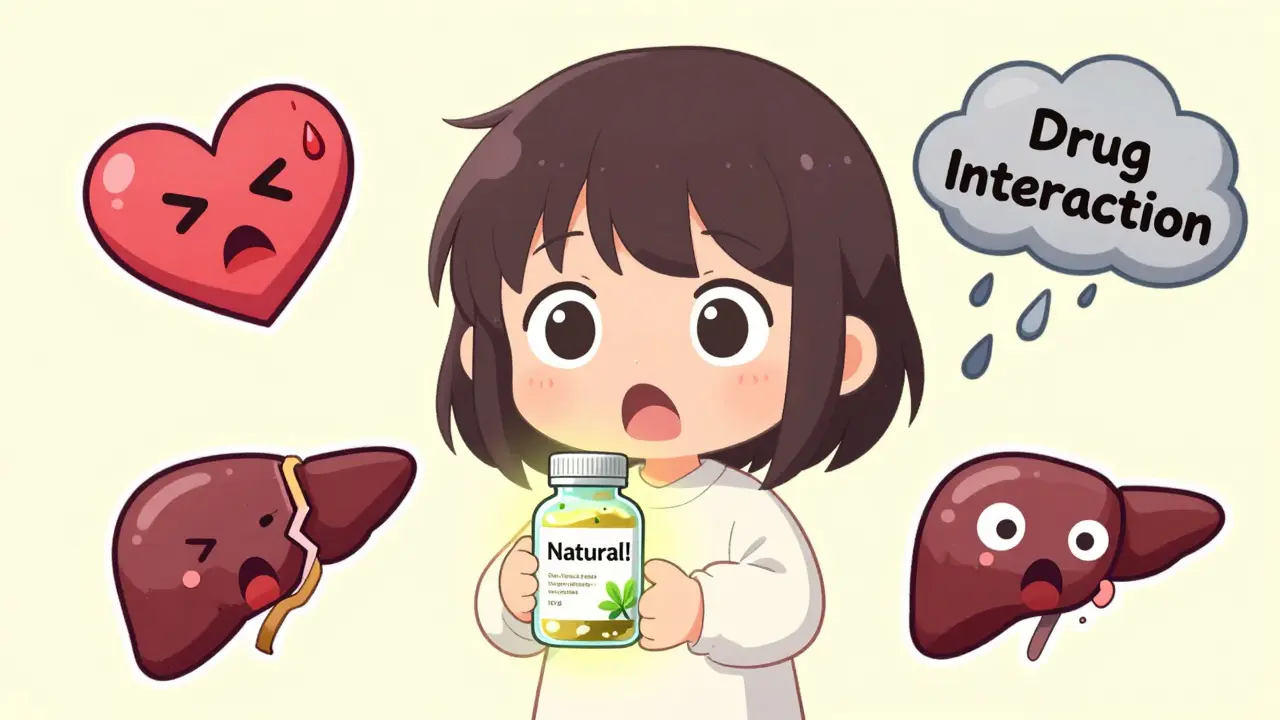
Medications and dietary supplements both carry hidden dangers. Many people don’t realize supplements can cause serious drug interactions, organ damage, or even death. Learn the real risks and how to protect yourself.
read moreHow to Reconcile Medications After Hospital Discharge to Avoid Dangerous Interactions
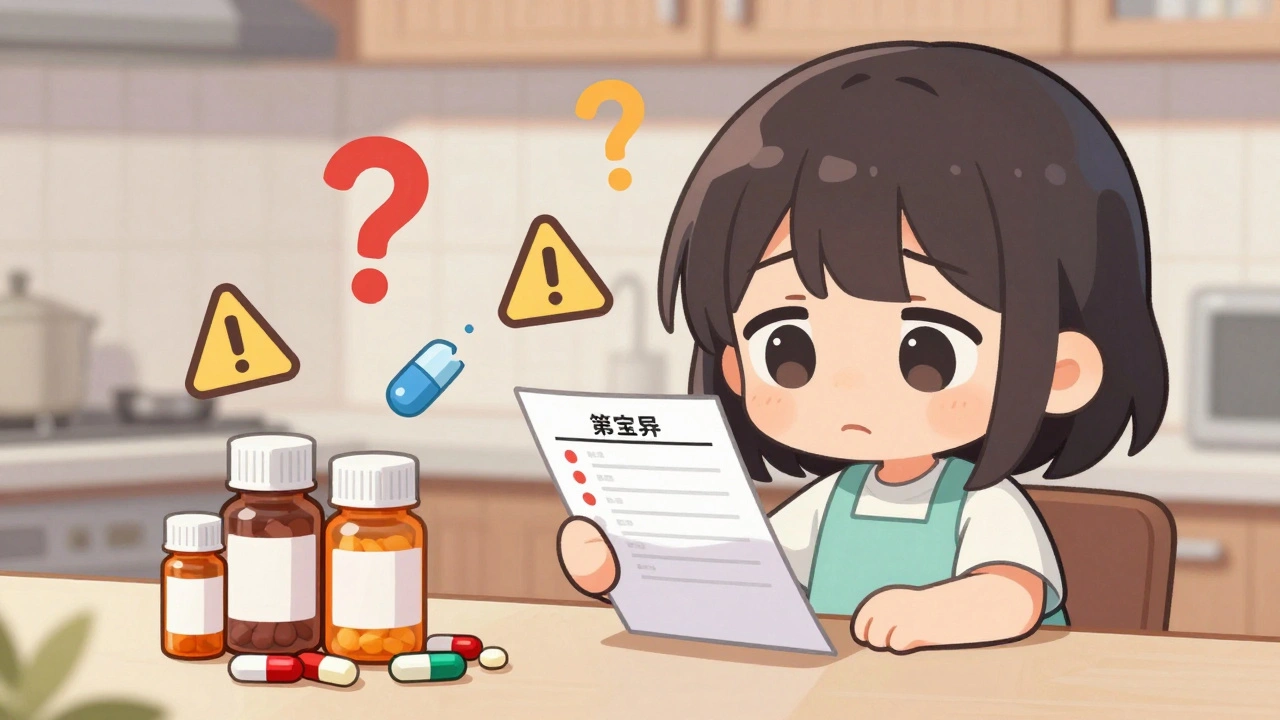
After hospital discharge, medication errors cause thousands of preventable readmissions. Learn how to reconcile your meds step by step to avoid dangerous drug interactions and stay safe at home.
read more