ANDA: What It Is and How It Shapes Generic Drug Access
When you pick up a generic pill at the pharmacy, chances are it got there through an ANDA, Abbreviated New Drug Application, the FDA’s streamlined process for approving generic versions of brand-name medications. Also known as generic drug application, it’s the legal and scientific bridge that lets safe, cheaper drugs reach millions without repeating costly clinical trials. Without ANDA, most generic medications wouldn’t exist—meaning higher prices, fewer options, and less access for people managing chronic conditions like diabetes, high blood pressure, or depression.
ANDA isn’t just paperwork. It’s a rigorous system that requires generic manufacturers to prove their product matches the brand-name drug in active ingredient, strength, dosage form, and how it’s absorbed by the body. The FDA doesn’t just accept claims—they test batches, inspect factories, and verify bioequivalence. That’s why a generic metformin tablet from one company works just like the brand version. But here’s the catch: ANDA doesn’t guarantee perfect quality. Some manufacturers cut corners, leading to cracked tablets, inconsistent dosing, or contamination. That’s why posts on generic drug defects and medication recalls matter—they show where the system can fail, even with oversight.
ANDA also shapes how insurance and employers control costs. Most health plans push generics because they’re cheaper—and ANDA makes that possible. But when a doctor writes "Do Not Substitute," it’s often because the patient’s condition is sensitive to tiny differences in how the drug behaves. That’s why therapeutic equivalence isn’t always enough. And when insurers deny coverage for a generic, it’s usually because they’re trying to steer you toward an even cheaper option on their formulary. That’s where insurance appeal guides come in.
The global impact of ANDA is huge. Countries like Australia use similar systems through their Pharmaceutical Benefits Scheme to keep drugs affordable. Meanwhile, in the U.S., the sheer volume of ANDAs filed every year keeps the generic market competitive. But it’s not perfect. Media stories about bad batches or recalls can make people distrust generics—even though 90% of them meet FDA standards. That’s why understanding ANDA helps you ask better questions: Is this generic safe? Why was it approved? And should I be worried about the lot number on my bottle?
What you’ll find below are real, practical guides on how ANDA affects your prescriptions—from how to check for recalls and spot manufacturing flaws, to how to fight insurance denials and use generics safely. These aren’t theory pieces. They’re tools you can use today to save money, avoid errors, and stay in control of your meds.
Hatch-Waxman Amendments: How Landmark Law Made Generic Drugs Possible
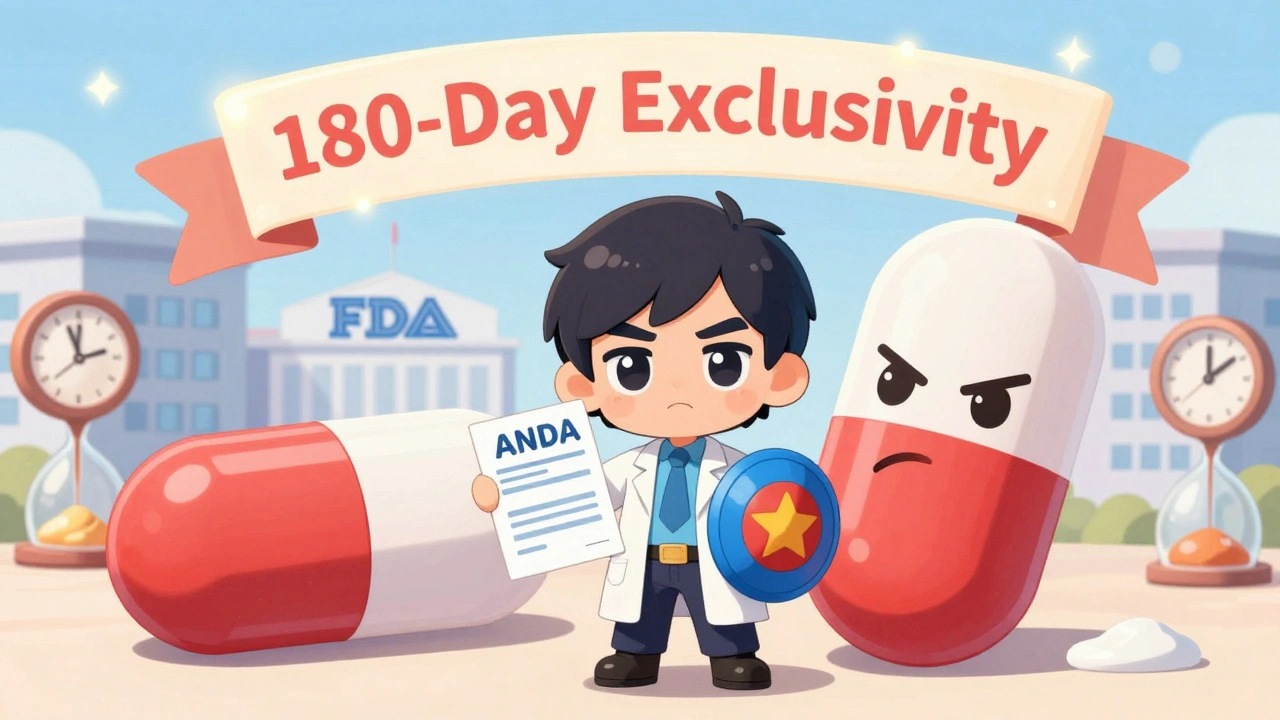
The Hatch-Waxman Act of 1984 created the modern system for generic drugs in the U.S., cutting approval costs and speeding access. It balanced brand-name patent protection with generic competition, leading to 90% of prescriptions now being filled with generics.
read moreRecent Post
-

Discovering 9 Alternatives to Alprazolam in 2025
Mar, 23 2025