Adverse Drug Reactions: What They Are, Why They Happen, and How to Stay Safe
When you take a medication, you expect it to help—not hurt. But adverse drug reactions, unintended and harmful responses to medications at normal doses. Also known as drug side effects, these reactions range from mild rashes to life-threatening heart rhythms or organ damage. They’re not rare. Every year, millions of people in the U.S. end up in the emergency room because of them. And many of these reactions happen because people don’t know what to watch for—or how to spot the warning signs early.
These reactions aren’t just about the drug itself. They’re shaped by drug interactions, when two or more medications change how each other works in your body. For example, acid-reducing pills like omeprazole can block the absorption of HIV meds or certain antibiotics. Or take QT prolongation, a hidden heart rhythm danger caused by over 200 common drugs, including some antibiotics, antidepressants, and antipsychotics. One wrong combo, and you’re at risk for a dangerous arrhythmia. Even generic drug safety, the quality and consistency of non-brand medications, plays a role. Manufacturing flaws like inconsistent dosing or contamination—though rare—can turn a safe drug into a hazard.
It’s not just about what’s in the pill. It’s about how you take it. After hospital discharge, medication errors spike—people forget what they’re on, mix up doses, or don’t realize a new drug clashes with an old one. Storing meds in hot bathrooms or leaving them in the car can break them down. Even something as simple as using a pill organizer wrong can lead to accidental overdoses. And if you’re on multiple prescriptions—especially for diabetes, kidney disease, or heart conditions—the risk grows fast.
But here’s the good news: most adverse drug reactions are preventable. You don’t need to be a doctor to protect yourself. You just need to know what questions to ask, what to look for, and how to spot trouble before it’s too late. Below, you’ll find real, practical guides on how to catch dangerous side effects, avoid deadly interactions, manage your meds safely at home, and understand why some drugs—even generics—can sometimes be riskier than they seem. No fluff. Just what works.
Medication Errors vs Drug Side Effects: How to Tell Them Apart and Why It Matters
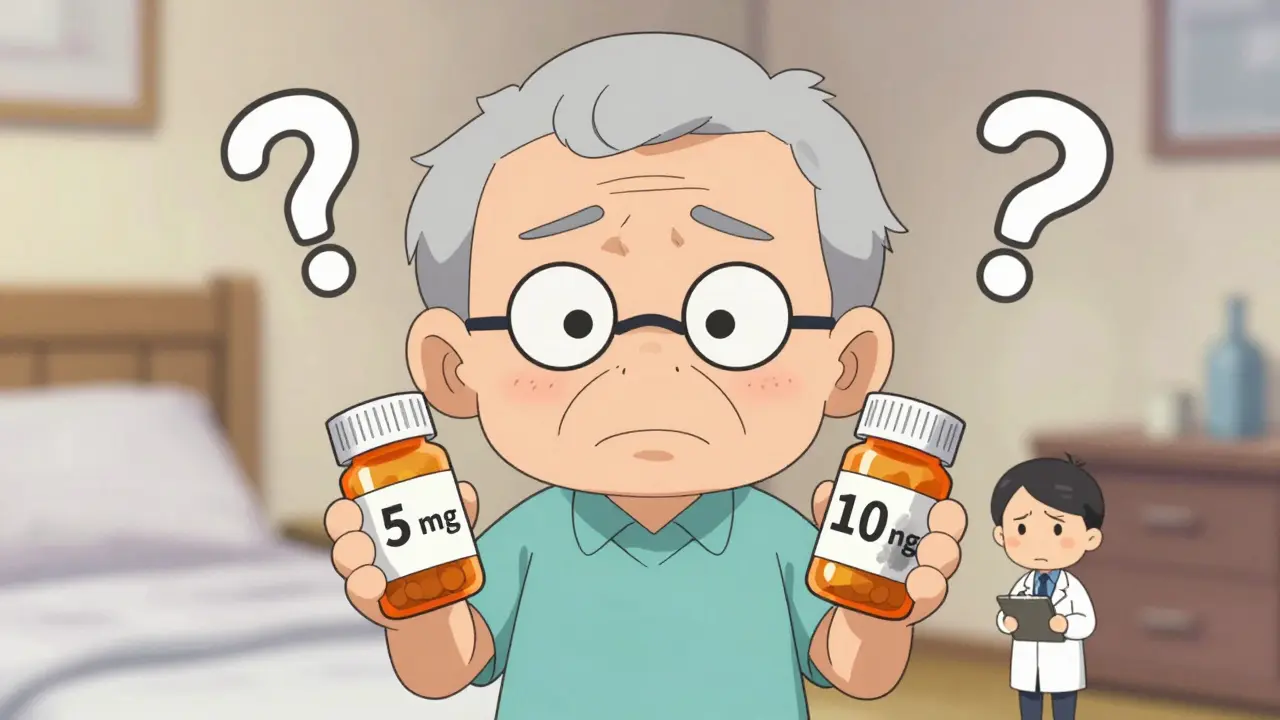
Learn how to tell the difference between preventable medication errors and unavoidable drug side effects. Knowing this can help you avoid harm and push for safer care.
read moreDrug Safety Signals and Clinical Trials: How Hidden Risks Emerge After Approval
Drug safety signals reveal hidden risks that clinical trials miss. Learn how real-world data uncovers dangerous side effects after approval-and why patient reports matter more than you think.
read moreHow to Use Clinician Portals and Apps for Drug Safety Monitoring
Learn how clinicians use secure portals and apps to detect and report adverse drug reactions in real time. From EHR-integrated alerts to AI-powered signal detection, discover the tools changing drug safety monitoring today.
read moreRecent Post
-

Discovering 9 Alternatives to Alprazolam in 2025
Mar, 23 2025