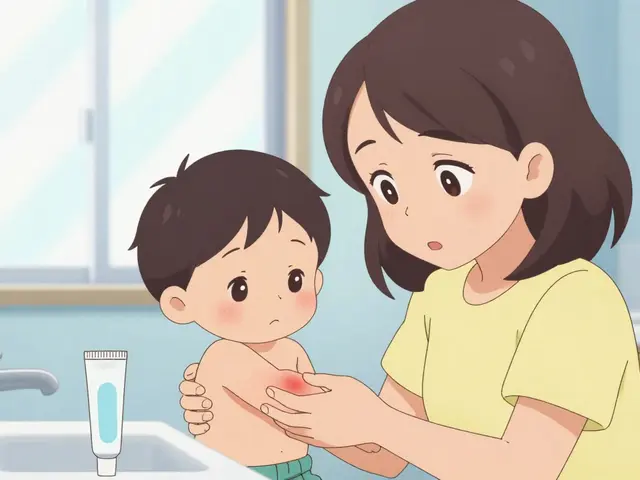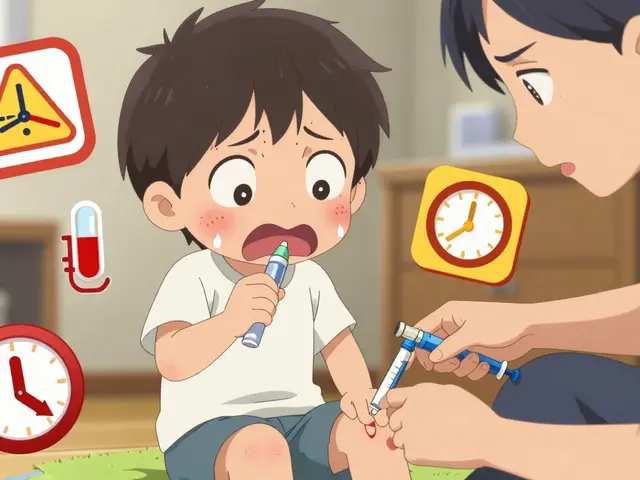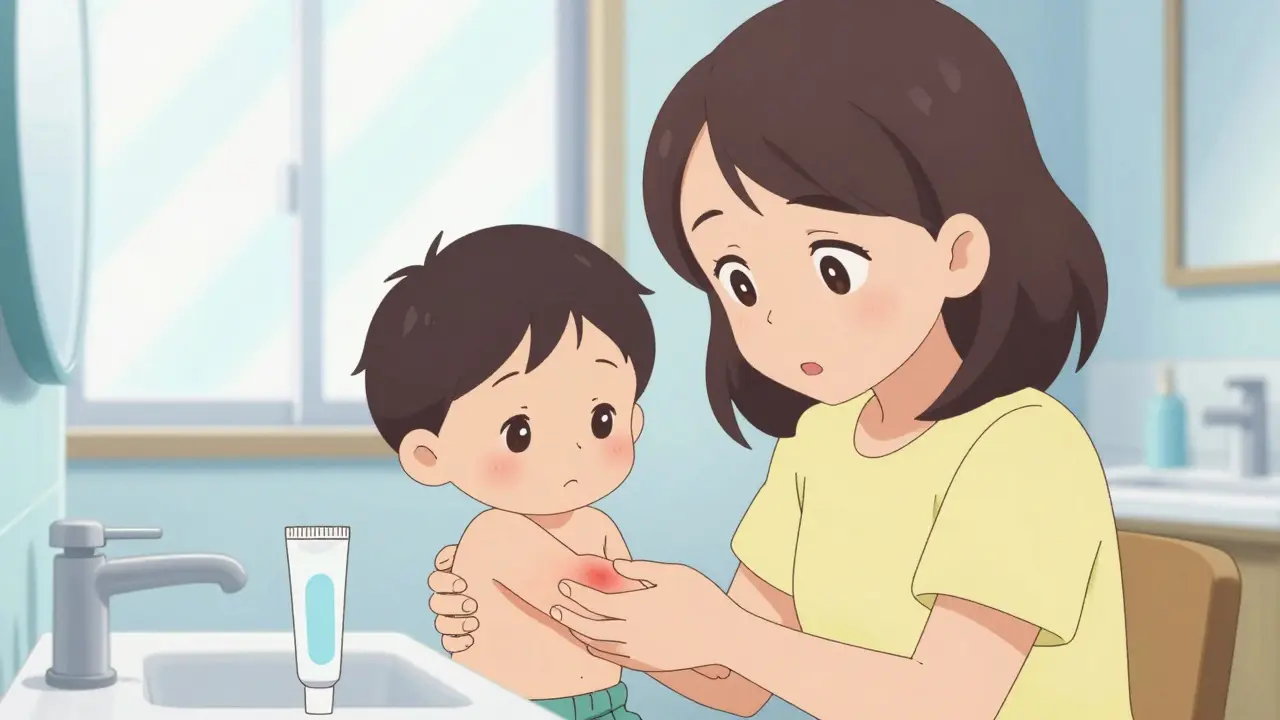
Applying a cream to your child’s rash seems harmless enough. After all, it stays on the skin, right? Wrong. Children’s skin is not just smaller adult skin; it is fundamentally different. It is thinner, more permeable, and absorbs medication up to five times faster than adult skin. This biological reality turns standard over-the-counter creams into potential health hazards if used incorrectly. In fact, topical medications for children account for thousands of emergency room visits annually, often due to simple misunderstandings about dosage and absorption.
You might think that because these products are available without a prescription, they are inherently safe. However, data from the American Academy of Pediatrics shows that medication errors involving topical applications lead to approximately 6,500 emergency department visits for children under five every year in the United States alone. The stakes are high, but the good news is that most of these incidents are preventable with proper knowledge and caution.
Why Children’s Skin Reacts Differently
To understand why you need to be careful, you first need to understand the biology. Infants and young children have a higher surface-area-to-body-weight ratio compared to adults. Think of it this way: if you apply a certain amount of medicine to an adult’s arm, it covers a large area relative to their body mass. If you apply the same amount to a baby’s arm, that same concentration hits a much smaller system. Furthermore, the stratum corneum, which is the outermost layer of the skin acting as a barrier, is thinner in children. This immature barrier allows drugs to slip through into the bloodstream much more easily.
The risk peaks in infants under one year old. Their skin barrier function is still developing, making them the most susceptible group for systemic absorption. For example, lidocaine, a common numbing agent, absorbs at only 3% through intact adult skin. But on damaged or inflamed skin-common in conditions like eczema-that rate jumps to 60%. This rapid entry into the bloodstream can lead to serious side effects, including seizures, before you even realize the medication has moved beyond the surface.
| Medication Type | Intact Skin Absorption | Damaged/Inflamed Skin Absorption | Risk Level in Infants |
|---|---|---|---|
| Lidocaine (Anesthetic) | 3% | 60% | High |
| Class I Corticosteroid | <1% | 10-20% | Moderate to High |
| Benzocaine (Teething Gel) | Variable | High | Critical (Avoid under 2) |
The Danger of Occlusion
One of the biggest mistakes parents make is covering treated areas with plastic wrap, bandages, or tight clothing. This practice, known as occlusion, forces the medication deeper into the skin. Studies show that using occlusive materials like Tegaderm or Saran Wrap can increase drug absorption by 300% to 500%. While doctors sometimes prescribe this method for specific severe conditions under strict supervision, doing it at home without guidance is dangerous.
If your child has atopic dermatitis (eczema), their skin is already compromised. Inflamed skin can absorb medication 10 to 15 times more readily than healthy skin. Combining this natural vulnerability with occlusion creates a perfect storm for systemic toxicity. Always apply creams as directed, leave them uncovered unless specifically instructed otherwise by a pediatrician, and never assume that "more coverage" equals "better healing."

Hidden Risks in Common Products
Not all topical medications carry the same weight of risk. Understanding the specific dangers of common categories helps you make safer choices.
Topical Corticosteroids: These are widely prescribed for rashes and eczema. However, potent steroids (Class I-II) can suppress the hypothalamic-pituitary-adrenal (HPA) axis in children. This suppression affects how the body produces its own stress hormones. A 2022 systematic review found that very potent steroids caused HPA axis suppression in 15.8% of pediatric patients, compared to just 2.3% for low-potency options. The rule of thumb is simple: use the lowest potency effective for the shortest duration possible. Applying a thick layer of hydrocortisone to 20% of an infant’s body can suppress their adrenal function as effectively as oral prednisone.
Benzocaine Teething Gels: The U.S. Food and Drug Administration (FDA) explicitly prohibits benzocaine-containing products for children under two years old. Why? Because benzocaine can cause methemoglobinemia, a condition where the blood loses its ability to carry oxygen. Symptoms include blue-tinged skin, drowsiness, and breathing difficulties. Oxygen saturation levels can drop dangerously low within 15 to 30 minutes of application. Since 2006, there have been over 400 documented cases of this reaction in children. Safer alternatives exist, such as chilled rubber teethers, which carry zero risk of systemic toxicity.
Local Anesthetics (Lidocaine/Dibucaine): Due to past fatalities from accidental ingestion, the Consumer Product Safety Commission (CPSC) mandated child-resistant packaging for products containing more than 0.5 mg of lidocaine or dibucaine in 1994. Despite this, ingestion remains a risk. If you must use these for procedural pain (like needle sticks), follow hospital protocols strictly: limit application to 30-60 minutes before the procedure and remove the excess immediately after.
How to Apply Medication Safely
Precision matters. Guessing how much cream to use leads to overdosing. The American Academy of Pediatrics recommends using the "fingertip unit" (FTU) method. One FTU is the amount of cream squeezed from a standard tube in a line from the tip of your index finger to the first crease. This amounts to roughly 0.5 grams of medication and covers an area equivalent to two adult palm sizes.
For a typical 10kg child, the maximum daily dose for topical corticosteroids should not exceed 2 grams total. Additionally, you should never treat more than 10% of the child’s body surface area at one time without medical supervision. Here is a practical checklist for application:
- Wash your hands before and after applying medication.
- Apply a thin layer only to the affected area, not surrounding healthy skin.
- Avoid broken, open, or heavily inflamed skin unless directed by a doctor.
- Do not cover the area with plastic wrap or tight bandages unless prescribed.
- Use the fingertip unit measure to ensure consistent dosing.
Storage and Prevention Strategies
Accidental ingestion is a leading cause of topical medication emergencies. According to the American Association of Poison Control Centers, 78% of pediatric exposures happen when products are left accessible after parental use. It is easy to put a jar of cream down on the counter while helping your child dress, but seconds count.
Always return medications to their original child-resistant containers immediately after use. Store them in a locked cabinet or a high shelf that is out of reach. Even if a container says "child-resistant," determined toddlers can eventually open them. The best defense is physical distance. Furthermore, be wary of "prescription sharing." Nearly 19% of households report sharing topical medications among relatives. Never share prescriptions, as what worked for an adult or an older sibling may be toxic to a younger child.
When to Seek Emergency Help
Knowing the signs of toxicity can save a life. If you suspect your child has absorbed too much medication or ingested a topical product, watch for these red flags:
- Cyanosis: Blue or gray tint to the lips, fingernails, or skin (sign of methemoglobinemia).
- Respiratory Distress: Rapid, shallow, or difficult breathing.
- Neurological Changes: Extreme drowsiness, confusion, tremors, or seizures.
- Gastrointestinal Issues: Vomiting or abdominal pain after ingestion.
If any of these symptoms appear, seek immediate medical attention. Do not wait to see if they pass. In cases of benzocaine toxicity, specific antidotes like methylene blue are required, which only hospitals can administer.
Is it safe to use hydrocortisone cream on my baby?
Low-potency hydrocortisone (Class VII) is generally considered safer than stronger steroids, but it should still be used with caution. Limit application to small areas and short durations (no more than 7 days). Avoid using it on the face, groin, or armpits unless directed by a pediatrician, as these areas absorb medication more rapidly. Always consult your doctor before starting any steroid treatment on an infant.
What should I do if my child eats a piece of medicated cream?
First, check the packaging for the type of medication. If it contains benzocaine, lidocaine, or strong steroids, call Poison Control immediately (in the US, 1-800-222-1222) or your local emergency number. Do not induce vomiting unless instructed by a professional. Monitor your child closely for signs of drowsiness, difficulty breathing, or skin discoloration.
Can I use adult sunscreen or insect repellent on my toddler?
While many sunscreens and repellents are similar, formulations vary. Some ingredients like DEET or picaridin have age restrictions (usually not recommended for children under 2 months). Sunscreens with zinc oxide or titanium dioxide are often preferred for young children due to lower absorption rates. Always read the label for age-specific warnings and choose products labeled "pediatric" or "for sensitive skin" when possible.
Why is benzocaine banned for teething babies?
Benzocaine carries a high risk of causing methemoglobinemia, a rare but serious blood disorder that reduces oxygen delivery to tissues. Babies under two years old are particularly vulnerable because their blood chemistry is different. The FDA has issued black box warnings against its use in this age group due to numerous reported cases of life-threatening oxygen deprivation.
How do I know if a topical steroid is too strong for my child?
Steroids are classified into seven groups based on potency. Class I and II are very potent and should generally be avoided in young children except under strict specialist care. Class VI and VII are low potency and safer for occasional use. If you notice skin thinning, stretch marks, or worsening rashes, the medication may be too strong or being used too long. Consult your pediatrician to switch to a milder alternative.