Using a pill organizer can save your life-if you use it right. But too many people make simple mistakes that turn a safety tool into a danger zone. Every year, thousands end up in the hospital because they took the wrong pill at the wrong time. Some doubled up on painkillers. Others took blood pressure meds twice by accident. And a lot of them were using a pill organizer-exactly the kind of device meant to prevent these errors.
Why Pill Organizers Can Cause Overdoses (Not Prevent Them)
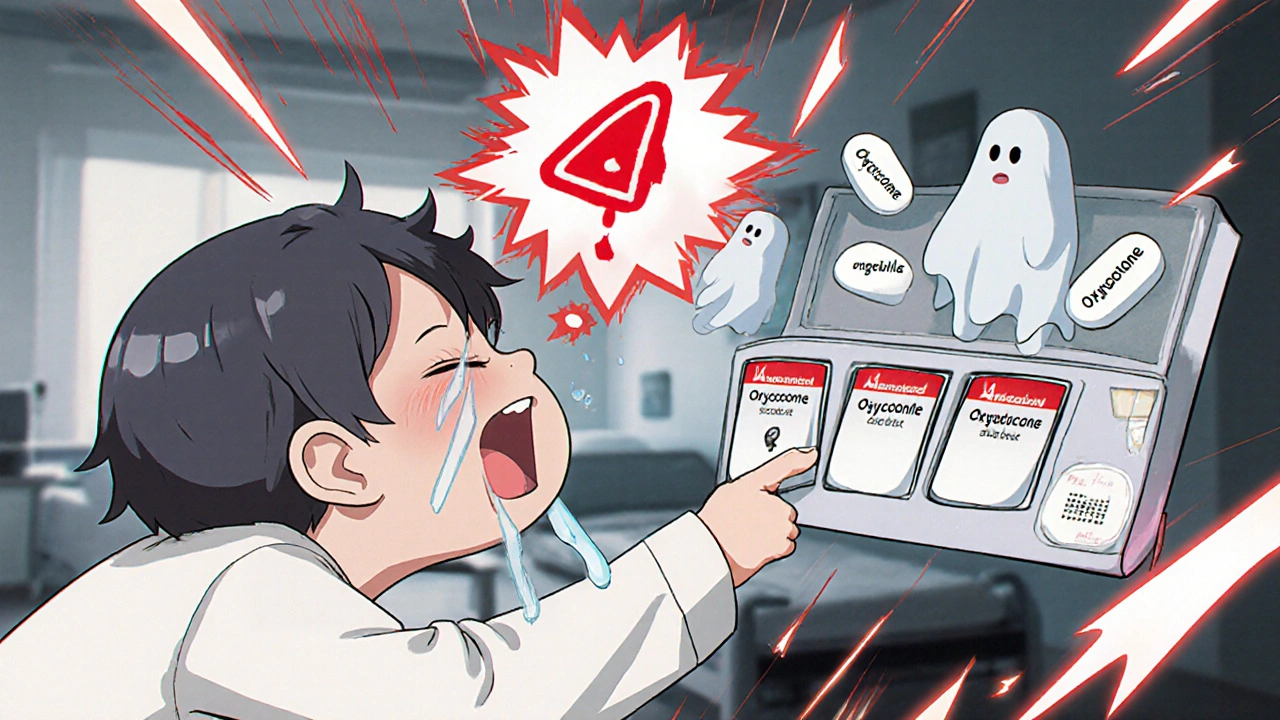
Pill organizers aren’t magic. They don’t know what’s inside them. If you dump all your meds into compartments without checking, you’re just moving the risk around. The CDC says medication errors cause over 7,000 deaths a year in the U.S. alone. A 2022 study in the Journal of the American Geriatrics Society found that improper use of pill organizers actually increases overdose risk by 23% in older adults. That’s not a typo. The tool meant to help is hurting people because it’s being used wrong. The biggest mistake? Putting "as needed" meds like painkillers or anxiety pills into daily compartments. People forget they’re not scheduled. They see a pill in the morning slot, think, "I need this," and take it-even if they already took it yesterday. One Reddit user shared how their mom took three doses of oxycodone in one day because it was in the "Monday AM" slot. She ended up in the ER. That’s not rare. It’s the #1 cause of pill organizer overdoses.What Kind of Pill Organizer Should You Use?
Not all pill boxes are made the same. A basic $5 weekly organizer with four compartments (morning, noon, evening, bedtime) works fine for most people. But if you’re on more than five medications, you need something better. Look for:- Clear, large labels for each time of day
- Child-resistant lids (ASTM F3130-15 standard)
- Compartment lids that snap shut tightly
- Moisture-resistant plastic (not cheap, flimsy material)
What Medications Should NEVER Go in a Pill Organizer?
Some pills don’t belong in organizers. Ever.- PRN (as-needed) medications: Painkillers, anti-anxiety pills, sleep aids. Keep these in their original bottles, labeled clearly, and store them separately.
- Refrigerated meds: Insulin, some antibiotics, biologics. Heat and humidity ruin them. Don’t store them in your bathroom cabinet or on the kitchen counter.
- Chewable, dissolvable, or soft gel capsules: These stick together, break apart, or lose potency when moved from their blister packs.
- Medications with special storage needs: Check the label. If it says "protect from moisture" or "store below 77°F," keep it in the original container.
The 5-Step Safe Filling Protocol
Filling your pill organizer isn’t a chore. It’s a safety ritual. Do it right, and you’ll avoid 90% of errors. Here’s the exact process used by pharmacists and hospitals:- Get your current medication list. Go to your doctor’s portal or call your pharmacy. Don’t use last month’s list. Medications change. Doses change. You need the current one.
- Wash your hands. Use soap and water for 20 seconds. This isn’t optional. Dirt, residue, or oils can contaminate pills.
- Keep original bottles out and open. Place each bottle next to its matching compartment. Never fill from memory.
- Fill one medication at a time. Take one pill type, count how many you need for the week, and fill only that one. Then move to the next. This stops you from mixing up pills.
- Triple-check before closing. Look at your medication list → check the bottle label → verify the compartment. Do this for every single pill.
Where to Store Your Pill Organizer (And Where NOT To)
Your bathroom is the worst place. Steam from showers degrades pills. Humidity makes them stick, crumble, or lose strength. Kaiser Permanente found that pills stored in bathrooms degrade 47% faster than those kept in a cool, dry place. Store your organizer:- In a drawer in your bedroom
- On a shelf in your kitchen (away from the stove or sink)
- Inside a cabinet with a latch (if you have kids or pets)
How to Avoid Mistakes After You Fill It
Filling it right is half the battle. The other half is using it right.- Always check before you take a pill. Even if you filled it yourself. Look at the color, shape, size. If it doesn’t match what’s on the bottle, don’t take it.
- Set phone alarms 15 minutes before each dose. This gives you time to verify, not just react. WebMD found this cuts verification errors by 44%.
- Keep a written log. Write down the date and time you filled your organizer. If you miss a dose, you’ll know it wasn’t your fault-it was the system.
- Never refill without checking your list. 28% of errors happen when people refill using old labels instead of the current prescription. Your doctor changed your dose? Your organizer doesn’t know.
When to Ask for Help
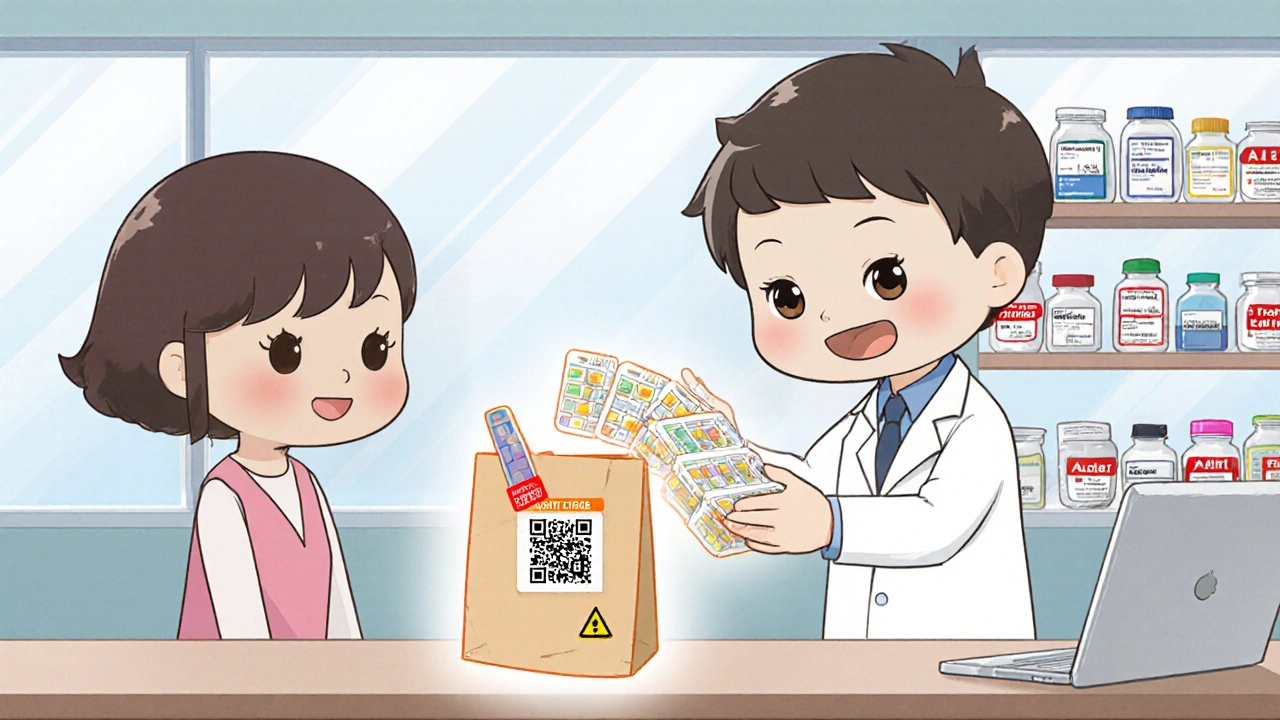
You don’t have to do this alone. Most pharmacies now offer free organizer filling services. CVS, Walgreens, and other chains will fill your organizer for you-with a pharmacist double-checking every pill. In 2023, 68% of U.S. pharmacies started offering this. It cuts errors by 52%. If you’re caring for someone elderly, confused, or on more than five meds, ask your doctor for a referral to a medication therapy management (MTM) program. Medicare covers it for people with four or more chronic conditions. And if you ever feel unsure-call your pharmacist. They’re paid to help you stay safe. Don’t wait until you’ve taken the wrong pill.What’s Next? Smart Organizers and Future Safety
New tech is coming. Hero Health’s latest organizer tracks how many times a compartment opens. If it opens twice in four hours, it sends an alert to your phone. Pfizer is testing QR codes on lids that link to videos explaining what the pill is and why you take it. By 2027, nearly half of all pill organizers will have some kind of smart feature. But here’s the truth: technology won’t fix bad habits. A smart box won’t stop you from putting painkillers in the Monday AM slot. You still have to follow the rules. The best tool is still the one you use correctly: a simple organizer, filled slowly, checked twice, stored safely, and never trusted blindly.Can I put all my pills in one organizer?
No-not all of them. Avoid putting "as needed" meds like painkillers, sleep aids, or anxiety pills into daily compartments. Keep those in their original bottles. Also avoid refrigerated meds, chewables, and soft gels. Only solid pills that don’t need special storage belong in organizers.
How often should I refill my pill organizer?
Fill it once a week, on the same day each week-like every Sunday morning. This builds a routine. Never refill from memory. Always use your current medication list and check each bottle before you fill.
Is it safe to store my pill organizer in the bathroom?
No. Bathrooms are too humid. Steam from showers can damage pills, making them stick, crumble, or lose potency. Store your organizer in a cool, dry place like a bedroom drawer or kitchen cabinet-not near the sink or shower.
What should I do if I accidentally take a double dose?
Call your pharmacist or poison control immediately. Don’t wait for symptoms. Have your medication list ready. They’ll tell you if you need medical help. Keep the original bottle and organizer handy-they’ll need to know what you took and how much.
Can my pharmacist fill my pill organizer for me?
Yes. Most major pharmacies in the U.S. offer free organizer filling services with pharmacist verification. This reduces errors by over 50%. Ask at your local CVS, Walgreens, or independent pharmacy. Some even deliver filled organizers to your home.






Shivam Goel
November 24, 2025 AT 17:02Let’s be real: pill organizers are a trap for the elderly, the distracted, and the overconfident. The CDC data? Understated. I’ve seen cases where people took 14 doses of metoprolol because they didn’t realize the "AM" slot was for the whole week-not per day. And no, alarms don’t help if you’re mentally checked out. The real problem? We treat medication like a spreadsheet, not a biological contract.
Amy Hutchinson
November 26, 2025 AT 01:29my aunt took 3 oxycodone in one day because she thought the organizer "knew" what she needed. she’s fine now but i swear i cried for 3 hours. why do we trust plastic boxes more than our own brains??
Archana Jha
November 27, 2025 AT 20:54you know who really controls the pill organizers? the pharmaceutical companies. they designed them to make you think you’re safe so you’ll keep buying meds. the moisture-resistant plastic? that’s to keep the pills potent so you stay hooked. and the alarms? they’re tracking your habits for insurance data. they want you dependent. not safe.
Aki Jones
November 28, 2025 AT 19:33Let’s not romanticize the "simple organizer." The fact that 68% of errors occur because users trust the alarm, not the contents, proves systemic cognitive dissonance. We outsource agency to devices, then blame the tool. The real pathology? The illusion of control. This isn’t about pill boxes-it’s about our pathological surrender to automation. And yes, I’ve published peer-reviewed papers on this.
Jefriady Dahri
November 29, 2025 AT 00:25you’re not alone!! 🙌 i filled my mom’s organizer last week and we did the 5-step thing-washed hands, bottles out, triple-checked. she cried and said "i finally feel like i’m not a burden." small wins matter. you’re doing great. 💪
Andrew McAfee
November 30, 2025 AT 14:23my grandma keeps hers on the windowsill. says the sun reminds her to take her meds. she’s 92. she’s fine. you people overthink everything
Andrew Camacho
November 30, 2025 AT 15:55THIS IS WHY AMERICA IS DYING. You let a $5 plastic box decide whether you live or die? You don’t even check the label? You’re not just careless-you’re a liability. And now you want tech to fix it? No. We need accountability. Someone should be fined for this. Someone. ALWAYS.
Elise Lakey
December 2, 2025 AT 01:25i’ve been using a pill organizer for 3 years and never had an issue-but i only put in my daily meds. the prn ones? always in the original bottle, next to my coffee maker. i still check the label every time. it’s not hard, just… intentional. i wonder how many people even know what "prn" means?
Sharley Agarwal
December 3, 2025 AT 08:37you’re all delusional. if you need a system to take pills, you shouldn’t be managing them. get a caregiver. or stop pretending you’re independent.
Leisha Haynes
December 3, 2025 AT 11:17so we’re supposed to spend 45 minutes every sunday filling a box… but no one’s gonna help you if you forget? thanks for the guilt trip, doctor
Timothy Sadleir
December 3, 2025 AT 13:50It is a fundamental epistemological failure to conflate mechanical organization with biological compliance. The pill organizer, as a physical artifact, possesses no ontological capacity for therapeutic intentionality. Therefore, its utility is contingent upon the user’s adherence to a priori pharmacological discipline. One cannot outsource responsibility to inert matter. The error lies not in the container, but in the anthropological assumption of mechanistic substitution.
Shirou Spade
December 3, 2025 AT 21:19we think we’re controlling our health with these boxes-but really, we’re just trying to make our own mortality feel less chaotic. the organizer is a ritual. not a solution. we’re not afraid of taking the wrong pill-we’re afraid of forgetting we’re dying.
Lisa Odence
December 4, 2025 AT 00:53Did you know that the FDA has issued 12 warning bulletins since 2020 regarding pill organizer-related medication errors? And yet, only 14% of pharmacies provide pharmacist-filling services? That’s a systemic failure. And the fact that 68% of users don’t verify contents before taking? That’s not negligence-it’s cultural. We’ve normalized medical apathy. This isn’t about storage. It’s about the collapse of medical literacy. 💊🧠📉
Patricia McElhinney
December 4, 2025 AT 19:46Why are you all so lazy? It’s not rocket science. You put the wrong pill in? That’s your fault. You didn’t check the label? That’s your fault. You didn’t ask your pharmacist? That’s your fault. Stop blaming the organizer. Stop blaming the system. Stop blaming the tech. It’s YOU. And if you can’t follow five steps, maybe you shouldn’t be living alone.
Karen Willie
December 5, 2025 AT 12:03Thank you for writing this. My mom’s pharmacist fills her organizer every Sunday now-and she doesn’t have to remember anything. I used to do it, but I’d get distracted. Now she has a pharmacist double-checking everything. It’s not about being perfect. It’s about having someone who cares enough to check. That’s the real safety net.