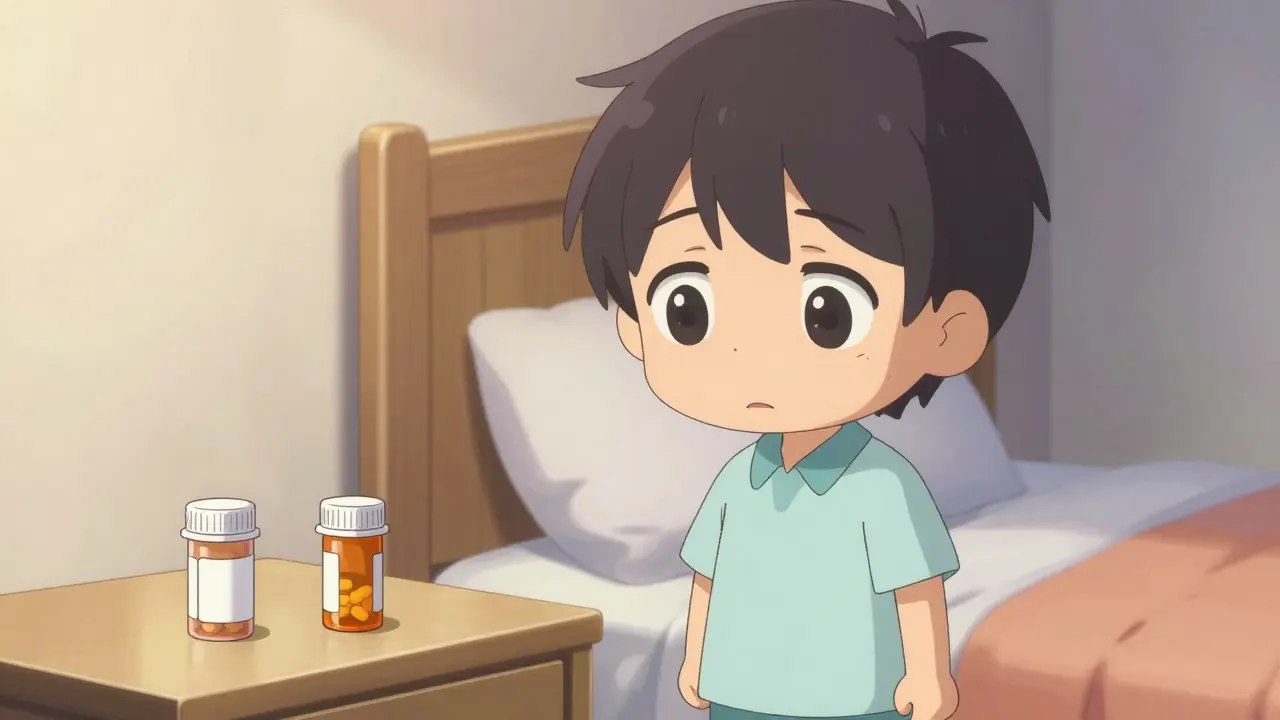
Imagine finding two empty pill bottles on your parent's nightstand when they only take one daily dose. Or noticing that their blood pressure readings are dangerously low after a routine visit from the home health aide. These aren't just minor oversights; they are potential medication errors, which remain a leading cause of hospitalization for older adults. If you care for an aging parent or grandparent, knowing how to spot these mistakes and exactly who to call can mean the difference between a manageable issue and a life-threatening emergency.
The stakes are high. According to data from the Centers for Disease Control and Prevention (CDC), medication errors are the fourth leading cause of death among older adults. With the average person over 65 taking five or more prescriptions-a condition known as polypharmacy-the risk skyrockets. This guide cuts through the medical jargon to give you a practical, step-by-step plan for identifying red flags and reporting them effectively to protect your loved one.
Spotting the Red Flags: What Medication Errors Look Like
You don’t need a nursing degree to notice when something is wrong. Most medication errors fall into specific categories that leave visible traces. The most common mistake, accounting for nearly 43% of errors in long-term care settings, is the wrong dosage. This means your loved one received too much or too little of a drug. Watch for sudden drowsiness, confusion, or falls if the dose was too high, or worsening symptoms of their condition if it was too low.
Another frequent error is giving the wrong medication entirely. This often happens with drugs that look similar or have similar names, such as Lisinopril and Losartan. Check the prescription label against the bottle every time. You might also encounter administration errors, where a pill meant to be taken with food is given on an empty stomach, causing nausea, or a liquid medication is poured incorrectly.
- Duplicate Prescriptions: Is your parent taking acetaminophen under a brand name like Tylenol AND a generic pain reliever? This is a common prescribing error.
- Expired Drugs: Check the expiration dates on all bottles. Facilities sometimes use old stock first.
- Missed Doses: Did the nurse document that a heart medication was given, but your parent says they didn't receive it? "Ghost dosing"-marking a med as given without administering it-is a serious breach of trust and safety.
The Polypharmacy Problem: Why Seniors Are at Higher Risk
Why do these errors happen so often? It comes down to physiology and complexity. As we age, our kidneys and liver process drugs more slowly. A dose that is safe for a 40-year-old can be toxic for an 80-year-old. This is why the American Geriatrics Society Beers Criteria® exists. It lists medications that are potentially inappropriate for older adults due to increased sensitivity.
However, many doctors still prescribe these high-risk drugs. In fact, studies show that nearly 44% of Medicare beneficiaries aged 65+ are prescribed at least one potentially harmful medication. When you add cognitive impairment or hearing loss into the mix, the patient may not realize they’ve been given the wrong pill. They might swallow it without question, assuming the professional knows best. This is why external oversight from a family member is critical.
| Error Type | Frequency | What to Look For |
|---|---|---|
| Wrong Dosage | 42.7% | Sudden dizziness, extreme fatigue, or unchanged symptoms |
| Wrong Time/Rate | 23.1% | Meds given at dinner instead of breakfast; IVs running too fast |
| Wrong Medication | 15.8% | Pill shape/color doesn't match the pharmacy bag |
| Incorrect Technique | 12.3% | Inhaler used wrong; cream applied to open wound |
Immediate Steps: How to Secure Evidence
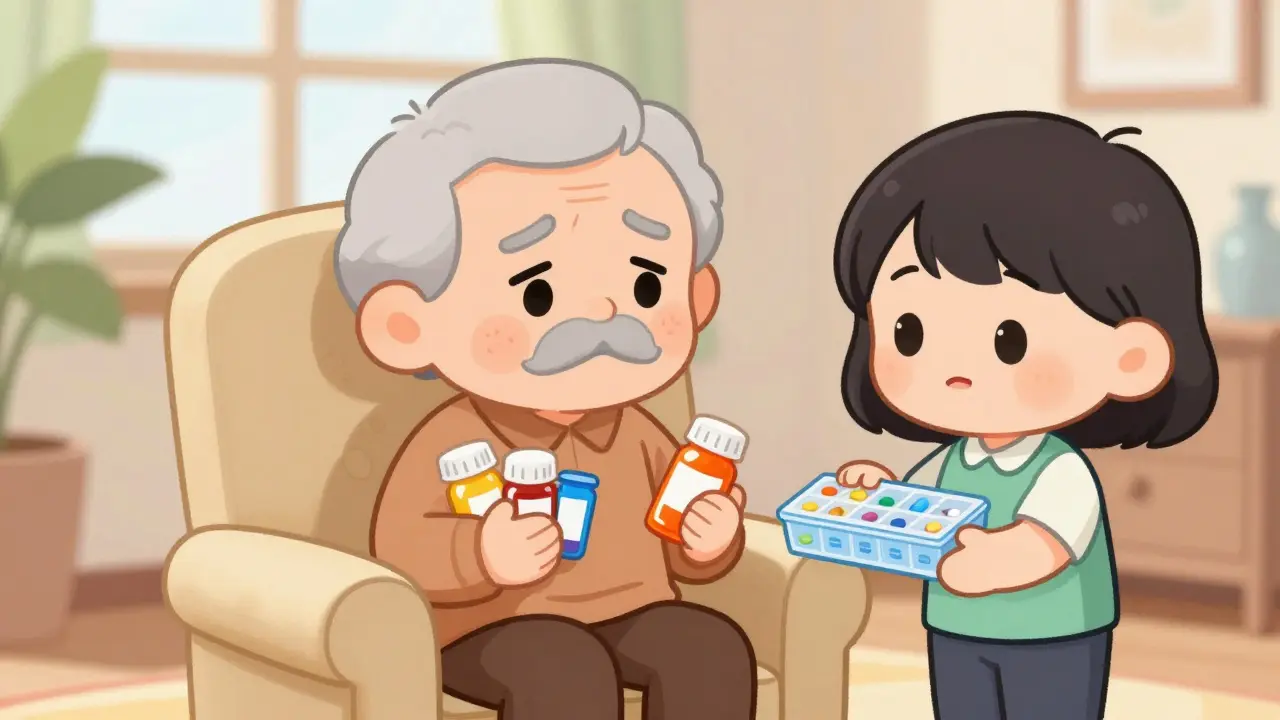
If you suspect an error, your first instinct might be to confront the staff immediately. While getting answers is important, securing evidence is crucial for any formal report. Do not throw away anything. Keep the pill bottles, the packaging, and any leftover pills. Take photos of the medication cart if you are in a facility, focusing on the labels and the arrangement.
Document everything in a log. Write down the date, time, who administered the drug, what they said, and how your loved one reacted. If your parent is confused, note their baseline behavior versus their current state. For example, "Usually alert at 2 PM, but now slurring words after receiving new blood pressure med." This timeline helps investigators connect the dots between the error and the harm.
Who to Call: Reporting Channels Explained
Reporting isn't just about blame; it's about preventing the next victim. There are different levels of reporting depending on the severity and setting.
1. Internal Facility Reporting: Start with the charge nurse or administrator. Ask for an incident report to be filed. Under federal law, facilities must investigate complaints. However, be aware that internal reports are often kept private. If you feel ignored, move to external agencies.
2. State Long-Term Care Ombudsman: This is your most powerful ally in nursing homes. The Long-Term Care Ombudsman Program is a federally funded, locally operated advocacy service. They are independent and trained to handle abuse and neglect cases, including medication errors. You can find your local ombudsman by calling 1-800-677-1116. They can intervene quickly, often resolving issues within 72 hours.
3. Regulatory Bodies:
- FDA MedWatch: Use this for adverse events related to the drug itself or manufacturing defects. It’s online at fda.gov/medwatch.
- State Department of Health: File a complaint here for licensing violations. In California, you have 24 hours to report certain serious incidents; in New York, it’s 48 hours.
- Joint Commission Sentinel Event System: For hospitals, serious events like medication-related deaths must be reported here.
Prevention Tools: Taking Control of Medication Safety
You can reduce risk by implementing simple systems. The gold standard is the "Five Rights": Right Patient, Right Drug, Right Dose, Right Route, and Right Time. Use these as a checklist every time you help with meds.
Consider using a pill organizer with days and times clearly marked. Fill it yourself or watch someone else fill it. Technology can also help. Smart dispensers like Hero or Lively alert you via app if a dose is missed or double-dosed. Additionally, ask for a medication reconciliation at every doctor's visit or hospital discharge. This is a formal review where the doctor compares the current list against what the patient is actually taking to catch duplicates or interactions.
Finally, assess health literacy. Can your loved one read the instructions? Can they explain back to you what each pill does? This "teach-back" method prevents errors caused by misunderstanding. If they cannot explain the purpose of their medications, they are at high risk for self-administration errors.
What should I do if my elderly parent takes a double dose?
First, check the medication label for overdose instructions. If unsure, call Poison Control (1-800-222-1222 in the US) or your doctor immediately. Do not induce vomiting unless instructed. Monitor for signs of distress like difficulty breathing or extreme drowsiness. Document the event and report it to the prescribing physician to adjust future doses if necessary.
Is it legal to report a nursing home for medication errors?
Yes, it is your right and often a legal requirement for facilities to accept reports. Whistleblower protections exist for staff, and families are encouraged to report to the State Ombudsman or Department of Health. Failure to report serious errors can lead to fines for the facility, such as the $10,000 penalties outlined in recent Nursing Home Reform Acts.
How can I prevent duplicate prescriptions?
Maintain a master list of all medications, including over-the-counter drugs and supplements. Bring this list to every appointment. Ask your pharmacist to perform a "comprehensive medication review" annually. Many insurance plans cover this benefit. Look for drugs with different names but the same active ingredient, such as Ibuprofen and Advil.
What is the Beers Criteria and why does it matter?
The Beers Criteria is a clinical guideline developed by the American Geriatrics Society that identifies medications potentially inappropriate for use in older adults. It matters because drugs on this list have higher risks of side effects like falls, confusion, and bleeding in seniors. Asking your doctor, "Is this medication on the Beers Criteria?" can prompt a safer alternative.
Should I confront the nurse directly if I see an error?
It is best to remain calm and factual. Say, "I noticed this pill looks different from the usual one. Can we verify this with the pharmacist before giving it?" This approach stops the immediate harm without escalating conflict. Afterward, file a formal written report with the facility administration to ensure documentation.