
Your immune system is supposed to protect you. It hunts down viruses, bacteria, and other invaders. But sometimes, it gets confused. It mistakes your own body’s structures for threats and launches an attack. When this happens to your blood vessels, the result is vasculitis, a group of rare disorders where inflammation damages the walls of arteries and veins. This isn't just a minor irritation; it can narrow, weaken, or even block these vital tubes that carry oxygen-rich blood to your organs. Without proper treatment, the damage can be irreversible, leading to organ failure or life-threatening complications.
Vasculitis is not a single disease but a collection of conditions. The severity ranges from mild skin rashes to severe, systemic attacks on the kidneys, lungs, and heart. Because the symptoms often mimic more common illnesses like the flu or arthritis, many people face a diagnostic delay of six to twelve months. Understanding what vasculitis is, how it is classified, and how it is treated is critical for anyone facing unexplained fatigue, joint pain, or strange skin changes.
How Vasculitis Damages Blood Vessels
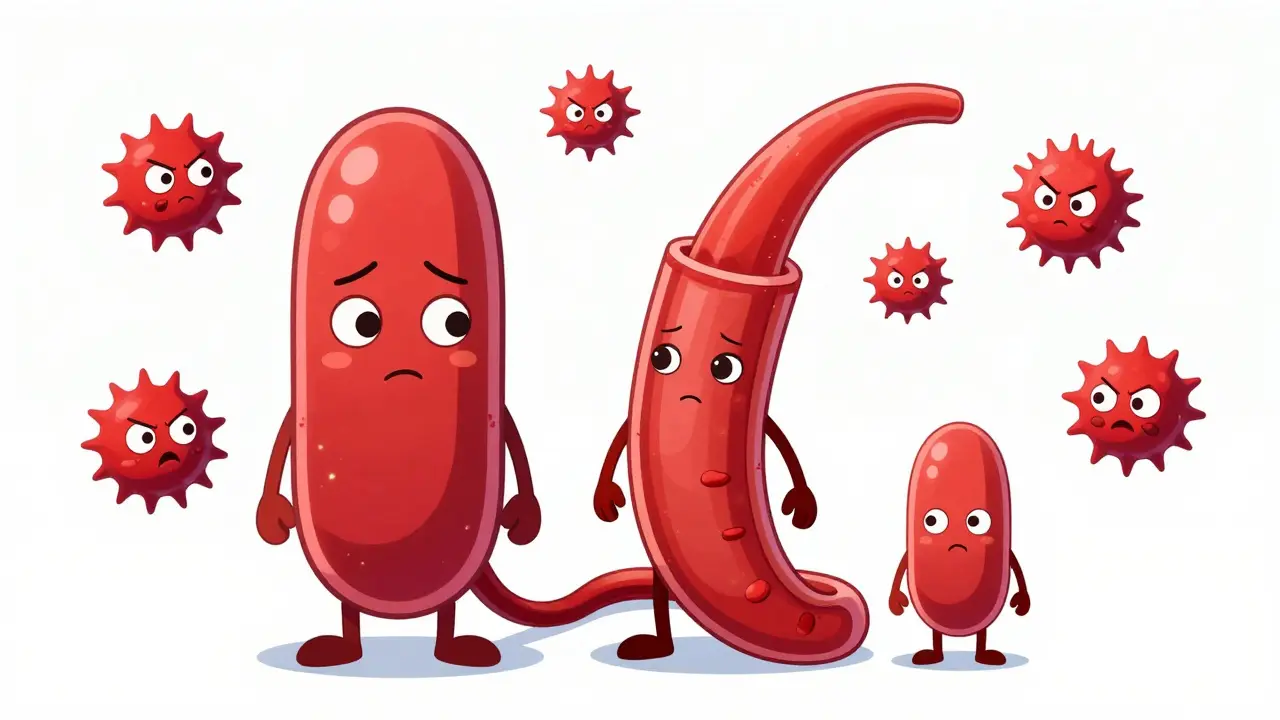
To understand vasculitis, you need to visualize your circulatory system as a network of pipes. Healthy blood vessels are flexible and strong. In vasculitis, the immune system sends inflammatory cells-like neutrophils and lymphocytes-to attack the vessel walls. This causes swelling (edema) and thickening of the wall layers.
As the wall thickens, the opening (lumen) narrows. Think of kinking a garden hose; less water gets through. In your body, this means less blood flow to tissues. If the vessel closes completely, the tissue downstream dies due to lack of oxygen (ischemia). In some cases, the inflammation weakens the wall so much that it balloons out, forming an aneurysm, which can rupture. The specific damage depends entirely on which vessels are targeted: large ones like the aorta, medium-sized ones like those supplying limbs, or tiny capillaries in the kidneys and lungs.
Types of Vasculitis by Vessel Size
Doctors classify vasculitis based on the size of the affected blood vessels. This classification helps them predict which organs might be at risk and how aggressive the treatment needs to be.
| Vessel Type | Common Conditions | Typical Affected Organs/Age Group |
|---|---|---|
| Large-Vessel | Giant Cell Arteritis (GCA), Takayasu Arteritis | Aorta, temporal arteries. GCA mostly affects adults over 50. |
| Medium-Vessel | Polyarteritis Nodosa (PAN), Kawasaki Disease | Kidneys, heart, nerves. Kawasaki primarily affects children under 5. |
| Small-Vessel | Granulomatosis with Polyangiitis (GPA), Microscopic Polyangiitis (MPA), EGPA | Kidneys, lungs, skin, nerves. Often associated with ANCA antibodies. |
Giant Cell Arteritis (GCA) is one of the most common forms in older adults. It often strikes the temporal arteries near the temples. Left untreated, it can cause sudden blindness because it cuts off blood supply to the optic nerve. Takayasu Arteritis is similar but tends to affect younger women, causing "pulseless disease" due to narrowed arteries in the arms.
Kawasaki Disease is a pediatric emergency. It causes fever and rash in young children and can lead to coronary artery aneurysms if not treated quickly with intravenous immunoglobulin (IVIG). Polyarteritis Nodosa (PAN) affects medium vessels and is strongly linked to Hepatitis B infection in some cases, damaging kidneys and nerves.
The small-vessel types are often grouped as ANCA-associated vasculitides. These include GPA (formerly Wegener's), MPA, and EGPA (Churg-Strauss). These conditions frequently involve the respiratory tract and kidneys. For example, GPA can cause sinus infections, nosebleeds, and lung nodules, while simultaneously attacking kidney filters.
Recognizing the Symptoms
Vasculitis is tricky because its symptoms are nonspecific. You might feel generally unwell, tired, or have low-grade fevers. However, certain signs should raise a red flag.
- Skin Changes: Look for purple spots, bruises, or raised bumps that don't blanch (turn white) when you press them. These are called palpable purpura and indicate bleeding under the skin from damaged capillaries.
- Joint and Muscle Pain: Aching joints and muscles are common early signs, often mistaken for arthritis or fibromyalgia.
- Neurological Issues: Numbness, tingling, or weakness in hands or feet suggests nerve damage (mononeuritis multiplex). Headaches, especially in the temple area, can signal Giant Cell Arteritis.
- Respiratory Problems: Persistent cough, shortness of breath, or coughing up blood may indicate lung involvement, common in GPA and MPA.
- Kidney Signs: Swelling in legs, foamy urine, or high blood pressure can point to renal vasculitis. Kidney damage often happens silently, so regular urine tests are crucial.
If you have Giant Cell Arteritis, you might experience jaw pain when chewing (jaw claudication) or vision disturbances. In Kawasaki disease, children develop red eyes, cracked lips, and swollen hands and feet. Recognizing these patterns early can save sight, limb function, or even life.
Diagnosing Vasculitis: Tests and Biopsies
There is no single test for vasculitis. Diagnosis is a puzzle put together by rheumatologists using clinical history, blood work, imaging, and often a biopsy.
Blood Tests: Doctors look for elevated inflammatory markers like ESR (erythrocyte sedimentation rate) and CRP (C-reactive protein). High levels suggest active inflammation. A key test is for ANCA (anti-neutrophil cytoplasmic antibodies). About 80-90% of patients with GPA have c-ANCA (targeting proteinase-3), while MPA patients often have p-ANCA (targeting myeloperoxidase). However, a negative ANCA test doesn't rule out vasculitis, as some forms are ANCA-negative.
Imaging: CT scans, MRIs, or PET scans can reveal inflamed vessels or organ damage. For example, a CT angiogram might show aneurysms in PAN or narrowing in Takayasu arteritis.
Biopsy: This is the gold standard. A doctor removes a small piece of affected tissue (skin, nerve, kidney, or muscle) to examine under a microscope. They look for characteristic signs like leukocytoclastic vasculitis (debris from dead white blood cells around vessels) or granulomas. A positive biopsy confirms the diagnosis and guides treatment intensity.
The Five Factor Score is used to assess severity, particularly in PAN. It checks for gastrointestinal, cardiac, or renal involvement. A higher score means more aggressive treatment is needed.

Treatment Options and Medications
The goal of treatment is to stop the inflammation, induce remission, and prevent relapse while minimizing side effects. Treatment is usually divided into two phases: induction (stopping the flare) and maintenance (keeping it away).
Corticosteroids: Prednisone is the first-line defense for most types. High doses quickly reduce inflammation. However, long-term use has serious side effects like weight gain, osteoporosis, diabetes, and infection risk. Doctors aim to taper the dose as soon as possible.
Immunosuppressants: To spare steroids, doctors add drugs like cyclophosphamide, methotrexate, azathioprine, or mycophenolate mofetil. Cyclophosphamide is powerful but toxic, so it's reserved for severe cases. Methotrexate is often used for maintenance in less severe disease.
Biologics and Targeted Therapies: Newer drugs offer precision targeting. Rituximab depletes B-cells and is now a standard option for ANCA-associated vasculitis, often preferred over cyclophosphamide for relapsing cases. Tocilizumab, an IL-6 inhibitor, is approved for Giant Cell Arteritis to help reduce steroid dependence. Avacopan, a complement C5a receptor inhibitor, was recently approved for ANCA vasculitis. Clinical trials showed it reduces cumulative steroid exposure by about 2,000 mg over a year compared to standard care, significantly lowering steroid-related risks.
Lifestyle Factors: For Buerger's Disease (Thromboangiitis Obliterans), smoking cessation is non-negotiable. Continued smoking makes all other treatments ineffective. Quitting is the only way to halt progression.
Prognosis and Living with Vasculitis
Vasculitis is often a chronic, relapsing condition. With modern treatments, outcomes have improved dramatically. Approximately 80-90% of patients with ANCA-associated vasculitis achieve remission. However, relapse rates are high, nearing 50% within five years. This means lifelong monitoring is essential.
Survival rates depend on organ involvement. For PAN, 5-year survival is 95% without major organ damage but drops to 50% if two or more major organs (like kidneys and heart) are severely affected. Early diagnosis is the biggest predictor of good outcomes. Once organ damage occurs, it is often permanent.
Patients must stay vigilant. Regular check-ups include blood tests for inflammatory markers, urine tests for kidney health, and imaging as needed. Reporting new symptoms immediately is crucial. While vasculitis can be scary, managing it effectively allows most people to live full, active lives. The key is partnership with a skilled rheumatologist and adherence to the treatment plan.
Is vasculitis curable?
Most forms of vasculitis are not permanently curable but are highly treatable. The goal is to achieve and maintain remission, where symptoms disappear and inflammation markers normalize. Some types, like Kawasaki disease, may resolve after a single episode with proper treatment, while others, like ANCA-associated vasculitis, often require long-term management to prevent relapses.
What triggers vasculitis?
The exact cause is often unknown, but it involves a combination of genetic predisposition and environmental triggers. Infections (like Hepatitis B or C), certain medications, and other autoimmune diseases can trigger vasculitis. In some cases, the immune system simply malfunctions without a clear external trigger.
Can vasculitis affect the brain?
Yes, although less common, vasculitis can affect blood vessels in the brain, leading to headaches, strokes, seizures, or cognitive changes. Giant Cell Arteritis can cause vision loss due to reduced blood flow to the optic nerve, which is a medical emergency requiring immediate steroid treatment.
How long does it take to diagnose vasculitis?
Diagnosis can be challenging and often takes 6 to 12 months due to nonspecific symptoms that mimic other conditions. Early referral to a rheumatologist and comprehensive testing, including biopsies, can shorten this timeline and prevent irreversible organ damage.
What foods should I avoid with vasculitis?
There is no specific "vasculitis diet," but managing side effects of treatment is important. If you are on steroids, limit salt, sugar, and processed carbs to manage weight gain and blood pressure. Focus on a balanced, anti-inflammatory diet rich in fruits, vegetables, whole grains, and lean proteins to support overall health and bone strength.






Mark Hogan
June 4, 2026 AT 05:14hey guys just wanted to say this is super helpful info. i had a friend who was misdiagnosed for like two years with fibromyalgia but it turned out to be small vessel vasculitis. the palpable purpura part really stuck out in my mind because she had these weird purple spots on her legs that doctors kept ignoring. its crazy how long the diagnostic delay can be. six to twelve months is an eternity when your body is attacking itself. thanks for breaking down the difference between large and medium vessel types too.
Alexandre Desbiens
June 5, 2026 AT 13:00The distinction regarding ANCA-associated vasculitides is particularly noteworthy, specifically the differentiation between c-ANCA targeting proteinase-3 and p-ANCA targeting myeloperoxidase. It is crucial for patients to understand that a negative ANCA test does not definitively rule out the condition, as seronegative cases do exist. The mention of Avacopan as a complement C5a receptor inhibitor represents a significant advancement in reducing cumulative steroid exposure, which is often the primary source of morbidity in long-term management protocols.
Hassan Bukhari
June 5, 2026 AT 16:24Most people here probably dont even know what an artery is let alone vasculitis. This article is basically a textbook summary for laypeople who cant read medical journals. If you actually understood immunology you would know that classifying by vessel size is a gross oversimplification since many forms overlap. But sure keep reading simplified blogs instead of doing real research. Typical.
Nicholas Bowling
June 6, 2026 AT 15:17this is all fear mongering honestly. everyone has inflammation. stress causes inflammation. eating bad food causes inflammation. why are we pathologizing normal human biology? i bet half these people diagnosed with vasculitis just need to stop drinking coffee and sleep more. the medical industry loves creating new diseases to sell expensive biologics like rituximab. wake up people.
Jay Foreman
June 7, 2026 AT 12:14I have to agree with the previous poster about the over-medicalization of symptoms. My cousin was told he had early signs of something similar just because his joints hurt after gym workouts. He ended up on steroids for no reason and gained twenty pounds. It’s so irresponsible to scare people into thinking every headache or rash is a systemic autoimmune disorder. We need to focus on lifestyle changes first before throwing heavy immunosuppressants at someone who might just be tired or dehydrated. It feels like a moral failing of modern medicine to ignore holistic approaches.
Cathy N
June 7, 2026 AT 23:12while lifestyle is important i think dismissing actual autoimmune conditions is dangerous. my mom had giant cell arteritis and if they hadnt treated her aggressively with steroids she lost her vision permanently. jaw claudication is a very specific symptom that should never be ignored. its not about being scared its about knowing the red flags. please dont tell anyone to ignore neurological issues or sudden vision changes.
Adelaide Motata
June 9, 2026 AT 17:14you guys are so naive. obviously the elite doctors want to keep us dependent on their drugs. avacopan sounds fancy but its just another way to bleed insurance companies dry. i read somewhere that most vasculitis is caused by mold in your house or fluoride in the water. why is nobody talking about environmental toxins? this article is clearly sponsored by pharma companies trying to push their latest miracle cure. typical mainstream narrative.
Mike Crump
June 11, 2026 AT 16:03Hey folks, I appreciate the passion here but let's try to stay grounded in the science while respecting those living with this. Mike here, and I've seen firsthand how devastating untreated Kawasaki disease can be for kids. The coronary artery aneurysms are no joke. That said, I totally get the frustration with the diagnostic odyssey. Six to twelve months is heartbreaking. For those dealing with Buerger's disease, the smoking cessation point is huge-it's the only thing that stops progression. Let's support each other and share verified resources rather than spreading misinformation. Knowledge is power, especially when navigating complex rheumatological conditions.