Anticholinergic Burden Calculator
Select Your Medications
Minimal anticholinergic activity detected.
Score Interpretation
- 0: No significant anticholinergic effect.
- 1-2: Low to moderate effect. Monitor for mild side effects like dry mouth or constipation.
- 3: High effect. Increased risk of confusion, falls, and memory issues.
- ≥ 4: Very high effect. Significant risk of cognitive impairment and cardiac issues.
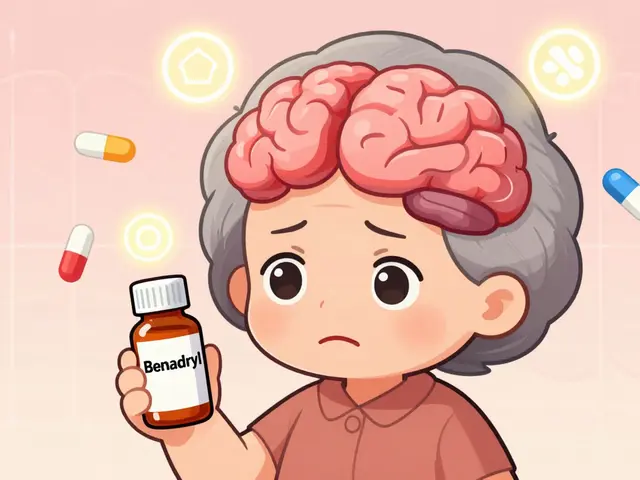
Imagine taking a medication to lift your mood, only to find yourself struggling to remember where you put your keys or feeling your heart race unexpectedly. This isn't just a bad day; it could be the result of anticholinergic burden, a term that describes the cumulative effect of medications blocking acetylcholine receptors in your body. While these drugs were once the gold standard for treating depression, modern medicine has uncovered significant downsides, particularly when it comes to brain health and heart safety. Understanding this burden is no longer optional-it’s essential for anyone managing mental health, especially if you are over 50 or dealing with multiple prescriptions.
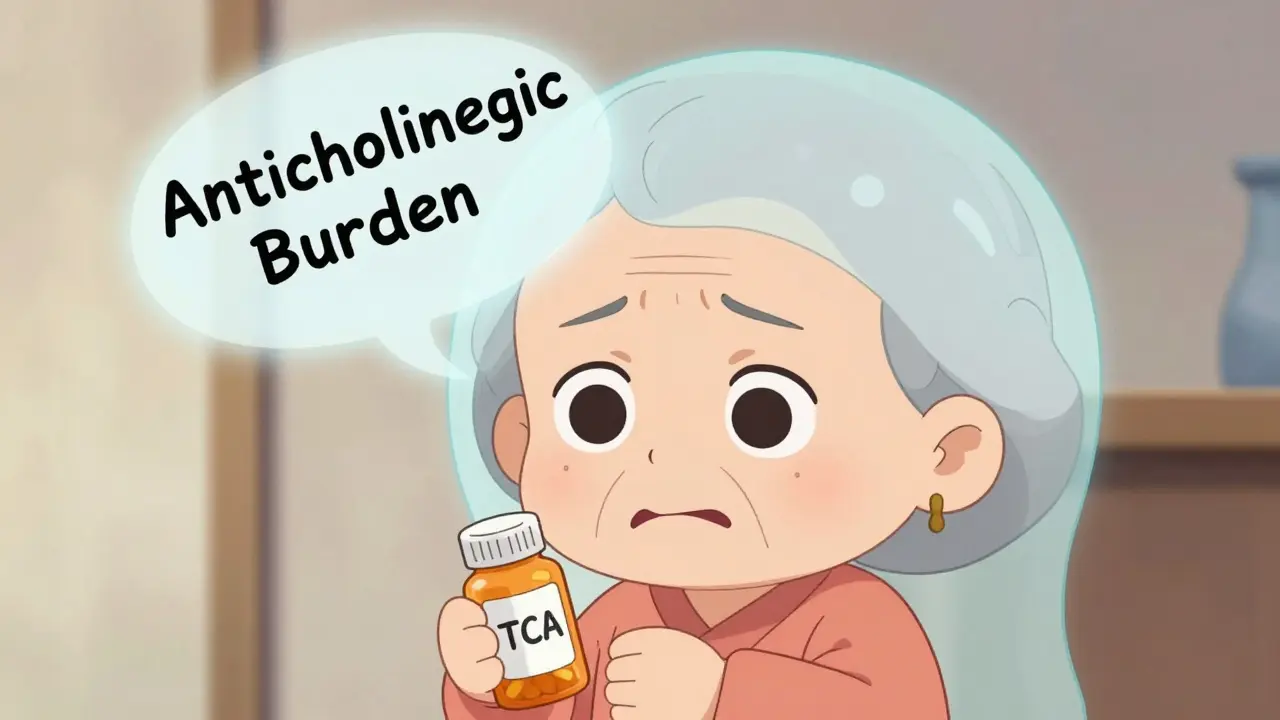
The core issue lies with Tricyclic Antidepressants (TCAs), a class of older antidepressants like amitriptyline and nortriptyline. Introduced in the late 1950s, TCAs work by increasing serotonin and norepinephrine levels. However, they also aggressively block muscarinic acetylcholine receptors. Acetylcholine is crucial for memory, learning, and muscle control. When you block it, you don’t just treat depression; you risk impairing cognition and destabilizing heart rhythms. Today, we need to look closely at why these drugs carry such heavy risks and what safer alternatives exist.
Understanding Anticholinergic Burden
To grasp the danger, you first need to understand how doctors measure this risk. It’s not about one pill alone; it’s about the total load on your system. Clinicians use tools like the Anticholinergic Cognitive Burden (ACB) Scale to quantify this exposure. The scale assigns scores from 1 to 3 based on how strongly a drug blocks acetylcholine.
- Score 1: Possible anticholinergic activity.
- Score 2: Moderate anticholinergic activity.
- Score 3: Definite high anticholinergic activity.
Most modern antidepressants, such as Selective Serotonin Reuptake Inhibitors (SSRIs), score 0 or 1. In stark contrast, almost all TCAs consistently receive the maximum score of 3. This means that even a single TCA prescription places a heavy load on your nervous system. If you combine a TCA with other common medications-like certain antihistamines for allergies or bladder control drugs-the total score can skyrocket. A total ACB score of 3 or higher significantly increases the risk of adverse effects, including confusion and falls.
Cognitive Risks: More Than Just Forgetfulness
The impact on the brain is profound and often misunderstood. Many people assume that forgetfulness is a natural part of aging or early dementia. However, research shows that high anticholinergic burden can mimic dementia symptoms, leading to false diagnoses. Dr. Helga Bennett, an expert cited in NHS guidelines, warns that substantial anticholinergic exposure may look exactly like cognitive decline but is potentially reversible.
A landmark study published in JAMA Internal Medicine followed 3,434 adults over 65 for seven years. The findings were alarming: individuals taking medications with a high anticholinergic burden (ACB ≥ 3) had a 54% higher risk of developing dementia compared to those who didn’t. What makes this terrifying is that some studies suggest these cognitive effects might be irreversible, even after stopping the medication. For patients taking amitriptyline or nortriptyline for pain or depression, this trade-off between symptom relief and long-term brain health is critical.

Cardiac Risks: The Hidden Heart Danger
While cognitive issues get the headlines, the cardiac risks of TCAs are equally dangerous. These drugs affect the electrical system of the heart. Specifically, they can prolong the QT interval, a measurement of time between heartbeats. A prolonged QT interval can lead to serious arrhythmias, which are irregular heartbeats that can be fatal.
| Risk Factor | Tricyclic Antidepressants (TCAs) | SSRIs (e.g., Sertraline) |
|---|---|---|
| ACB Score | 3 (High) | 0-1 (Low/None) |
| QT Prolongation Risk | 2.8x higher than SSRIs | Minimal |
| Arrhythmia Risk | ~3x higher than SSRIs | Low |
| Dementia Risk Increase | 54% higher (long-term) | No significant link |
At therapeutic doses, amitriptyline can prolong the QRS duration by 10-25%. In overdose situations, this can jump to 50%, making TCAs particularly dangerous in suicide attempts or accidental ingestions. Furthermore, TCAs decrease cardiac contractility by about 15-20%, meaning the heart pumps less efficiently. For anyone with pre-existing heart conditions, this creates a narrow therapeutic window where the benefits for depression must be carefully weighed against life-threatening cardiac risks.

Why Are TCAs Still Prescribed?
If the risks are so high, why do doctors still prescribe them? The answer lies in specific use cases where newer drugs fail. TCAs remain effective for treatment-resistant depression and certain types of chronic pain, particularly neuropathic pain. When SSRIs or SNRIs don’t work, clinicians might turn to TCAs as a last resort. Additionally, in low doses, amitriptyline is sometimes used off-label for migraines or sleep disorders, though the anticholinergic risks remain present even at lower dosages.
However, the landscape is shifting. In the United States, TCA prescriptions for depression dropped from 15.3% in 2000 to just 4.7% in 2020. Meanwhile, SSRI prescriptions rose to 82.6%. This shift reflects a broader medical consensus prioritizing safety. The Beers Criteria, a widely respected list of potentially inappropriate medications for older adults, explicitly advises avoiding TCAs in patients aged 65+ unless all other options have failed.

Managing and Reducing Your Burden
If you are currently taking a TCA, don’t stop abruptly. Withdrawal can cause severe flu-like symptoms, anxiety, and rebound insomnia. Instead, work with your doctor to create a tapering plan over 4-8 weeks. During this time, consider switching to safer alternatives.
- SNRIs: Drugs like duloxetine treat both depression and pain with an ACB score of 0-1.
- Cognitive Behavioral Therapy (CBT): Non-pharmacological interventions can reduce reliance on medication.
- Medication Review: Ask your pharmacist to check all your prescriptions, including over-the-counter drugs like chlorphenamine (Piriton) or diphenhydramine (Nytol), which add to your total burden.
Studies show that structured deprescribing programs can reduce anticholinergic burden in 78% of eligible patients over 65, with 63% showing cognitive improvements within six months. Small changes, like swapping a sedating antihistamine for a non-sedating one, can make a big difference in your overall health.
What is the Anticholinergic Cognitive Burden (ACB) Scale?
The ACB Scale is a tool used by healthcare providers to measure the cumulative anticholinergic effect of a patient's medications. It assigns scores from 1 to 3, with 3 indicating high risk. A total score of 3 or more suggests a significantly increased risk of cognitive impairment and other adverse effects.
Can anticholinergic drugs cause dementia?
Long-term use of high-burden anticholinergic drugs, including TCAs, is associated with a 54% higher risk of developing dementia. While some effects may be reversible upon discontinuation, there is evidence suggesting potential long-term or irreversible damage to cognitive function.
Are Tricyclic Antidepressants safe for the heart?
TCAs pose significant cardiac risks, including QT interval prolongation and increased risk of arrhythmias. They are approximately 3 times more likely to cause arrhythmias than SSRIs. Patients with existing heart conditions should avoid TCAs unless strictly monitored by a cardiologist.
What are safer alternatives to TCAs?
Safer alternatives include SSRIs (like sertraline) and SNRIs (like duloxetine), which have low or zero anticholinergic burden. Non-drug therapies like CBT are also recommended. Always consult your doctor before switching medications.
How can I check my current medication burden?
You can ask your doctor or pharmacist to calculate your ACB score using validated tools. Many electronic health record systems now automatically flag high-burden combinations. Regular medication reviews, especially if you take multiple prescriptions or over-the-counter aids, are crucial.