Thyroid Dysfunction After Pregnancy: Causes, Symptoms, and What to Do
When your body goes through pregnancy, it’s not just your uterus changing—your thyroid, a small butterfly-shaped gland in your neck that controls metabolism, energy, and hormone balance. Also known as thyroid gland, it gets pulled in every direction. After birth, up to 1 in 5 women experience some form of thyroid dysfunction after pregnancy, a condition where the thyroid becomes overactive, underactive, or both, often due to immune system shifts. This isn’t just fatigue from sleepless nights. It’s your body’s chemistry resetting, sometimes the wrong way.
Most cases are caused by postpartum thyroiditis, an inflammation of the thyroid that happens after childbirth, often linked to autoimmune activity. It usually starts with a short phase of hyperthyroidism, where the thyroid leaks too much hormone, causing rapid heartbeat, anxiety, and weight loss. Then, within months, it flips into hypothyroidism, where the gland can’t make enough hormone, leading to exhaustion, weight gain, depression, and brain fog. Many women think they’re just "stressed" or "postpartum depressed," but thyroid blood tests can confirm if it’s something physical. If you had thyroid antibodies before or during pregnancy—like TPOAb or TgAb—you’re at much higher risk.
This isn’t rare, and it’s not your fault. It’s a biological side effect of pregnancy’s immune changes. Left untreated, hypothyroidism can linger for months or even become permanent. But here’s the good part: it’s easy to test for. A simple TSH and free T4 blood test can tell you what’s going on. Treatment? Often just a low-dose thyroid hormone pill, like levothyroxine, for a few months—or sometimes longer. And if you’re breastfeeding, most medications are safe. You don’t have to suffer through brain fog or constant tiredness thinking it’s normal.
The posts below cover everything from how thyroid antibodies trigger postpartum flare-ups, to what meds are safe while nursing, to how to tell if your symptoms are thyroid-related or just burnout. You’ll find real stories, lab value breakdowns, and clear steps to get your energy back—without jumping through insurance hoops or guessing what your doctor meant.
Postpartum Thyroiditis: What You Need to Know About Temporary Thyroid Dysfunction After Pregnancy
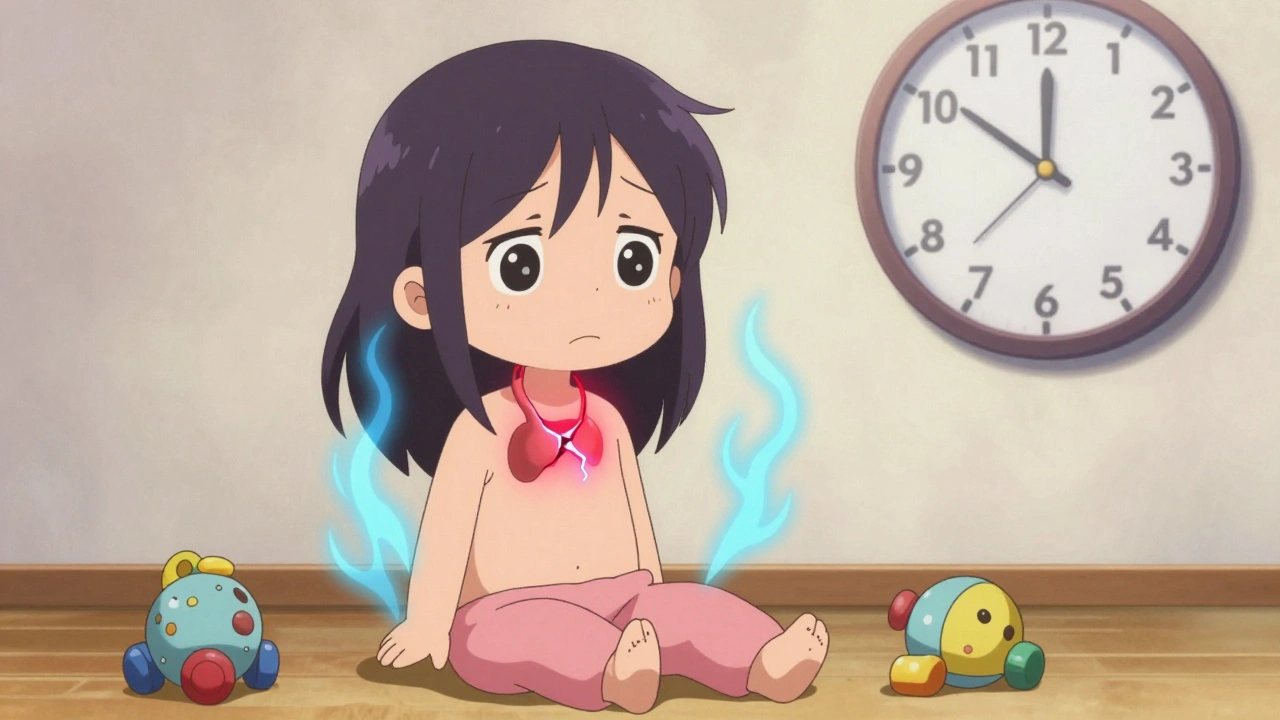
Postpartum thyroiditis is a temporary autoimmune thyroid disorder affecting 5-10% of women after childbirth. It causes alternating hyperthyroid and hypothyroid phases with fatigue, weight changes, and brain fog-often mistaken for postpartum depression. Early blood tests can confirm it and prevent long-term damage.
read more