Symptom Control: How Medications Manage Pain, Tremors, and Chronic Conditions
When you hear symptom control, the use of medications to reduce or manage the effects of a disease without curing it. Also known as palliative pharmacotherapy, it’s what keeps people walking, sleeping, and working despite chronic illness. It’s not about hiding pain—it’s about restoring function. Whether it’s stopping hand tremors, lowering blood sugar without crashing, or preventing a clot after surgery, symptom control is the quiet backbone of modern medicine.
Think about beta-blockers, a class of drugs that slow heart rate and reduce nerve signals to muscles. Also known as adrenergic blockers, they’re the first-line fix for essential tremor, a condition that makes simple tasks like drinking coffee or writing impossible. Or consider SGLT2 inhibitors, medications that help kidneys remove excess sugar through urine. Also known as gliflozins, they don’t just lower blood sugar—they protect kidneys and hearts in people with chronic kidney disease and diabetes. These aren’t magic pills. They’re tools, carefully chosen based on dose, timing, and individual risk.
But symptom control isn’t just about picking the right drug. It’s about avoiding harm. QT prolongation, a hidden heart rhythm danger caused by over 200 medications. Also known as long QT syndrome, it can turn a routine antibiotic or antidepressant into a life-threatening risk. That’s why knowing which drugs interfere with others matters—like how acid-reducing meds can block absorption of HIV drugs or cancer treatments. And then there’s the risk of overuse: repeated antibiotics fueling drug-resistant bacteria, or long-term steroids silently damaging your eyes. Symptom control only works when it’s smart, monitored, and personalized.
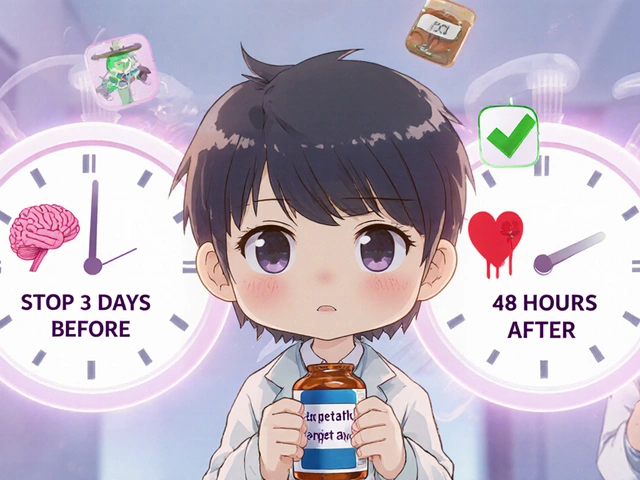
What you’ll find here isn’t theory. It’s what real people and doctors deal with every day: how to safely pause blood thinners before surgery, how to spot early signs of steroid-induced glaucoma, how to appeal an insurance denial for a generic that actually works, and why some prescriptions say "Do Not Substitute." You’ll learn how to use pill organizers without overdosing, how to check for drug recalls using lot numbers, and why storing your meds in the bathroom isn’t just dumb—it’s dangerous. This collection cuts through the noise. No fluff. Just clear, practical steps to manage symptoms without risking your health.
Palliative and Hospice Care: How to Balance Symptom Relief with Minimal Side Effects

Learn how palliative and hospice care balance effective symptom relief with minimizing dangerous side effects like drowsiness, confusion, and constipation. Evidence-based strategies for pain, breathlessness, and delirium.
read more