Pharmaceutical Trust: How to Know Your Meds Are Safe and Effective
When you pick up a prescription, you expect it to work—exactly as it should. But pharmaceutical trust, the confidence that your medication is made correctly, stored properly, and will do what it claims. Also known as drug reliability, it’s not just about brand names—it’s about the whole system behind every pill, patch, or injection. Too many people assume all generics are equal, or that FDA approval means perfect safety. That’s not true. Manufacturing flaws, storage errors, and hidden interactions can turn a trusted drug into a risk—especially when you’re on multiple meds or managing chronic conditions.
Generic drugs, lower-cost versions of brand-name medications that must meet the same active ingredient standards. Also known as generic medications, they make up over 90% of prescriptions in the U.S. But here’s the catch: while the active ingredient must match, the fillers, coatings, and manufacturing processes don’t. Cracked tablets, inconsistent dosing, or even trace contamination can slip through. We’ve seen recalls over pills that didn’t dissolve right, or batches with too much—or too little—of the drug. And if you’re storing your meds in a hot bathroom or a sunlit cabinet, you’re not just wasting money—you’re risking your health. Medication safety, the practice of ensuring drugs are taken correctly, stored properly, and free from harmful interactions. It’s not just about following the label. It’s about knowing what questions to ask your pharmacist, how to check for recalls using lot numbers, and when to push back if a generic feels different.
Pharmaceutical trust isn’t built on advertising. It’s built on transparency, testing, and vigilance. You need to understand how formularies control what you get, why some doctors insist on brand-only prescriptions, and how global systems like Australia’s PBS keep prices low without sacrificing safety. You need to know which drugs are more likely to cause QT prolongation, how acid reducers can block other meds from working, and why women often face worse side effects than men. These aren’t edge cases—they’re everyday realities.
The posts below cover exactly that: real stories, real data, and real steps you can take right now. Whether you’re managing diabetes with SGLT2 inhibitors, worrying about steroid eye damage, or trying to appeal an insurance denial for a generic, you’ll find clear, no-fluff guidance. No theory. No marketing. Just what works—and what doesn’t.
How Media Coverage Undermines Confidence in Generic Drugs
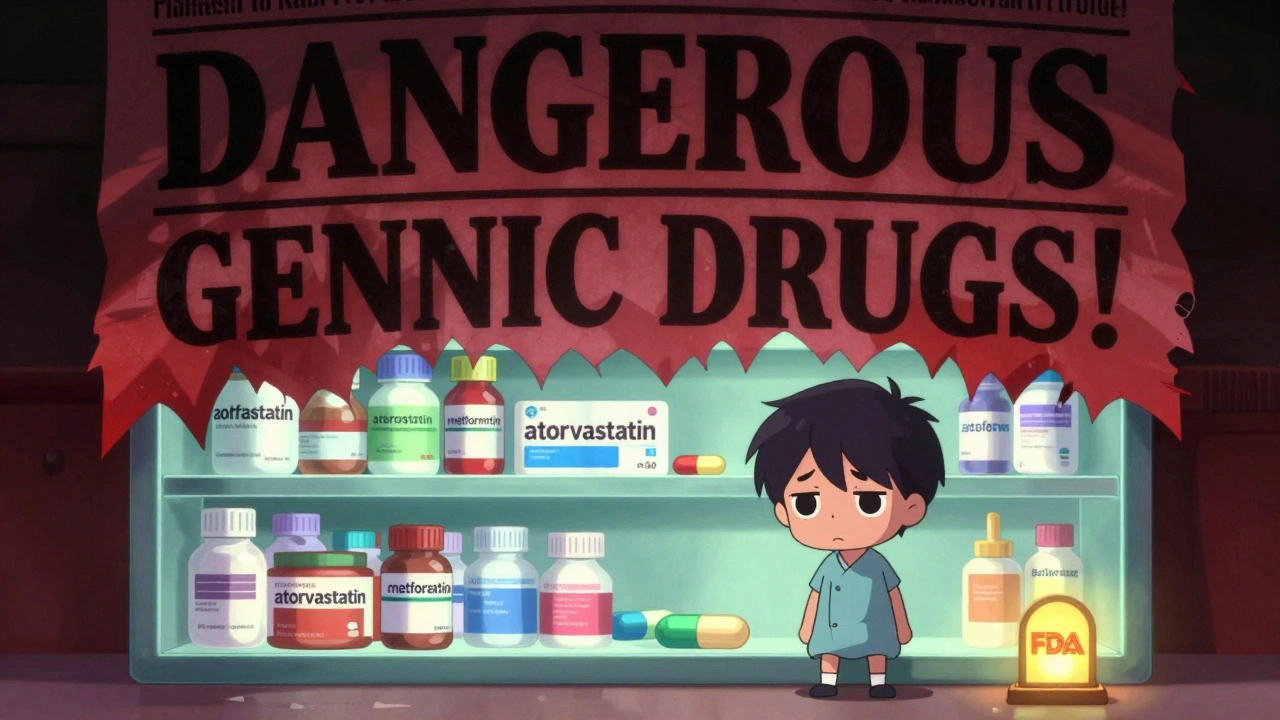
Media coverage often fuels mistrust in generic drugs despite scientific proof they're just as safe and effective as brand-name versions. Learn how headlines, language, and misinformation shape patient choices-and what you can do about it.
read more