Medication Reconciliation: What It Is and Why It Saves Lives
When you’re switching hospitals, getting discharged, or starting a new doctor, medication reconciliation, the process of comparing a patient’s current medications with what they should be taking to avoid errors and dangerous interactions. It’s not just paperwork—it’s a safety net. Think of it like double-checking your bank statement before you sign off. One wrong dose, one missed drug, one outdated instruction—and you could end up in the ER. This isn’t hypothetical. The FDA estimates that medication errors send over 1.3 million people to the emergency room every year in the U.S. alone. Most of those mistakes happen during transitions of care. That’s where medication reconciliation steps in.
Drug interactions, when two or more medications clash in harmful ways are one of the biggest risks. For example, mixing a blood thinner with an over-the-counter painkiller can cause internal bleeding. Or stopping an antidepressant too fast can trigger severe withdrawal. Pharmacy safety, the system of checks and procedures designed to prevent mistakes in dispensing and managing medications relies on this process. Nurses, pharmacists, and doctors all play a role. They don’t just look at your list—they ask you what you’re actually taking, what you skipped, what you ran out of, and what your cousin said worked better. Real talk, not just what’s written on a chart.
It’s not just about pills. It’s about patches, inhalers, eye drops, injections, even supplements. People forget that fish oil or St. John’s wort are drugs too. And they interact. A 72-year-old on warfarin who starts taking garlic supplements without telling their doctor? That’s a recipe for trouble. Medication reconciliation forces everyone—patients included—to speak up. It’s not about trust. It’s about verification. Hospitals that use it properly cut readmissions by up to 25%. That’s not magic. That’s just doing the math right.
You might think this only matters if you’re in the hospital. But what if you’re getting a new prescription from your primary care doc while still taking six others from specialists? What if your insurance changed and your pharmacy switched brands? What if you just started a new drug and didn’t tell your mom because you didn’t want to worry her? That’s when medication reconciliation matters most. It’s the moment someone stops assuming and starts asking.
In the posts below, you’ll find real-world guides on how to spot dangerous gaps in your own meds, how to talk to your pharmacist about what you’re really taking, how to catch errors before they happen, and why generics aren’t always interchangeable—even when they’re labeled the same. You’ll learn how to protect yourself during hospital stays, how to handle partial fills and back-orders without confusion, and how temperature or storage mistakes can make your meds useless. This isn’t theory. These are the tools people use to stay alive.
How to Keep a Medication List for Safer Care and Fewer Errors
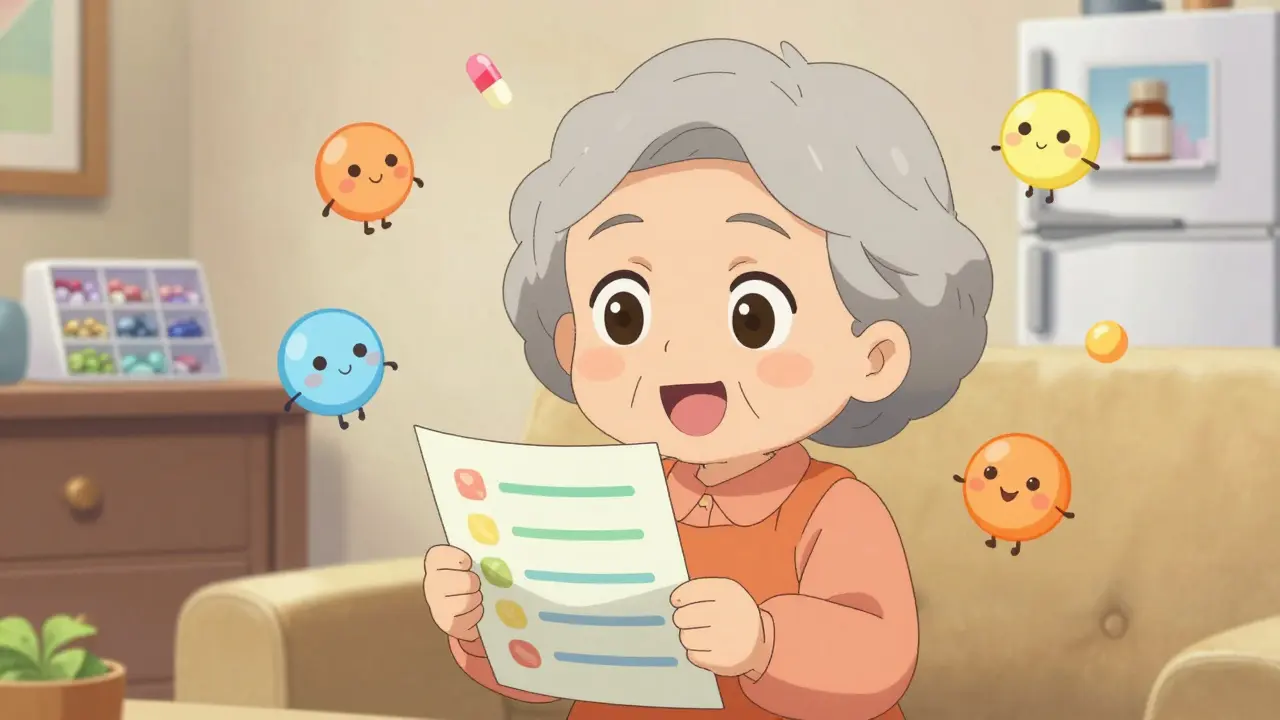
Keep an accurate, up-to-date medication list to prevent dangerous errors, interactions, and hospitalizations. Learn what to include, how to update it, and which tools work best for safe care.
read moreHow to Reconcile Medications After Hospital Discharge to Avoid Dangerous Interactions
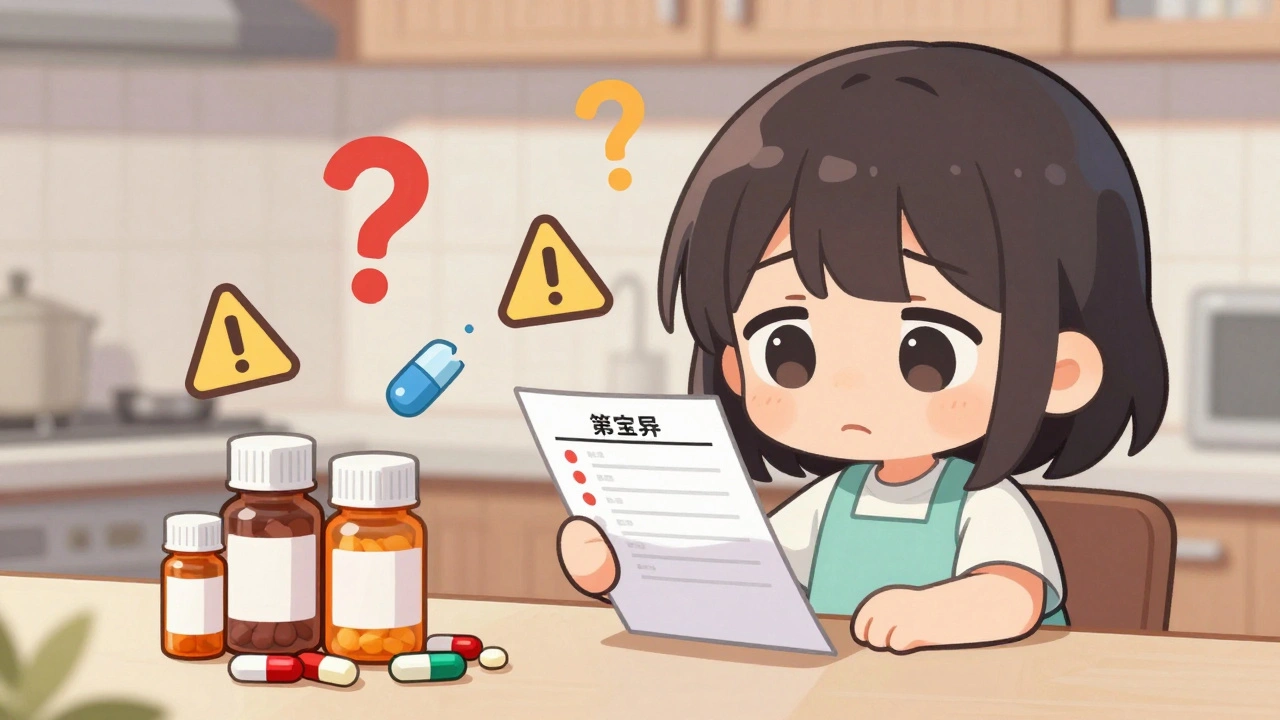
After hospital discharge, medication errors cause thousands of preventable readmissions. Learn how to reconcile your meds step by step to avoid dangerous drug interactions and stay safe at home.
read more