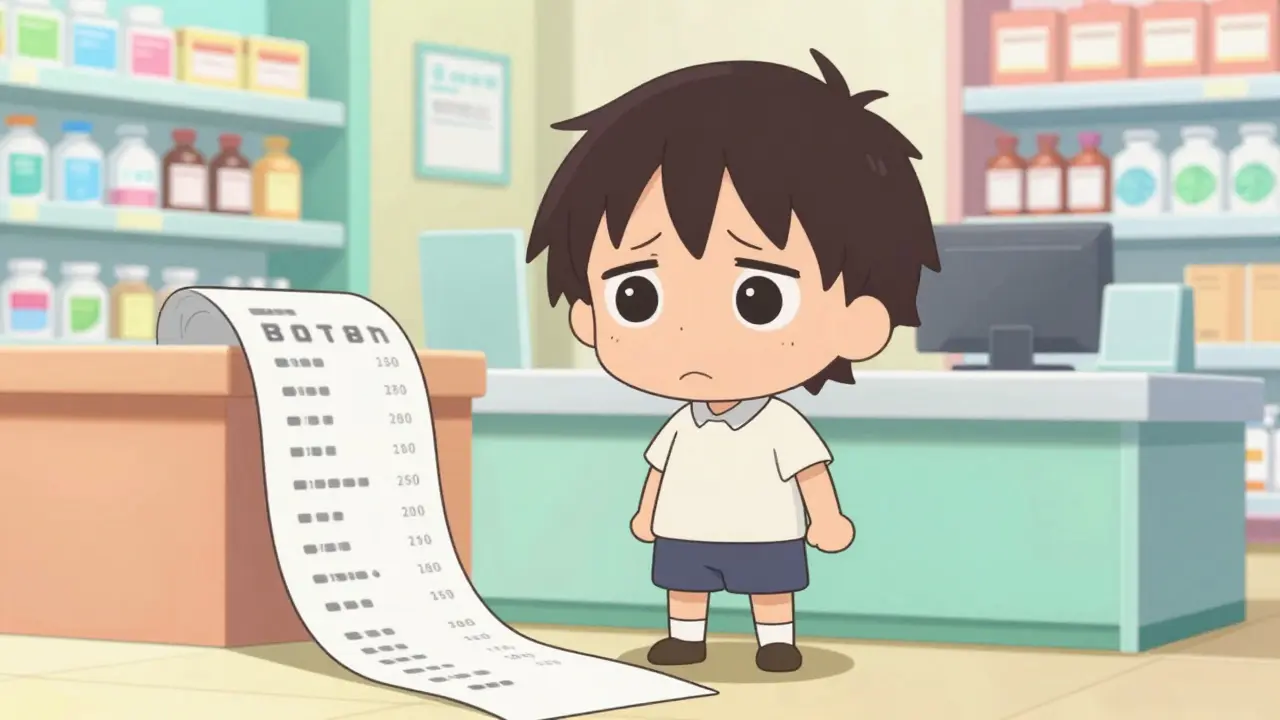
Staring at a pharmacy receipt and realizing your medication costs more than your monthly rent is a gut-wrenching experience. Whether it's a new specialty drug for a chronic condition or a lifelong maintenance med, the gap between what your insurance covers and what you actually pay can be enormous. But there is a way to bridge that gap: prescription assistance programs is a system of financial support provided directly by pharmaceutical companies to help patients afford their brand-name medications.
Many people assume that if their insurance formulary doesn't cover a drug or their deductible is too high, they're simply out of luck. In reality, about 92% of major pharmaceutical manufacturers run some form of assistance. In 2022 alone, these companies provided roughly $24.5 billion in aid to over 12 million patients. The trick is knowing which program you actually qualify for, as the rules for someone with a gold-tier employer plan are completely different from someone without any insurance at all.
The Two Main Types of Manufacturer Help
Not all assistance is created equal. Depending on your insurance status and income, you'll either be looking for a way to lower your copay or a way to get the medication for free. Understanding this distinction is the first step to getting your prescriptions filled.
First, there are copay assistance programs. These are designed for people who have commercial insurance but are struggling with high out-of-pocket costs. You've likely seen these as "copay cards" or coupons. They essentially act as a payment method that the manufacturer uses to cover the difference between your insurance copay and the actual cost of the drug. For example, if your copay is $200, a card might bring that down to just $10 or $25. These are most common with specialty drugs-about 68% of all copay programs target these high-cost medications.
Then there are Patient Assistance Programs (often called PAPs). Unlike copay cards, PAPs are specifically for people who are uninsured or underinsured. These programs often provide the medication at no cost or a heavily reduced price. The catch here is that they are income-based. Most PAPs require your household income to be between 200% and 400% of the Federal Poverty Level (FPL). For a family of four, that usually means an annual income between $30,000 and $60,000.
| Feature | Copay Assistance | Patient Assistance Programs (PAPs) |
|---|---|---|
| Who is it for? | Insured patients (Commercial) | Uninsured or underinsured patients |
| Primary Goal | Lower the cost of a copay/coinsurance | Provide free or low-cost medication |
| Income Requirements | Generally none | Strict income thresholds (e.g., 200-400% FPL) |
| Form of Help | Digital/Physical card or coupon | Application-based enrollment |
| typical savings | Reduces copay to a small fee ($0-$50) | Often 100% of the cost covered |
Navigating the Insurance Minefield: Medicare and Medicaid
Here is where things get complicated. If you have government insurance, the rules change completely. Due to federal laws and the way Medicare Part D is structured, most manufacturer copay cards are prohibited for Medicare beneficiaries. This is to prevent companies from "incentivizing" more expensive brand-name drugs over cheaper generics.
If you're on Medicaid, you'll find that about 78% of state programs also block the use of copay assistance. However, some PAPs might still be an option, though many exclude government-insured patients entirely. It's a frustrating loophole: the people who need the most help are often the ones legally barred from using the most common copay cards.
Another critical detail for Medicare users is the concept of "True Out-of-Pocket" (TrOOP) costs. Generally, assistance from a PAP operates outside the Part D benefit. This means the money the manufacturer spends on your behalf does not count toward your annual deductible or the catastrophic coverage threshold. This can actually keep you in the "coverage gap" (or donut hole) longer, so it's worth talking to a pharmacist about the long-term financial impact.

How to Actually Apply and Get Your Meds
You don't have to guess which company makes your drug or where their website is hidden. The most efficient way to start is through the Medicine Assistance Tool (MAT). This is a centralized search engine that gives you access to over 900 different programs. You plug in your medication name and your insurance status, and it tells you if there's a program available.
Depending on the program, the process varies:
- For Copay Cards: This is the easiest path. You usually just download a voucher or enter a code on the manufacturer's website. You present this card to your pharmacist at the point of sale, and the manufacturer pays the bulk of the cost instantly.
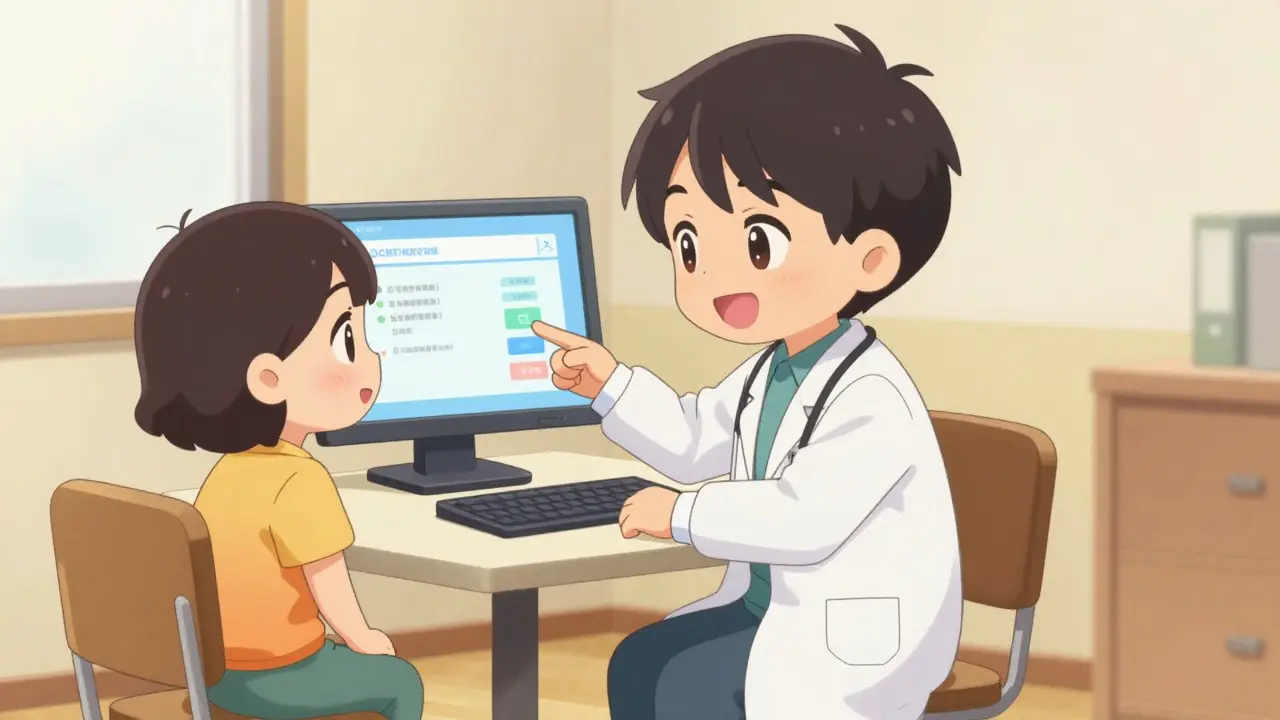
- For PAPs: This is more like a loan application. You'll need to provide proof of income (recent tax returns or pay stubs), proof of residency, and a signed prescription from your doctor confirming the medical necessity of the drug. Be prepared-some reports suggest these applications can take 45 to 60 minutes to complete.
Pro tip: Don't do this alone. Your doctor's office or a clinic social worker often has experience with these forms and can help you gather the right documentation to avoid a rejection.
The Catch: Copay Accumulators and Hidden Costs
Even if you find a great copay card, your insurance company might try to block its effect through something called a copay accumulator program. In the past, if a manufacturer paid $100 of your deductible via a card, the insurance company would count that $100 toward your annual deductible. Now, about 78% of major insurers use "accumulators."
With an accumulator, the insurance company ignores the manufacturer's payment. They'll let you use the card to lower your cost today, but they won't count that money toward your deductible. This means you might hit your deductible much later in the year than you expect, leading to a sudden "price jump" once the copay card expires or hits its annual limit.
Keep an eye on your annual limits. About 45% of copay programs have a hard cap on how much they will pay per year (sometimes ranging from $1,000 to $25,000). Once that money is gone, you are back to paying the full insurance rate.
Is This System Actually Sustainable?
There is a fierce debate among health experts about whether these programs are a genuine lifeline or a clever marketing tactic. On one hand, experts like those at the Brookings Institution argue that without this help, millions of people would simply stop taking their medicine-a phenomenon called medication non-adherence. When people stop taking critical heart or diabetes meds, the result is more ER visits and higher overall healthcare costs.
On the other hand, some researchers point out that these programs might actually drive up the cost of drugs. By making a brand-name drug "cheap" via a coupon, manufacturers discourage patients from switching to a generic version. A study in JAMA Internal Medicine estimated that this effect could increase total drug spending by $1.4 billion annually. Essentially, the patient saves money, but the healthcare system as a whole pays more.
Regardless of the systemic debate, for the individual patient facing a $500-a-month prescription, these programs are often the only way to maintain their health. The landscape is shifting, with more states like California requiring manufacturers to be transparent about how much they spend on these programs, but the core goal remains: getting the medicine to the patient.
Can I use a copay card if I have Medicare?
Generally, no. Federal law prohibits the use of manufacturer copay coupons for patients enrolled in Medicare. However, you may still qualify for a Patient Assistance Program (PAP) if you meet the income requirements, although many of these also exclude government insurance.
What is the difference between a manufacturer coupon and a discount card like GoodRx?
Manufacturer coupons are funded by the company that makes the drug and often offer much higher savings (50-100% off) but usually require you to have commercial insurance. Discount cards are third-party services available to everyone regardless of insurance, but they typically offer smaller discounts (5-25%).
How do I prove my income for a Patient Assistance Program (PAP)?
Most PAPs require official documentation. This typically includes your most recent federal tax return or two to three consecutive pay stubs. Some programs may also accept a letter from a social worker or a government agency certifying your income level.
What happens if my insurance changes mid-year?
If you move from commercial insurance to a government plan (like Medicare), you will likely lose eligibility for copay cards. You should immediately check if you qualify for a PAP to avoid a gap in your medication access.
Do these programs work for generic medications?
No. Manufacturer assistance is almost exclusively for brand-name drugs. Since generic drugs are produced by multiple companies and are already priced lower, they typically do not have manufacturer-sponsored copay cards or PAPs.
Next Steps for Patients
If you're feeling overwhelmed by the cost of your medications, don't just leave the pharmacy without your meds. Here is a quick action plan:
- Check the MAT Tool: Visit the Medicine Assistance Tool to see if your specific drug has a program.
- Ask Your Pharmacist: Ask specifically, "Is there a manufacturer copay card available for this drug?" They often have a database of active coupons.
- Contact Your Doctor: If you need a PAP, ask your doctor's office to help you with the "medical necessity" portion of the application.
- Review Your Plan: Check if your insurance uses a "copay accumulator." If they do, keep a close eye on your deductible progress so you aren't surprised by a price hike later in the year.

Doug DeMarco
April 11, 2026 AT 17:44This is such a lifesaver for anyone struggling with those insane costs! 😊 Just a heads up, some pharmacies are way better at helping you find these codes than others, so if one place gives you trouble, just try another one down the street! 💊✨
Trey Kauffman
April 12, 2026 AT 08:50Oh sure, because giving us a digital coupon is totally the same as actually making medicine affordable in a sane society. Pure genius.
Simon Jenkins
April 12, 2026 AT 21:32The utter audacity of these insurance companies to implement "accumulators" is simply breathtaking. It is a choreographed dance of greed where the patient is the only one losing. I have seen this tragedy unfold in real-time with my own acquaintances and it is an absolute travesty that we allow such systemic plunder to occur in a developed nation. The lack of transparency is not just a flaw; it is a feature of the entire pharmaceutical industrial complex!
Sarina Montano
April 14, 2026 AT 12:09The MAT tool is a goldmine for those who don't know where to start. It basically strips away the corporate fog and gives you a direct path to the assistance. It's a bit like having a secret map for a labyrinth that the drug companies built specifically to keep us out.
Will Gray
April 16, 2026 AT 05:27Exactly why we need to stop outsourcing everything and get our own production back on US soil. The globalist grip on these patents is a joke. They control the supply, set the price, and then throw us a tiny scrap of a "assistance program" to keep the masses from revolting while they bleed us dry from the inside. It's all a coordinated play to keep the population dependent and broke.
Franklin Anthony
April 16, 2026 AT 19:38its just a scam to keep us on brand names and avoid generics lol they dont care about health they care about the bottom line and keeping the system rigged for the elites
Victor Parker
April 17, 2026 AT 17:02Follow the money 💸 It's all a racket to keep the prices high globally while pretending to be the good guys with a few freebies. Absolute madness 🤡
Emily Wheeler
April 17, 2026 AT 21:31I feel that there is a profound intersection here between the need for immediate survival and the long-term systemic failure of our healthcare architecture, and while it is heartening to know that these programs exist to provide a bridge for those in desperate straits, we must also contemplate how the very existence of these patches allows the larger wound to remain open and fester without the pressure of real reform. It is almost a meditative exercise in contradiction to be grateful for a coupon while simultaneously recognizing it as a tool of market manipulation, yet we navigate these complexities daily because the alternative is simply too grim to contemplate for so many families.
Peter Meyerssen
April 18, 2026 AT 22:56The paradigm shift here is basically just a cost-benefit analysis wrapped in a philanthropic bow 🙄. It's all about maximizing the LTV of the patient through synthetic affordability. 📉
Robin Walton
April 19, 2026 AT 02:29I'm just glad there's a way to help people who are truly struggling to get their meds. It's so stressful dealing with this stuff.
Lynn Bowen
April 20, 2026 AT 22:01This is a very clear explanation of a confusing system.
Thabo Leshoro
April 22, 2026 AT 06:34The bureaucratic hurdles in these PAPs are just... overwhelming!!! It's a total nightmare to get all the docs sorted!!!
kalpana Nepal
April 23, 2026 AT 18:57Big companies only do this for image. They do not care for poor people.