Fluoroquinolone Risk Estimator
Disclaimer: This tool is for educational purposes only and does not constitute medical advice. Always consult a healthcare professional.
Estimated Risk Level
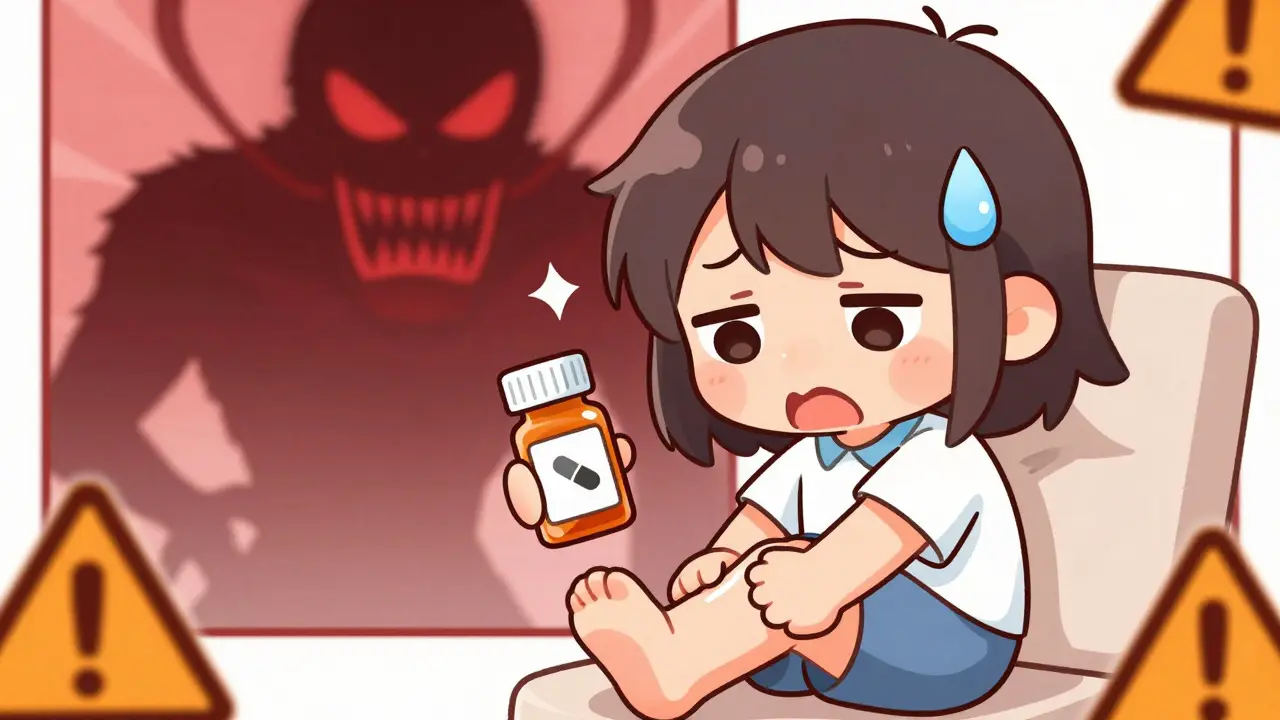
Imagine you’ve been battling a stubborn infection for days. Your doctor prescribes a powerful antibiotic, promising relief. You take it as directed, feeling hopeful. But then, without warning, you feel a sharp, shooting pain in your heel or ankle. It’s not just soreness; it feels like something has snapped inside you. For thousands of patients, this isn’t a hypothetical nightmare-it’s a real, documented consequence of taking fluoroquinolones, a class of broad-spectrum antibiotics that includes common drugs like ciprofloxacin and levofloxacin.
This isn’t about rare, freak accidents. Regulatory bodies worldwide, including the U.S. Food and Drug Administration (FDA) and the UK’s Medicines and Healthcare products Regulatory Agency (MHRA), have issued severe warnings because the link between these drugs and tendinopathy, which can lead to tendon rupture, is strong and well-documented. The FDA even mandates a 'black-box' warning-the strictest level of alert-for these medications specifically regarding tendon damage.
Why Are Fluoroquinolones So Dangerous to Tendons?
To understand the risk, we need to look at what these drugs actually do. Fluoroquinolones are synthetic antibiotics developed in the 1960s. They work by stopping bacteria from replicating their DNA. Specifically, they inhibit enzymes called topoisomerases. While this kills bacteria effectively, it seems to have a collateral effect on human tissue, particularly tendons.
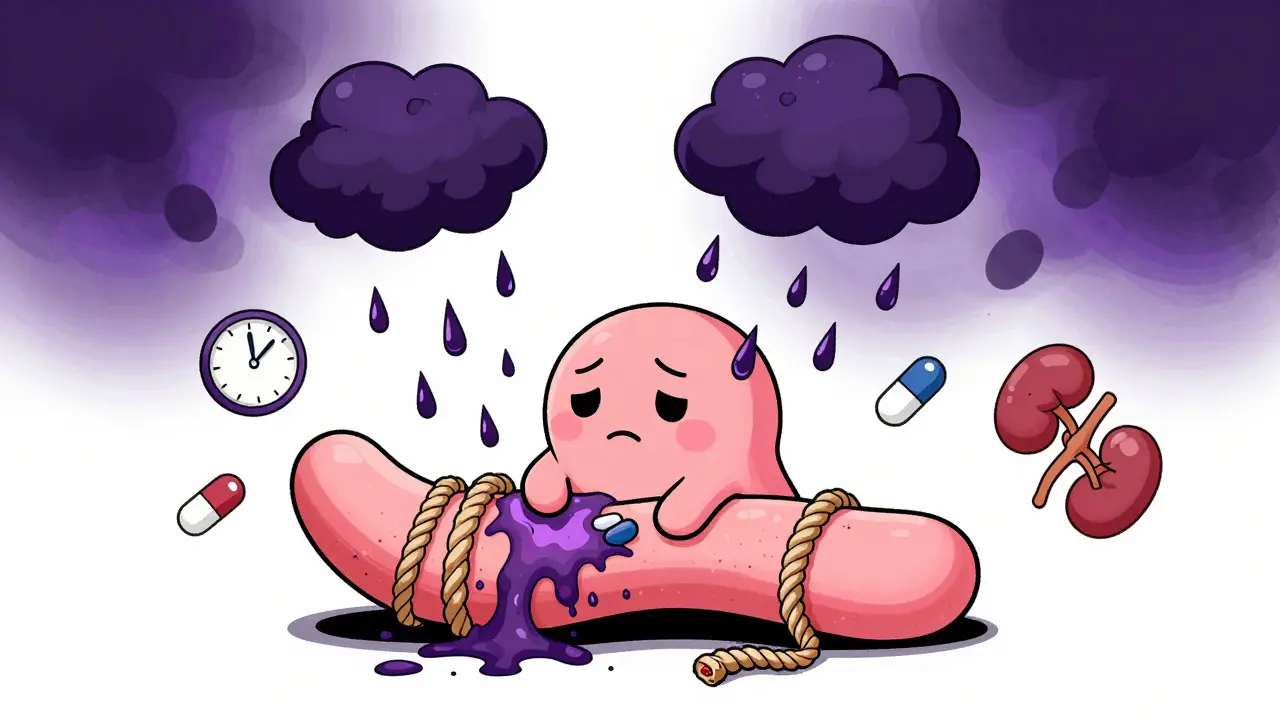
Tendons are tough bands of connective tissue that attach muscle to bone. They rely on specialized cells called tenocytes to maintain their structure. Research suggests that fluoroquinolones may trigger apoptosis (cell death) in these tenocytes. They might also stimulate the release of nitric oxide and oxygen-derived free radicals, which cause oxidative stress and damage the collagen fibers that give tendons their strength. Essentially, the drug weakens the structural integrity of the tendon, making it susceptible to tearing under normal physical stress.
The Achilles tendon is by far the most vulnerable site, accounting for nearly 90% of reported cases. This makes sense biomechanically, as the Achilles bears immense weight and tension during walking and running. However, other tendons, including those in the shoulder, hand, and knee, can also be affected. What’s alarming is that up to 50% of cases involve bilateral injury-meaning both heels or both shoulders are damaged simultaneously.
Who Is Most at Risk? Identifying High-Risk Profiles
Not everyone who takes a fluoroquinolone will suffer tendon damage. However, certain factors significantly amplify the danger. If you fall into one of these categories, the risk-benefit calculation changes dramatically.
- Age: People over 60 years old are at substantially higher risk. A study published in JAMA Internal Medicine found that patients aged 80 and older had an odds ratio of 20.4 for tendon rupture compared to younger users. Aging tendons naturally lose elasticity and blood supply, making them more fragile.
- Corticosteroid Use: This is perhaps the most critical interaction. Taking fluoroquinolones alongside oral or injected corticosteroids (like prednisone) increases the risk of tendon rupture by up to 46-fold. Both substances weaken tendon structure through different mechanisms, creating a perfect storm for injury.
- Organ Transplant Recipients: Patients who have received kidney, heart, or lung transplants are at elevated risk, likely due to the immunosuppressive drugs they take concurrently and the physiological stress on their bodies.
- Renal Impairment: If your kidneys don’t filter waste efficiently, fluoroquinolones can accumulate in your system to toxic levels, increasing the likelihood of side effects.
- History of Tendon Issues: If you’ve previously suffered from tendinitis or a rupture, your tendons are already compromised.
It’s worth noting that while some recent studies, such as one from Japan, suggested the risk might be lower than previously thought, the consensus among major health agencies remains cautious. The potential for permanent disability outweighs the uncertainty.
Timing Matters: When Do Symptoms Appear?
One of the trickiest aspects of fluoroquinolone-induced tendinopathy is its timing. Many people assume that if they haven’t felt pain after two weeks, they’re safe. That’s not true.
Data shows that the median onset of symptoms is just 6 days after starting treatment. About 85% of cases occur within the first month of exposure. However, the danger doesn’t end when you finish the prescription. Symptoms can emerge months after discontinuing the drug. In fact, roughly half of all tendon ruptures associated with these antibiotics happen after the patient has stopped taking them. This delayed onset complicates diagnosis, as patients and doctors may not immediately connect the injury to the antibiotic taken weeks prior.
In extreme cases, pain has started within hours of the first dose. This variability means vigilance is required throughout the entire course of treatment and for several months afterward.
Recognizing the Warning Signs
You cannot prevent a rupture if you ignore the early signals. Tendinopathy usually precedes a full tear. Knowing what to look for can save your mobility.
The earliest sign is often mild pain or stiffness in the tendon area, typically the back of the heel or above the ankle. This pain may worsen with activity. As the condition progresses, you might notice swelling, redness, or warmth around the tendon. Some patients describe a 'creaking' sensation when moving the joint.
A sudden, loud 'pop' accompanied by intense pain and an inability to bear weight indicates a complete tendon rupture. This is a medical emergency requiring immediate surgical evaluation. Delaying treatment can lead to permanent weakness and difficulty walking.
What Should You Do If You’re Prescribed a Fluoroquinolone?
If your doctor prescribes a fluoroquinolone, it’s usually because they believe the benefits outweigh the risks. These drugs are still vital for treating serious infections like complicated urinary tract infections, anthrax exposure, or certain respiratory infections where other antibiotics have failed. However, you should be an active participant in your care.
- Discuss Alternatives First: Ask if there are safer antibiotics available for your specific infection. For many common conditions, beta-lactams (like penicillins) or macrolides are effective and carry no tendon risk.
- Review Your Medications: Ensure your doctor knows if you are taking any corticosteroids, even topical ones or inhalers, though systemic steroids pose the greatest risk.
- Monitor Closely: Pay attention to any unusual pain in your joints or tendons. Do not brush it off as 'just being stiff.'
- Stop Immediately if Pain Occurs: At the first sign of tendon pain, swelling, or inflammation, stop taking the medication and contact your healthcare provider. Do not wait to see if it gets better.
- Rest and Immobilize: If symptoms appear, avoid using the affected limb. Early rest can prevent a partial tear from becoming a complete rupture.

Comparison of Common Antibiotics and Tendon Risk
| Antibiotic Class | Common Examples | Tendon Rupture Risk | Primary Use Cases |
|---|---|---|---|
| Fluoroquinolones | Ciprofloxacin, Levofloxacin, Moxifloxacin | High (Black Box Warning) | Complicated UTIs, Respiratory infections, Anthrax |
| Beta-Lactams | Amoxicillin, Cephalexin | Very Low/Negligible | Skin infections, Ear infections, Mild UTIs |
| Macrolides | Azithromycin, Clarithromycin | Low (Rare cardiac risks) | Respiratory infections, Skin infections |
| Tetracyclines | Doxycycline | Low | Lyme disease, Acne, Certain bacterial infections |
Regulatory Landscape and Current Guidelines
The medical community has responded aggressively to these risks. In 2018, the FDA strengthened its black-box warning to highlight that tendonitis and tendon rupture can occur within days or months of treatment and may be irreversible. Similarly, the MHRA in the UK restricted fluoroquinolone prescriptions in 2019, limiting their use to serious bacterial infections only when no suitable alternative exists.
The European Medicines Agency (EMA) implemented similar restrictions. These guidelines reflect a shift in prescribing habits: fluoroquinolones are no longer first-line treatments for simple infections. They are now considered reserve agents, used when the threat of the infection outweighs the known risks of the drug.
Despite these warnings, fluoroquinolones remain widely prescribed. In the United States alone, millions of prescriptions are written annually. This gap between guideline recommendations and clinical practice underscores the need for patient awareness. You must advocate for yourself.
Recovery and Long-Term Outlook
If you experience tendon pain, early intervention is key. Stopping the drug and resting the affected area can allow the tendon to heal before a rupture occurs. Physical therapy plays a crucial role in rehabilitation, focusing on gradual strengthening and flexibility exercises.
In cases of complete rupture, surgery is often required to reattach the tendon. Recovery can take six months or longer, and some patients never regain full strength or range of motion. The psychological impact of losing mobility should not be underestimated. Preventative measures are far superior to reactive treatment.
Researchers are currently investigating genetic markers that might predict susceptibility to fluoroquinolone toxicity. Until then, the best protection is informed caution. Know your medications, know your risk factors, and listen to your body.
Can I take ibuprofen with fluoroquinolones to help with tendon pain?
No, you should not self-medicate with NSAIDs like ibuprofen if you suspect fluoroquinolone-induced tendinopathy. While NSAIDs reduce pain, they can mask the severity of the injury, leading you to continue using the tendon and potentially causing a rupture. More importantly, some studies suggest NSAIDs may further impair tendon healing. Always consult your doctor before adding any new medication.
How long does the risk of tendon rupture last after stopping fluoroquinolones?
The risk persists for at least 6 months after discontinuing the medication. Data indicates that approximately 50% of tendon ruptures occur after the patient has finished their course of antibiotics. Therefore, you should remain vigilant for any signs of tendon pain or swelling for several months post-treatment.
Are all fluoroquinolones equally dangerous?
While all fluoroquinolones carry a risk, some are more frequently associated with tendon issues than others. Levofloxacin and ciprofloxacin account for the majority of reported cases in pharmacovigilance databases. However, the FDA applies the black-box warning to the entire class, meaning moxifloxacin, gemifloxacin, and others also pose significant risks.
What should I do if I hear a pop in my ankle while taking ciprofloxacin?
A 'pop' followed by pain and inability to walk is a classic sign of an Achilles tendon rupture. Stop taking the antibiotic immediately. Do not put weight on the affected leg. Seek emergency medical attention right away. Early surgical repair offers the best chance for recovery and functional restoration.
Can children take fluoroquinolones safely?
Fluoroquinolones are generally avoided in children and adolescents due to concerns about cartilage development and tendon damage, unless the benefits clearly outweigh the risks (e.g., inhaled anthrax exposure). Pediatricians prefer safer alternatives for common childhood infections.