Postpartum Thyroiditis: What It Is, How It Affects New Moms, and What to Do
When your body changes after giving birth, it’s normal to feel tired, moody, or overwhelmed. But if you’re also losing weight without trying, feeling shaky, or suddenly crashing into exhaustion, it might not be just sleep deprivation. Postpartum thyroiditis, a temporary thyroid inflammation that occurs after childbirth. It’s a type of autoimmune thyroid disorder that can flip between hyperthyroid and hypothyroid phases, often without clear warning signs. It’s not rare—up to 1 in 5 women develop it, yet most doctors don’t screen for it unless symptoms are extreme. And because it mimics postpartum depression or just "being a new mom," it’s often missed.
This condition usually shows up between 1 and 8 months after delivery. Some women start with a hyperthyroid phase—racing heart, anxiety, heat intolerance—then swing into a hypothyroid phase with weight gain, dry skin, brain fog, and deep fatigue. For many, thyroid function returns to normal within a year. But for about 20%, it becomes permanent hypothyroidism, requiring lifelong treatment. Thyroid antibodies, specific immune proteins that attack the thyroid gland are the root cause, and women with Type 1 diabetes or a history of thyroid issues are at higher risk. You can’t prevent it, but catching it early means you can manage symptoms before they wreck your sleep, mood, or energy.
What’s confusing is that you might not need medication at all. In mild cases, doctors watch and wait. Beta-blockers can help with rapid heartbeat during the hyperthyroid phase. If you slip into hypothyroidism and feel terrible, a short course of levothyroxine can make a huge difference. The key is testing—TSH, free T4, and thyroid antibody levels—because symptoms alone aren’t enough. Many women feel better within months, but if your thyroid doesn’t bounce back, you’re not broken—you just need ongoing care.
Below, you’ll find real, practical guides from women who’ve been through this, doctors who treat it, and studies that show what actually works. No fluff. Just clear answers on how to recognize the signs, when to push for blood work, how to talk to your provider, and what treatments are safe if you’re breastfeeding. This isn’t just about hormones—it’s about getting your life back after birth.
Postpartum Thyroiditis: What You Need to Know About Temporary Thyroid Dysfunction After Pregnancy
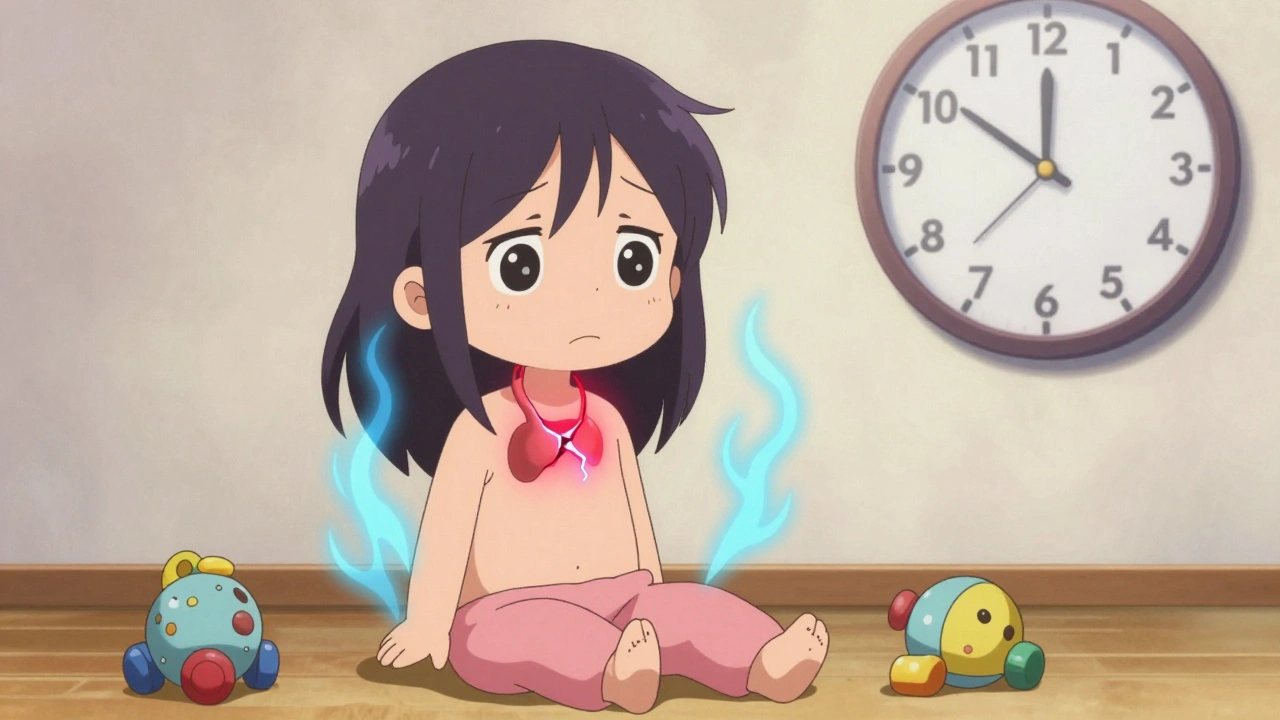
Postpartum thyroiditis is a temporary autoimmune thyroid disorder affecting 5-10% of women after childbirth. It causes alternating hyperthyroid and hypothyroid phases with fatigue, weight changes, and brain fog-often mistaken for postpartum depression. Early blood tests can confirm it and prevent long-term damage.
read more