Post-Discharge Meds: What You Need to Know to Stay Safe After Hospital
When you leave the hospital, your post-discharge meds, the list of medications you’re sent home with after a hospital stay. Also known as discharge prescriptions, these drugs are meant to help you recover—but they’re also one of the biggest causes of readmissions. Too often, patients get handed a stack of pills with no clear plan, no one to ask, and no way to tell if what they’re taking makes sense together. It’s not just about remembering to take them—it’s about understanding why you’re taking them, when to take them, and what could go wrong.
Many people don’t realize that medication reconciliation, the process of comparing a patient’s current meds with what they were prescribed before and after hospitalization is supposed to happen before you walk out the door. But in real life, it often doesn’t. A patient might leave with a new blood thinner, a new antibiotic, and a new painkiller—all without knowing how they interact, or if they conflict with meds they’ve been on for years. That’s where things get risky. Studies show nearly 1 in 5 patients have a medication error within 30 days of leaving the hospital, and half of those are directly tied to poor discharge planning. Drug interactions, when two or more medications affect each other’s effectiveness or safety are especially common with older adults, people with multiple conditions, or those on chronic meds like anticoagulants or acid reducers. Even something as simple as taking a proton pump inhibitor with an HIV drug can cut its absorption in half. And if you’re on warfarin or DOACs? A single new antibiotic can throw your blood levels off, leading to clots or bleeding.
It’s not just about the pills themselves—it’s about how they’re managed. pill organizers, tools used to sort daily medications by time of day can help, but only if you know which drugs are safe to put in them. Some meds lose potency if exposed to air or moisture. Others, like insulin or certain antibiotics, need refrigeration. And if you’re breastfeeding, taking steroids, or recovering from surgery, some meds might need to be paused, timed differently, or avoided altogether. You also need to know how to check for recalls, verify dosing (especially for kids), and spot signs of manufacturing defects in generics. All of this ties into the bigger picture: post-discharge meds aren’t just a list—they’re a system. And if any part of that system breaks, your health is at risk.
That’s why the articles below cover everything from how to appeal a denied generic prescription, to how to safely store meds at home, how to avoid overdosing with a pill box, and why some doctors insist on brand-name drugs even when generics are cheaper. You’ll find real-world advice on handling partial fills, checking lot numbers for recalls, managing anticoagulants before surgery, and understanding why your insurance might block a drug you were told was essential. These aren’t theoretical guides—they’re tools made by people who’ve seen what happens when discharge meds go wrong. Whether you’re a patient, caregiver, or healthcare worker, this collection gives you the clear, no-fluff facts you need to get it right the first time—and stay out of the hospital next time.
How to Reconcile Medications After Hospital Discharge to Avoid Dangerous Interactions
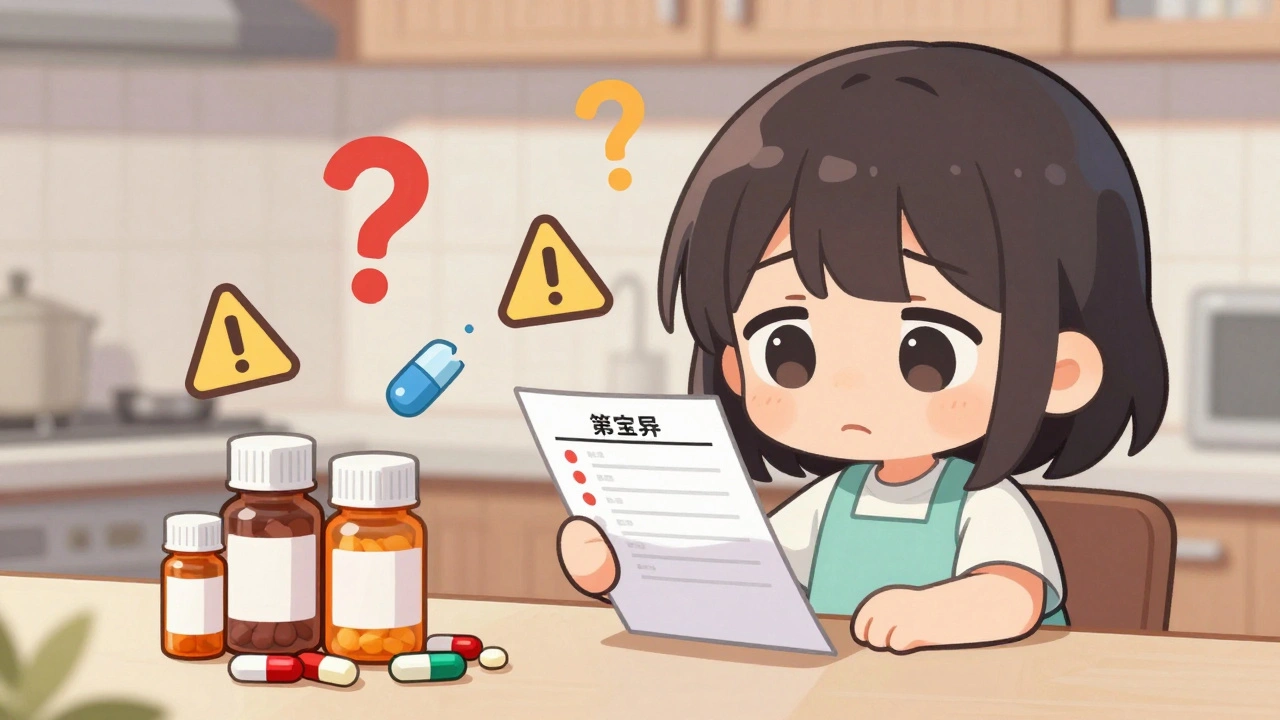
After hospital discharge, medication errors cause thousands of preventable readmissions. Learn how to reconcile your meds step by step to avoid dangerous drug interactions and stay safe at home.
read moreRecent Post
-

6 Best Alternatives to Inderal in 2025
Mar, 18 2025
-

Order Seroquel Safely: What You Need To Know
Feb, 27 2025