FDA Approval: What It Means for Your Medications and Why It Matters
When you hear FDA approval, the U.S. Food and Drug Administration’s official endorsement that a drug is safe and effective for its intended use. Also known as drug clearance, it’s the gatekeeper between a medicine and your medicine cabinet. But approval isn’t a one-time stamp—it’s the start of ongoing monitoring. The FDA doesn’t just check a box and walk away. It tracks side effects, recalls faulty batches, and updates guidelines as new data comes in. That’s why a drug approved ten years ago might have new warnings today, and why your pharmacy might switch your prescription from brand to generic without you noticing.
FDA approval ties directly to generic drugs, medications that contain the same active ingredient as brand-name drugs but cost far less. Also known as bioequivalent drugs, they must meet the same strict standards for strength, purity, and performance. The FDA doesn’t treat generics as second-class. They’re held to the same testing rules. But manufacturing flaws—like inconsistent dosing or contamination—can still slip through, which is why lot number checks and recall alerts matter. And while media headlines sometimes paint generics as risky, the science says otherwise: over 90% of U.S. prescriptions are filled with generics because they work just as well.
Behind every approved drug is a system of checks: drug safety, the ongoing process of identifying and managing risks after a drug hits the market. Also known as pharmacovigilance, it’s how clinicians spot rare side effects using EHR alerts, how patients report reactions through FDA portals, and how dosing rules change for people with kidney disease or those on multiple medications. That’s why your doctor might say "Do Not Substitute" on a prescription—sometimes, even small differences in inactive ingredients can affect how a drug behaves in your body. It’s also why temperature control, pill organizers, and medication reconciliation after hospital stays are part of the bigger picture.
FDA approval doesn’t guarantee perfection, but it does mean a drug has passed the toughest review in the world. It’s why you can trust that your metformin for diabetes, your beta-blocker for tremors, or your anticoagulant before surgery has been tested across thousands of people. But approval is just the beginning. What happens after the pill leaves the factory—how it’s stored, how it’s taken, how it interacts with other drugs—is just as important. That’s why the posts here cover everything from how to appeal a denied generic prescription to how to check if your meds are part of a recall. You’re not just reading about rules—you’re learning how to use them to protect yourself.
Hatch-Waxman Amendments: How Landmark Law Made Generic Drugs Possible
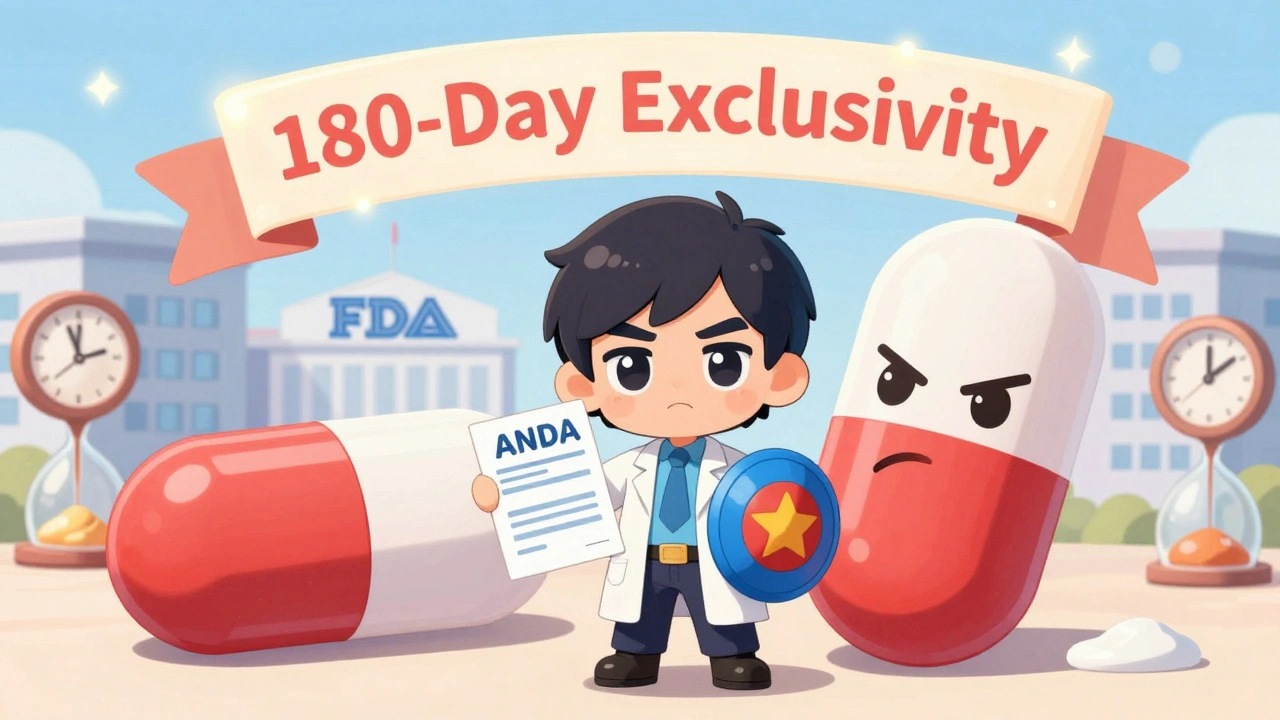
The Hatch-Waxman Act of 1984 created the modern system for generic drugs in the U.S., cutting approval costs and speeding access. It balanced brand-name patent protection with generic competition, leading to 90% of prescriptions now being filled with generics.
read more