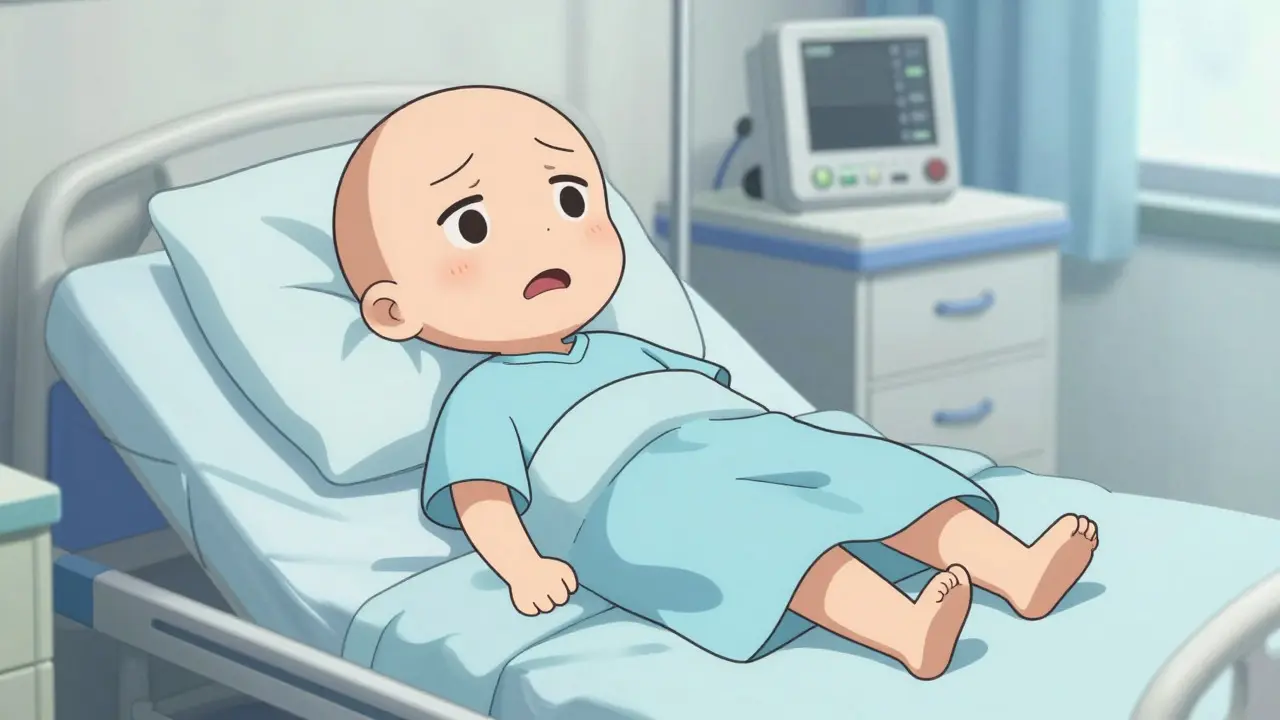
Waking up in a hospital bed after an accident, only to find your legs unresponsive, is a terrifying moment for anyone. But the story doesn't end there. For the roughly 17,810 people in the United States who sustain a new Spinal Cord Injury each year, the real battle begins with understanding what was lost and how much can be regained. It’s not just about moving again; it’s about reclaiming independence, managing daily tasks, and adapting to a new reality with the help of modern medicine and technology.
The path forward isn't one-size-fits-all. Whether you are dealing with a complete or incomplete injury, the level of damage on your spine dictates your recovery goals. This guide breaks down the specific functions affected by SCI, outlines the critical phases of rehabilitation, and explores the assistive devices that bridge the gap between disability and active living.
Understanding Function Loss After Spinal Cord Injury
To understand rehab, you first need to know exactly what changed. A Spinal Cord Injury (SCI) is damage to the spinal cord resulting in temporary or permanent loss of motor, sensory, and autonomic function below the level of injury. The severity depends on two main factors: the level of the injury (which vertebra is damaged) and the completeness of the injury (whether any signals still get through).
- Motor Function: This involves muscle control. In a complete injury, voluntary movement stops below the injury site. In an incomplete injury, some strength may remain, allowing for partial movement.
- Sensory Function: You lose the ability to feel touch, temperature, and pain below the injury. This is crucial for safety, as you might burn yourself or develop pressure sores without realizing it.
- Autonomic Function: This controls involuntary systems like bladder and bowel control, blood pressure regulation, and sexual function. Managing these often requires daily routines that take 45 to 90 minutes.
The location matters immensely. An injury at C1-C4 (high cervical) often affects breathing, requiring ventilator support or diaphragm pacing. Injuries at C5-C6 usually allow arm movement but limit hand dexterity. Thoracic injuries (T1-T12) preserve arm function but affect trunk stability and leg movement. Lumbar injuries (L1-L5) primarily affect leg and hip muscles while sparing most upper body function.
The Rehabilitation Timeline: From Acute to Community Reintegration
Rehabilitation isn't something you start months later; it begins immediately. Modern protocols show that starting within 24 to 72 hours of medical stabilization significantly improves outcomes. Here is how the process typically unfolds:
- Acute Phase (First Few Days): The focus is on survival and preventing secondary complications. Nurses and therapists work on positioning to prevent skin breakdown, respiratory care to clear lungs, and passive range of motion (ROM) exercises. If you have spasticity (muscle stiffness), ROM must be done 2-3 times daily to keep joints flexible.
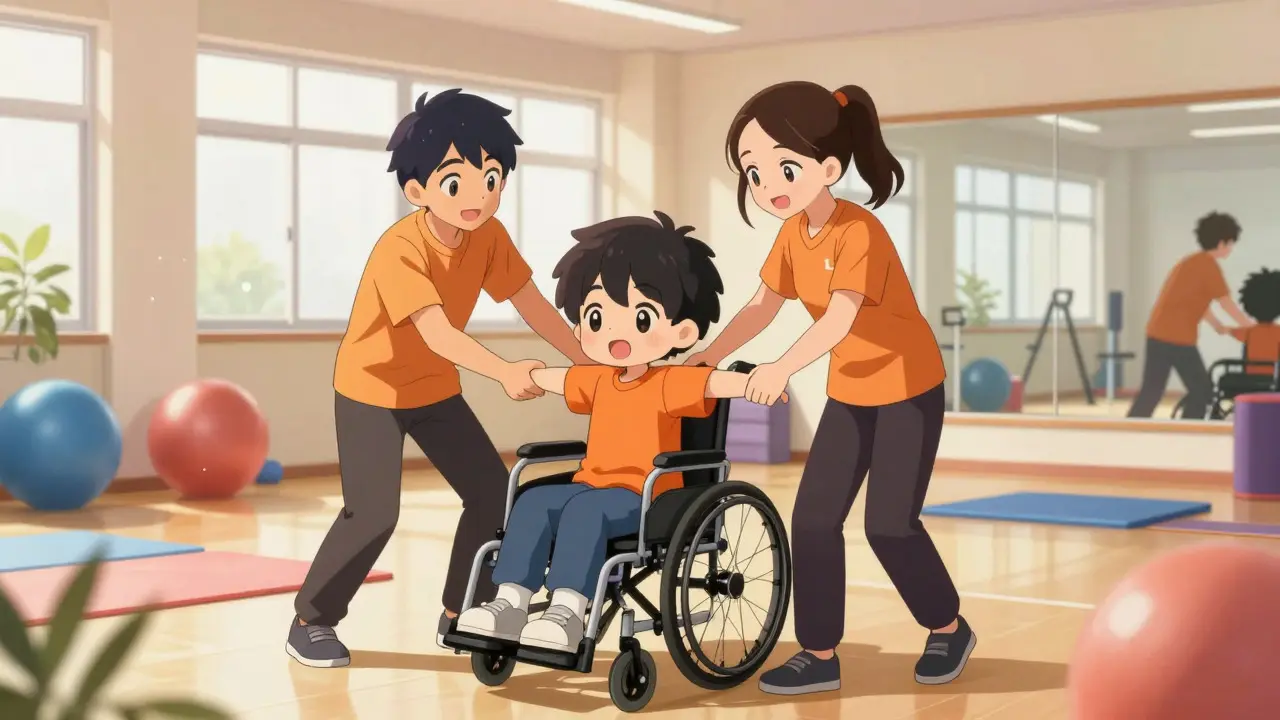
- Subacute Phase (2-12 Weeks): This is the intensive period. You will likely spend 6-12 weeks in an inpatient facility. The goal shifts to learning skills: transfers from bed to chair, wheelchair mobility, and basic self-care. You’ll participate in at least three hours of therapy five days a week, working with a team that includes physical therapists, occupational therapists, and neuropsychologists.
- Community Reintegration (3-6 Months+): Once you’re stable, you move to outpatient care or home programs. This phase focuses on returning to work, social activities, and long-term maintenance. Outpatient sessions drop to 2-3 times a week, but consistency is key.
For those with incomplete injuries, the prognosis is more optimistic. Data from the Spinal Cord Injury Model Systems indicates that individuals with incomplete injuries can achieve 80-90% of their functional potential within the first year. However, for complete injuries, gains are more limited, with only 1-3% of complete paraplegics regaining ambulatory function compared to 59% of those with incomplete injuries.
Key Therapies and Medical Interventions
Rehab is more than just exercise. It’s a multidisciplinary approach designed to maximize every bit of remaining function and manage complications.
Physical and Occupational Therapy
Physical therapy (PT) targets large muscle groups and mobility. Occupational therapy (OT) focuses on fine motor skills and daily living tasks like dressing and eating. Both use specific techniques tailored to your injury level. For example, if you have a C5-C6 injury, therapists will pay special attention to preventing elbow contractures (permanent bending) which can severely limit function.
Managing Spasticity and Pain
Spasticity affects 65-78% of people with SCI. It’s not just uncomfortable; it can interfere with walking or using a wheelchair. Treatment is individualized. Doctors often combine oral medications like baclofen with targeted botulinum toxin injections for specific muscle groups. This combination has been shown to reduce spasticity scores by 40-60% in nearly 80% of patients.
Respiratory Care
If your injury is high cervical (C1-C5), breathing is a major concern. Interventions like assisted coughing, percussion, and incentive spirometry are vital. Studies show these techniques reduce pneumonia incidence by 65% in high cervical injuries. Newer options include fully implantable diaphragm pacing systems, approved by the FDA in 2022, which can reduce ventilator dependence by 74%.
Assistive Devices and Emerging Technologies
Technology has transformed life with SCI. These tools aren't just crutches; they are extensions of your body that restore capability.
| Device Type | Primary Function | Best For | Limitations |
|---|---|---|---|
| Manual Wheelchairs | Basic mobility and independence | Most SCI levels with intact upper limbs | Requires significant upper body strength; risk of shoulder strain |
| Powered Wheelchairs | Long-distance travel and reduced effort | Cervical injuries with limited arm strength | Higher cost ($10k-$30k); heavier; complex controls |
| FES Cycling Units | Cardiovascular health and muscle maintenance | Incomplete injuries or those wanting leg engagement | High out-of-pocket cost (~$5,000 for home units) |
| Robotic Exoskeletons (e.g., Ekso, ReWalk) | Gait training and standing balance | Incomplete paraplegia seeking walking practice | Requires 2-3 therapists; limited to 30-45 min sessions; expensive |
Functional Electrical Stimulation (FES) is a standout technology. It uses small electrical pulses to stimulate paralyzed muscles, causing them to contract. FES cycling, for instance, engages the legs during exercise. Research shows it increases peak oxygen consumption by 14.3% compared to conventional arm cycling, offering significant cardiovascular benefits.
Robotic exoskeletons like the Ekso and ReWalk allow users to stand and walk with assistance. While they provide emotional boosts and gait training, they are resource-intensive. Sessions are often limited to 30-45 minutes due to energy expenditure, and they require multiple therapists to operate safely. Despite this, for many, the experience of taking steps again is invaluable.

Navigating Costs and Insurance Challenges
A major hurdle for many is financial. The SCI rehabilitation market is growing, valued at $1.87 billion in 2023, but costs fall heavily on patients. Medicare, for example, covers only 80% of wheelchair costs after the deductible. This leaves an average out-of-pocket expense of $1,200 to $3,500 for specialized seating systems alone.
Advanced technologies like home FES units can cost around $5,000 upfront. Many patients report that insurance coverage is inconsistent, leading to delayed access to beneficial tools. It’s crucial to work closely with case managers early in your rehab journey to document the medical necessity of each device, as this documentation is key to securing reimbursement.
Practical Tips for Patients and Caregivers
Recovery is a marathon, not a sprint. Here are practical strategies to make the journey smoother:
- Prevent Shoulder Injuries: Improper transfer techniques cause 32% of secondary shoulder injuries in caregivers and patients. Always learn proper lifting and sliding techniques from your OT.
- Stay Consistent with Home Exercise: 68% of patients discontinue home exercise programs within six months due to lack of motivation. Set specific, small goals and track progress to stay engaged.
- Utilize Peer Support: 82% of patients report that peer counseling significantly improves adjustment. Connecting with others who have walked the same path provides unique insights and emotional resilience.
- Monitor Skin Daily: Use mirrors and check pressure points regularly. Since sensation is lost, visual checks are your primary defense against pressure ulcers.
Remember, the goal of rehab isn't necessarily to return to your pre-injury self, but to build a new, functional life. With the right mix of therapy, technology, and support, you can achieve a high level of independence and quality of life.
How long does spinal cord injury rehabilitation last?
Intensive inpatient rehabilitation typically lasts 6 to 12 weeks. However, recovery is ongoing. Outpatient therapy and community reintegration programs continue for months or years, focusing on maintaining gains and adapting to life changes.
Can people with complete spinal cord injuries walk again?
It is rare. Only 1-3% of individuals with complete paraplegia regain independent ambulatory function. However, many can learn to walk with the assistance of robotic exoskeletons or braces for therapeutic and recreational purposes.
What is the difference between complete and incomplete SCI?
A complete injury means no motor or sensory function remains below the level of injury. An incomplete injury means some function (movement or sensation) persists below the injury site, even if it is weak or inconsistent. Incomplete injuries generally have better recovery potential.
How much does a powered wheelchair cost?
Prices vary widely based on features and customization, but they typically range from $10,000 to over $30,000. Insurance often covers a portion, but out-of-pocket costs can still be significant, averaging $1,200 to $3,500 for specialized seating components.
What role does FES play in recovery?
Functional Electrical Stimulation (FES) helps maintain muscle mass and improve cardiovascular health by stimulating paralyzed muscles. It is particularly effective for upper limb function and lower limb conditioning during cycling, offering benefits beyond traditional arm exercises.






Simon-Pierre Bouchard
August 22, 2026 AT 03:59So we are supposed to be amazed by robotic exoskeletons that cost a small fortune and require three therapists just to keep you from falling over, while the basic manual wheelchair still breaks your shoulders after two years of use? The engineering is impressive, sure, but the accessibility model is about as solid as wet cardboard. It's like trying to fix a pothole with a satellite dish.
Vivek sharma
August 24, 2026 AT 03:26This article captures the essence of resilience very well :)
Rehabilitation is not just about the body, it is a journey of the soul. In many cultures, we believe that the spirit must heal before the limbs can truly move again. The mention of peer support is crucial because isolation is the silent killer in recovery. We must remember that technology is a tool, but human connection is the fuel that drives us forward. Keep pushing, the future is bright! :D
Garry Hedges
August 24, 2026 AT 14:09honestly the insurance part is the real boss fight here. everyone talks about the tech but nobody mentions that you gotta beg for coverage. i had to write my own appeal letter because the case manager was asleep at the wheel. if you dont document everything you will lose. its brutal but true. stay strong out there.
Jamaal Johnson
August 25, 2026 AT 19:39It is rather dramatic how the narrative shifts from medical necessity to financial burden so abruptly, isn't it? One moment we are discussing diaphragm pacing, a marvel of modern bio-engineering, and the next we are haggling over deductible amounts. The juxtaposition is almost theatrical in its cruelty. Yet, one must acknowledge the sheer willpower required to navigate such bureaucratic labyrinths while simultaneously undergoing physical therapy. It is a testament to human endurance, albeit a painful one.
Ankit Sinha
August 26, 2026 AT 14:44You guys really think a $30k wheelchair is the end of the world? I've seen people spend more on cars they never even drive. The real issue is that most patients don't even show up to their appointments. Motivation is low. The data says 68% quit home exercise. So stop complaining about the chair and start showing up to PT. It's simple logic. If you want results, put in the work. Otherwise, sit there and wonder why progress is slow.
Jw George John Warren
August 27, 2026 AT 04:44Oh wow, another post telling us that 'recovery is a marathon' 🙄🔥 Let's all pretend that having no sensation in your legs doesn't make every single day feel like a horror movie. And don't get me started on the 'emotional boost' from exoskeletons. Sure, walking for 30 minutes with 3 nurses hovering over you feels amazing, right? 💀 Just ignore the fact that you're basically a puppet for half an hour. Love the optimism though, keep dreaming!
Rachel Robinson Interiors
August 28, 2026 AT 00:50Please remember that consistency is key, no matter how frustrating the process may seem. Small victories, like shifting weight independently or managing bladder routines without assistance, are significant milestones that deserve recognition. Do not underestimate the power of routine; it builds confidence and reduces anxiety over time. Your body is learning new pathways, and patience is your greatest ally in this transition.
Jesse Barlau
August 28, 2026 AT 11:37While the enthusiasm for technological advancements is certainly understandable, it is worth noting that the foundational aspects of rehabilitation, such as proper positioning and skin care, remain the most critical factors in preventing long-term complications, which often stem from neglect rather than a lack of advanced equipment, and therefore, ensuring that caregivers are thoroughly trained in these basics should perhaps take precedence over investing in high-cost devices that may only offer marginal benefits for specific subsets of patients.
olatunde oluranti
August 29, 2026 AT 09:50They say it's medicine but it's actually a money grab. Big Pharma loves spasticity meds. You pay for them forever. The government knows. That's why insurance is so hard to get. They want you dependent. Wake up people. The robots are just to keep you entertained while they drain your wallet. Trust no one.
teresa baldini
August 31, 2026 AT 01:37Actually... ...it is quite likely that the entire premise of 'recovery' is a myth sold to keep you compliant... ...and yet... ...we all play along... ...don't we?... ...the irony is delicious... ...but the bills are real... ...and the pain... ...is very much so... ...keep going... ...or don't... ...it's your choice... ...really... ...just saying...