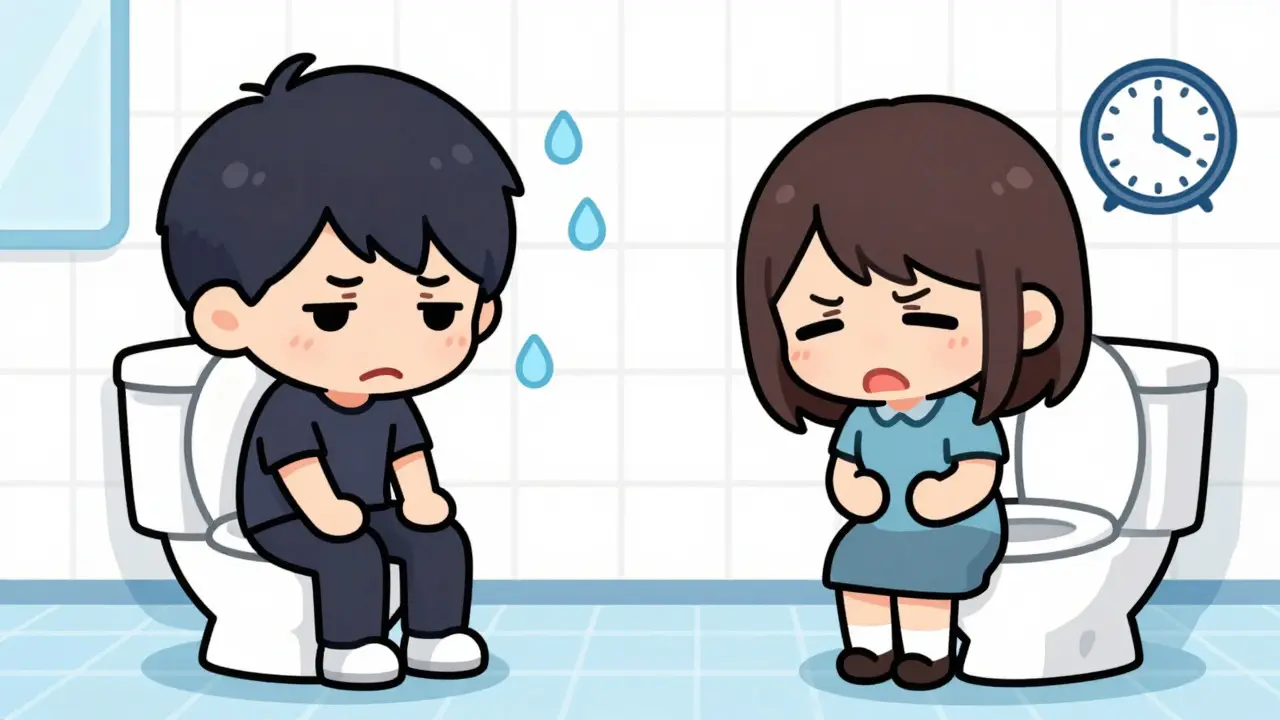
Waking up to a sudden stomach cramp that makes you rush to the bathroom before your first coffee is a reality for millions of people. If you’ve spent years guessing which food caused last night’s flare-up or worrying about whether a change in bowel habits signals something serious, you’re not alone. Irritable Bowel Syndrome is a chronic functional gastrointestinal disorder characterized by recurrent abdominal pain associated with altered bowel habits in the absence of detectable structural or biochemical abnormalities. It affects roughly 10-15% of the global population, with women making up about two-thirds of diagnosed cases in Western countries. The good news? While there’s no single cure, understanding the specific mechanics of your condition can turn the chaos of symptom management into a structured, manageable routine.
Key Takeaways
- IBS is defined by the Rome IV criteria as recurrent abdominal pain occurring at least one day per week for three months, linked to changes in stool frequency or form.
- Dietary factors, particularly high-FODMAP foods, trigger symptoms in approximately 70% of patients, while stress exacerbates issues in 60-80% of cases.
- Treatment is highly individualized; medications like Linaclotide help constipation, while Rifaximin targets diarrhea-predominant subtypes.
- Diagnosis requires ruling out "red flag" symptoms such as unexplained weight loss or rectal bleeding, often involving blood tests and potentially a colonoscopy.
- A multimodal approach combining diet, stress management, and targeted medication yields the best long-term results for most patients.
Understanding the Core Symptoms and Subtypes
Before jumping into treatments, it helps to pinpoint exactly what type of IBS you might be dealing with. Medical professionals categorize the condition into three main subtypes based on your predominant bowel habit. This distinction matters because the treatment for one type might worsen the other.
The most common subtype is IBS-D (diarrhea-predominant), affecting about 40% of patients. You’ll likely experience watery stools and a sudden, intense urge to go. Next is IBS-C (constipation-predominant), impacting roughly 35% of individuals, where straining and a feeling of incomplete evacuation are the norm. Finally, IBS-M (mixed type) accounts for the remaining 25%, where you alternate between loose stools and hard, dry ones. Beyond the bathroom struggles, many people report bloating that makes their abdomen feel uncomfortably full, especially after eating. Some also notice mucus in their stool or increased gas. Interestingly, about 70% of patients experience extraintestinal symptoms, such as acid reflux, nausea, or even non-cardiac chest pain, which can make the diagnosis tricky if you only focus on your stomach.
Identifying Your Personal Triggers
If you’ve ever wondered why a simple cup of coffee or a stressful work meeting leads to a day of discomfort, you’re hitting on the core complexity of IBS. There isn’t one universal trigger; instead, it’s usually a combination of factors that disrupt your gut-brain axis.
| Trigger Category | Specific Examples | Prevalence in Patients |
|---|---|---|
| Dietary Factors | High-FODMAP foods, caffeine, alcohol, fatty foods | ~70% |
| Psychological Stress | Work pressure, anxiety, life events | 60-80% |
| Hormonal Changes | Menstrual cycle fluctuations | 60-70% of female patients |
| Medication Side Effects | Antibiotics disrupting gut microbiota | ~25% |
Diet plays a massive role. Foods high in FODMAPs-fermentable oligosaccharides, disaccharides, monosaccharides, and polyols-are frequent culprits. These short-chain carbohydrates sit in the small intestine and draw water into the gut, leading to bloating and altered bowel movements. Think onions, garlic, wheat, and certain fruits like apples. Stress is another major player. Because your gut and brain communicate constantly via the vagus nerve, high stress levels can speed up or slow down digestion, triggering a flare-up. For women, hormonal shifts during the menstrual cycle can significantly worsen symptoms, with many reporting peak discomfort just before or during their period. Even antibiotics, while helpful for infections, can knock your gut microbiome off balance, potentially triggering IBS-like symptoms in a quarter of users.
How Diagnosis Works and What to Watch For
Getting an official diagnosis can take time, often spanning 4-8 weeks and multiple doctor visits. This is because IBS is a diagnosis of exclusion-you have to rule out other conditions first. Doctors use the Rome IV criteria, which require abdominal pain on average at least one day per week in the last three months, associated with defecation or a change in stool frequency/form. However, before confirming IBS, your healthcare provider will look for "red flags."
You should seek immediate further investigation if you experience:
- Onset of symptoms after age 45-50.
- Unexplained weight loss exceeding 10 pounds.
- Rectal bleeding or iron deficiency anemia.
- Nocturnal diarrhea that wakes you from sleep.
- A family history of colon cancer or inflammatory bowel disease.
If these red flags are present, tests like a colonoscopy, celiac serology, or fecal calprotectin testing may be ordered. If they aren’t, the diagnosis is often clinical, relying heavily on your symptom history and physical exam. Don’t be discouraged by the wait; accurate diagnosis ensures you don’t miss a treatable underlying issue like Celiac disease or Inflammatory Bowel Disease.
Medication Options Tailored to Your Subtype
There is no single pill that fixes all IBS. Treatment depends entirely on whether you lean toward diarrhea, constipation, or pain. For those with IBS-D, Rifaximin (Xifaxan) is a non-absorbed antibiotic that reduces bacterial overgrowth in the gut, providing relief for 40-50% of patients. Another option is Eluxadoline (Viberzi), which modulates opioid receptors in the gut to slow motility. Over-the-counter Loperamide (Imodium) remains a staple for quick symptomatic relief, though it doesn’t address the root cause.
For IBS-C sufferers, the goal is to stimulate movement. Linaclotide (Linzess) works by increasing fluid secretion in the intestines, softening stools and easing passage. Similarly, Plecanatide (Trulance) and Lubiprostone (Amitiza) target chloride channels to boost intestinal fluid. If pain is your primary complaint, antispasmodics like Hyoscymine or dicyclomine can relax the smooth muscles of the gut, reducing cramping. Low-dose tricyclic antidepressants, such as amitriptyline, are also prescribed not for depression, but for their ability to modulate pain signals in the gut-brain axis, offering significant relief for global symptoms in many patients.

Lifestyle Adjustments and Dietary Strategies
While medications manage symptoms, lifestyle changes often provide the most sustainable improvement. The low-FODMAP diet is the gold standard for dietary intervention, but it’s not meant to be permanent. It follows a three-phase process: strict elimination (2-6 weeks), systematic reintroduction (8-12 weeks), and personalization. Under the guidance of a registered dietitian, this approach helps identify specific trigger foods, with 70% of patients successfully narrowing down their list. Stress management is equally critical. Techniques like cognitive behavioral therapy (CBT) and gut-directed hypnotherapy have shown efficacy comparable to pharmacological treatments, with response rates of 40-60%. Regular, moderate exercise can also help regulate bowel movements and reduce stress hormones. Remember, consistency beats perfection; small, steady adjustments to your diet and daily routine often yield better long-term results than drastic, unsustainable overhauls.
Frequently Asked Questions
Is IBS a sign of something more serious?
IBS itself is a functional disorder, meaning the structure of your gut looks normal, but its function is disrupted. However, because symptoms overlap with conditions like Crohn's disease or Ulcerative Colitis, doctors must rule out inflammatory bowel disease or celiac disease through testing. If you have red flag symptoms like bleeding or weight loss, further investigation is essential.
Can probiotics help with IBS?
Yes, but strain-specificity matters. Not all probiotics work for everyone. Research suggests that specific strains, such as Bifidobacterium infantis 35624, can improve global symptoms in about 35% of patients compared to placebo. It’s best to consult a healthcare provider before starting any supplement regimen.
How long does it take for IBS medication to work?
Most targeted IBS medications show effectiveness within 2-4 weeks. However, some treatments, particularly low-dose antidepressants used for pain modulation, may require 4-8 weeks to reach optimal therapeutic levels. Patience is key when adjusting dosages.
What is the difference between IBS and IBD?
IBS (Irritable Bowel Syndrome) is a functional disorder with no visible inflammation or damage to the gut lining. IBD (Inflammatory Bowel Disease), which includes Crohn's disease and Ulcerative Colitis, involves chronic inflammation that can cause tissue damage, bleeding, and nutrient malabsorption. IBD typically requires immunosuppressive drugs or surgery, whereas IBS is managed with symptom control and lifestyle changes.
Does stress really cause IBS flares?
Stress doesn't necessarily *cause* IBS, but it is a powerful trigger for flares in 60-80% of patients. The gut-brain axis means that emotional stress can directly influence gut motility and sensitivity, leading to pain, urgency, or constipation. Managing stress is therefore a core component of IBS treatment.