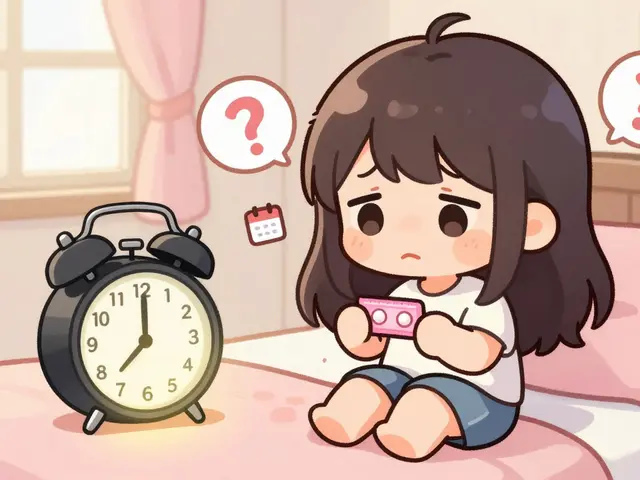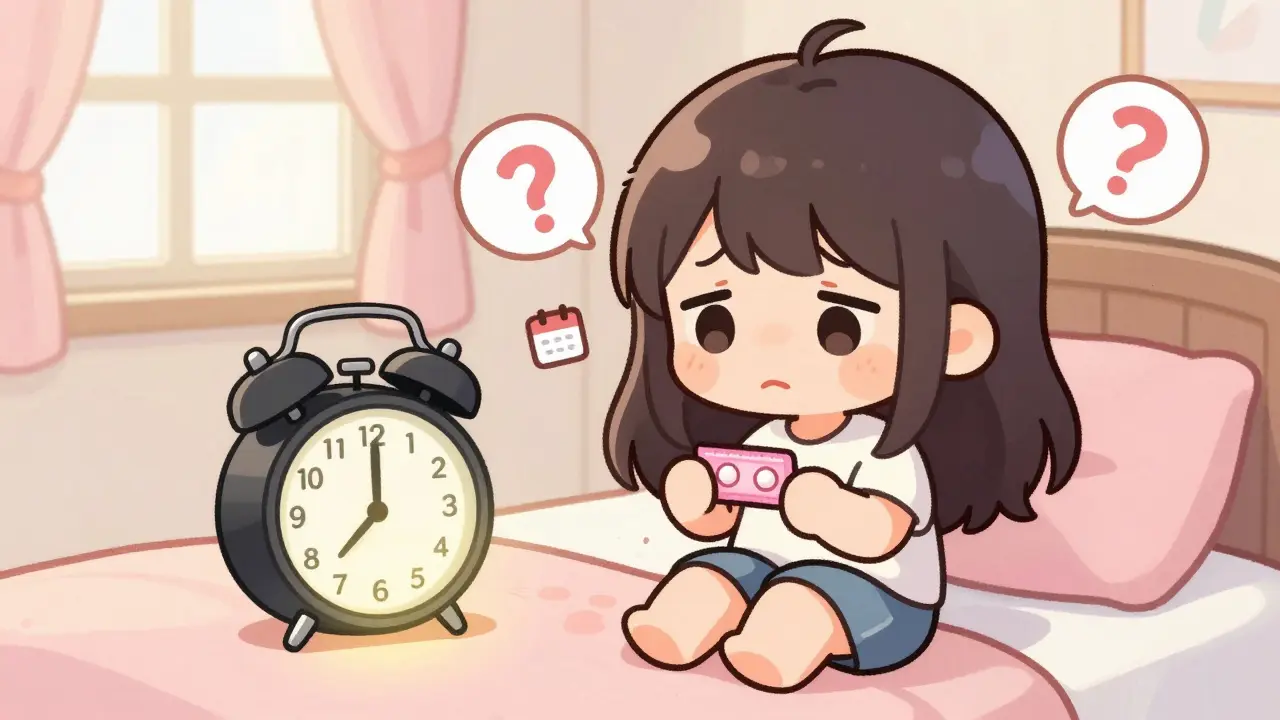
Imagine setting your alarm for 8:00 AM every single day. You hit snooze once, twice, maybe three times. Now imagine that hitting snooze doesn’t just mean you’re late for work-it means you might get pregnant. That is the reality for millions of women relying on birth control pills, which are daily hormonal medications designed to prevent pregnancy by regulating ovulation and thickening cervical mucus. While they remain one of the most popular contraceptive methods globally, their success hinges entirely on consistency. Unlike an IUD or implant that works silently in the background, the pill demands daily attention.
If you are considering starting the pill, switching formulations, or have been taking it for years but want to understand what’s happening inside your body, this guide breaks down the hard numbers. We will look at real-world effectiveness rates, the difference between perfect and typical use, common side effects, and the critical drug interactions that can render the pill useless without you even knowing it.
How Effective Are Birth Control Pills Really?
When people ask if the pill works, the answer depends heavily on how strictly you follow the instructions. There is a massive gap between "perfect use" and "typical use." Perfect use means taking the pill at the exact same time every day, never missing a dose, and having no vomiting or severe diarrhea that affects absorption. Under these ideal conditions, the failure rate is less than 1% per year. In other words, fewer than 1 out of 100 women using the pill perfectly will get pregnant in the first year.
However, human error is inevitable. Typical use accounts for missed pills, late doses, and incorrect start dates. According to data from the CDC and the Guttmacher Institute, typical use effectiveness drops to approximately 93%. This translates to about 7 out of 100 women experiencing an unintended pregnancy annually. Why such a big drop? It often comes down to forgetting a dose during a busy week, starting a new pack late, or interacting with other medications.
To put this in perspective, let’s compare the pill to Long-Acting Reversible Contraceptives (LARCs) like intrauterine devices (IUDs) and implants. LARCs do not require daily action. An IUD has a failure rate of less than 1% for both perfect and typical use because there is no user error involved after insertion. The JAMA Network reviewed studies showing that women under 21 using short-acting methods like pills face nearly double the pregnancy risk compared to older users, largely due to adherence challenges. If you struggle with routine or forgetfulness, the pill might not be the safest bet for preventing pregnancy.
Combined vs. Progestin-Only Pills: What’s the Difference?
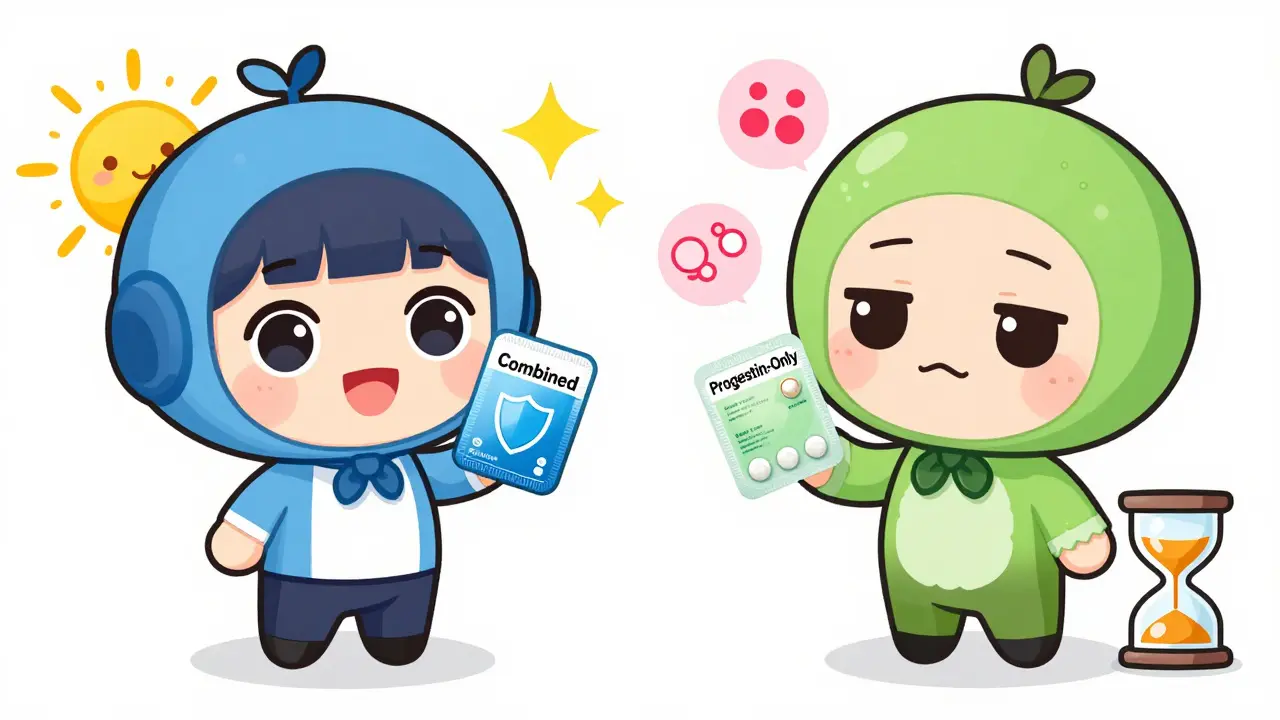
Not all pills are created equal. There are two main categories: Combined Oral Contraceptives (COCs) and Progestin-Only Pills (POPs), often called the "mini-pill." Understanding the difference is crucial because they work differently and have different rules for missed doses.
| Feature | Combined Oral Contraceptives (COCs) | Progestin-Only Pills (POPs) |
|---|---|---|
| Hormones | Estrogen + Progestin | Progestin only |
| Typical Estrogen Dose | 20-35 μg ethinyl estradiol | None |
| Missed Pill Window | Up to 24 hours (usually safe) | 3 hours (strict window for older types) |
| Menstrual Cycle | Regular, predictable bleeding | Irregular spotting or no period |
| Best For | Regulating periods, acne treatment | Breastfeeding mothers, estrogen-sensitive conditions |
COCs contain both estrogen and progestin. They suppress ovulation completely, thicken cervical mucus, and thin the uterine lining. Most modern COCs contain low doses of estrogen (under 50 μg), which significantly reduces cardiovascular risks compared to early formulations from the 1960s. A common formulation contains 30 μg of estrogen and levonorgestrel, which is considered to have a favorable safety profile.
POPs, on the other hand, rely solely on progestin. They primarily work by thickening cervical mucus to block sperm and may sometimes suppress ovulation. Because they lack estrogen, they are safer for women who cannot take estrogen due to migraines with aura, high blood pressure, or a history of blood clots. However, POPs require stricter timing. Older mini-pills must be taken within a 3-hour window; newer formulations like Slynd® offer a wider 24-hour window, making them more forgiving.
Common Side Effects and Health Benefits
Starting any hormonal medication introduces changes to your body. Most side effects are mild and tend to subside after the first three months as your body adjusts. Common complaints include nausea, breast tenderness, headaches, and mood swings. Some women experience breakthrough bleeding-spotting between periods-which is particularly common in the first few cycles of COC use.
Despite these potential downsides, birth control pills offer significant non-contraceptive health benefits. Research published in StatPearls indicates that COC users see a 50% reduction in endometrial cancer risk, lasting up to 20 years after stopping the pill. There is also a 27% reduction in ovarian cancer risk, with greater protection associated with longer duration of use. Additionally, certain formulations containing drospirenone are FDA-approved to treat moderate acne in women aged 14 and older, offering a dual benefit for those managing skin issues alongside contraception.
It is important to note that while the pill regulates your cycle, it does not protect against sexually transmitted infections (STIs). Using condoms alongside the pill is highly recommended, especially with new partners, to ensure comprehensive sexual health protection.
Critical Drug Interactions That Reduce Effectiveness
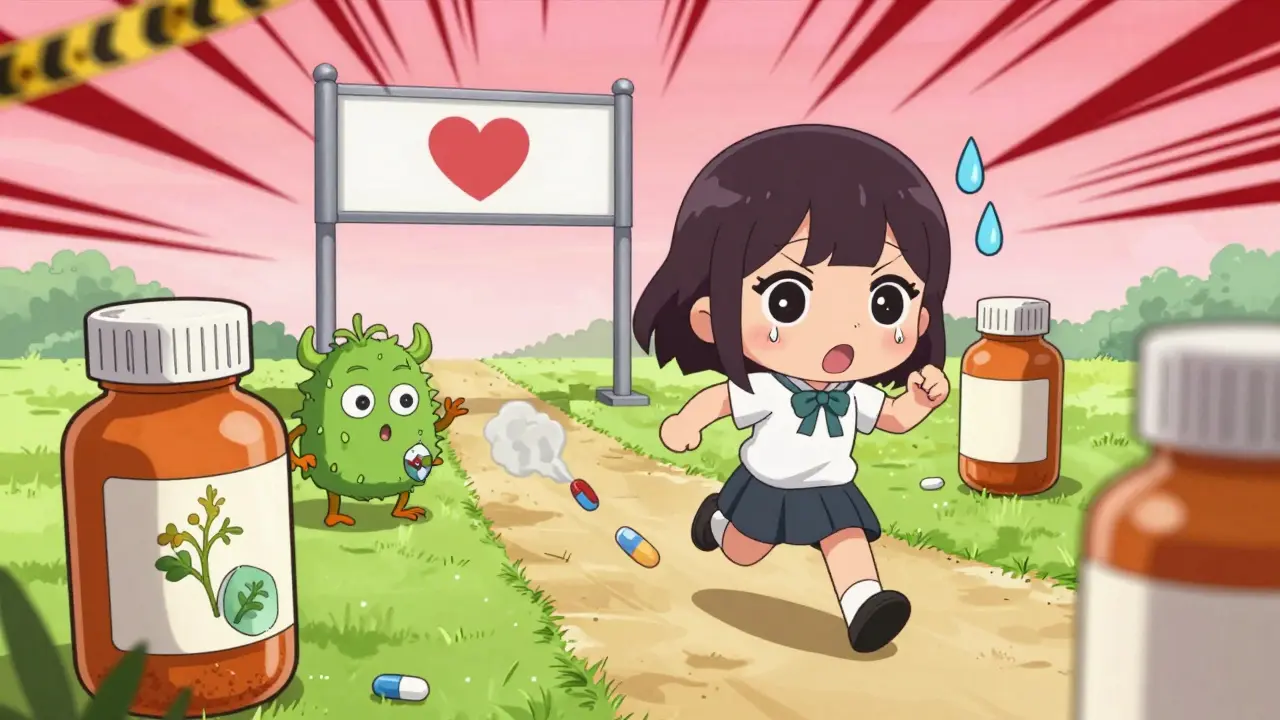
This is where many people slip up. Certain medications and supplements can interfere with how your liver processes hormones, effectively lowering the amount of active hormone in your bloodstream. If you are taking any of the following, the pill may stop working:
- Antibiotics: Specifically rifampin and rifabutin, used to treat tuberculosis. Most common antibiotics (like amoxicillin) do not affect the pill, but rifampin is a potent enzyme inducer that drastically reduces contraceptive efficacy.
- Anti-seizure medications: Drugs like carbamazepine, phenytoin, and topiramate can speed up the metabolism of hormones.
- HIV medications: Certain protease inhibitors and non-nucleoside reverse transcriptase inhibitors interact with oral contraceptives.
- St. John’s Wort: This popular herbal supplement for depression induces liver enzymes that break down estrogen and progestin faster than normal.
- Some antifungals: Griseofulvin, used for fungal skin infections, can reduce pill effectiveness.
If you need to take any of these medications, you must use a backup method of contraception, such as condoms, for at least seven days after starting the interacting drug and potentially for 28 days after stopping it. Always consult your pharmacist or doctor before combining medications.
How to Take Your Pill Correctly
Maximizing effectiveness starts with habit formation. Here is a practical checklist to ensure you are getting the full 99% protection potential of perfect use:
- Set a Daily Alarm: Pick a time you always do something routine, like brushing your teeth or drinking morning coffee. Consistency is key, especially for progestin-only pills.
- Know Your Missed Pill Rules: For COCs, if you miss one pill, take it as soon as you remember and take the next one at the usual time. If you miss two or more, you may need backup contraception. For POPs, check your specific brand’s guidelines regarding the 3-hour or 24-hour window.
- Watch for GI Issues: Severe vomiting or diarrhea within 3-4 hours of taking the pill can prevent absorption. Treat this as a missed pill and follow backup protocols.
- Start Early: If you start the pill mid-cycle, it can take up to seven days to become effective. Use condoms during this first week.
- Keep a Supply: Don’t wait until you have one pill left to order a refill. Running out creates a gap in protection and increases the risk of pregnancy.
Who Should Avoid Birth Control Pills?
While generally safe for healthy non-smoking women, birth control pills are not suitable for everyone. You should avoid combined oral contraceptives if you:
- Smoke cigarettes and are over age 35 (this significantly increases the risk of heart attack and stroke).
- Have a history of blood clots (deep vein thrombosis or pulmonary embolism).
- Suffer from migraines with aura (visual disturbances before a headache).
- Have uncontrolled high blood pressure.
- Have certain types of liver disease or liver tumors.
- Are breastfeeding within the first six weeks postpartum (estrogen can reduce milk supply; POPs are usually preferred).
If you fall into any of these categories, talk to your healthcare provider about alternative options like the copper IUD, hormonal IUD, implant, or barrier methods.
How long does it take for birth control pills to work?
If you start your pill within the first five days of your menstrual period, it is effective immediately. If you start at any other time, you need to use backup contraception (like condoms) for the first seven days. This allows the hormones enough time to suppress ovulation and thicken cervical mucus.
Do birth control pills cause weight gain?
Current research suggests that birth control pills do not cause significant weight gain in most women. Any minor fluctuations are often due to water retention or increased appetite, which typically stabilize after the first few months. Studies show no consistent link between modern low-dose pills and long-term fat accumulation.
Can I skip my period while on the pill?
Yes, with combined oral contraceptives, you can safely skip the placebo (sugar) pills and start a new pack immediately to delay withdrawal bleeding. This is medically safe for most women, though some may experience breakthrough spotting. Progestin-only pills do not have a placebo week, so skipping periods is inherent to their use.
What should I do if I vomit after taking my pill?
If you vomit within 3 to 4 hours of taking a combined pill, it likely wasn't absorbed. Take another pill from a spare pack if possible. If you don't have a spare, take your next scheduled pill at the regular time, but use backup contraception for seven days. For progestin-only pills, the window is tighter, so refer to your specific brand's instructions.
Does the pill protect against STIs?
No, birth control pills only prevent pregnancy. They offer zero protection against sexually transmitted infections like chlamydia, gonorrhea, HIV, or herpes. To protect against both pregnancy and STIs, you must use condoms in addition to the pill.