Steroid-Induced Cataracts: Causes, Risks, and What You Can Do
When you take steroid-induced cataracts, a type of eye condition caused by long-term use of corticosteroid medications. Also known as corticosteroid cataracts, they develop when steroids change the structure of the lens in your eye, leading to clouding and vision loss over time. Unlike age-related cataracts, these form faster—sometimes in just months—and often show up in younger people who rely on steroids for chronic conditions.
This isn’t rare. People using inhaled steroids for asthma, oral prednisone for autoimmune diseases, or even long-term topical creams for eczema can develop them. The higher the dose and the longer the use, the greater the risk. corticosteroids, powerful anti-inflammatory drugs used for everything from arthritis to severe allergies are lifesavers in the short term, but their impact on the eye is often overlooked. eye health, a critical area of wellness that many patients don’t monitor closely while managing systemic conditions needs just as much attention as your lungs, joints, or skin.
What makes steroid-induced cataracts tricky is that they don’t always cause symptoms right away. You might not notice blurry vision until it’s advanced. That’s why regular eye exams are non-negotiable if you’re on steroids for more than a few months. Your doctor might not bring it up—but you should. Ask about lens changes during your checkups. Keep track of how long you’ve been on steroids and what dose you’re taking. Even a small increase over time can tip the balance.
Not everyone on steroids gets cataracts, but certain groups are more vulnerable. Kids on long-term prednisone for kidney disease, older adults using inhaled steroids for COPD, and people with diabetes already at higher risk for eye problems. If you’re using steroid eye drops for uveitis or after surgery, the risk jumps even more. These aren’t just side effects—they’re predictable outcomes tied to exposure.
There’s no magic fix to reverse them once they form. Surgery is the only cure. But catching them early means you can delay surgery, avoid complications, and protect your vision longer. Reducing steroid use when possible, switching to non-steroid alternatives, or using the lowest effective dose can slow things down. Some studies show antioxidants like lutein and zeaxanthin might help protect the lens, but they’re not a replacement for medical management.
The posts below cover real-world scenarios you might not expect: how a simple asthma inhaler can lead to vision changes, why a skin cream used for years might be affecting your eyes, and what to say to your doctor when you’re worried about side effects. You’ll find guides on tracking medication use, recognizing early signs of lens clouding, and navigating treatment options without losing control of your main condition. This isn’t just about cataracts—it’s about staying informed when you’re on long-term meds that affect more than you realize.
Cataracts and Glaucoma from Long-Term Steroid Use: What You Need to Know for Eye Safety
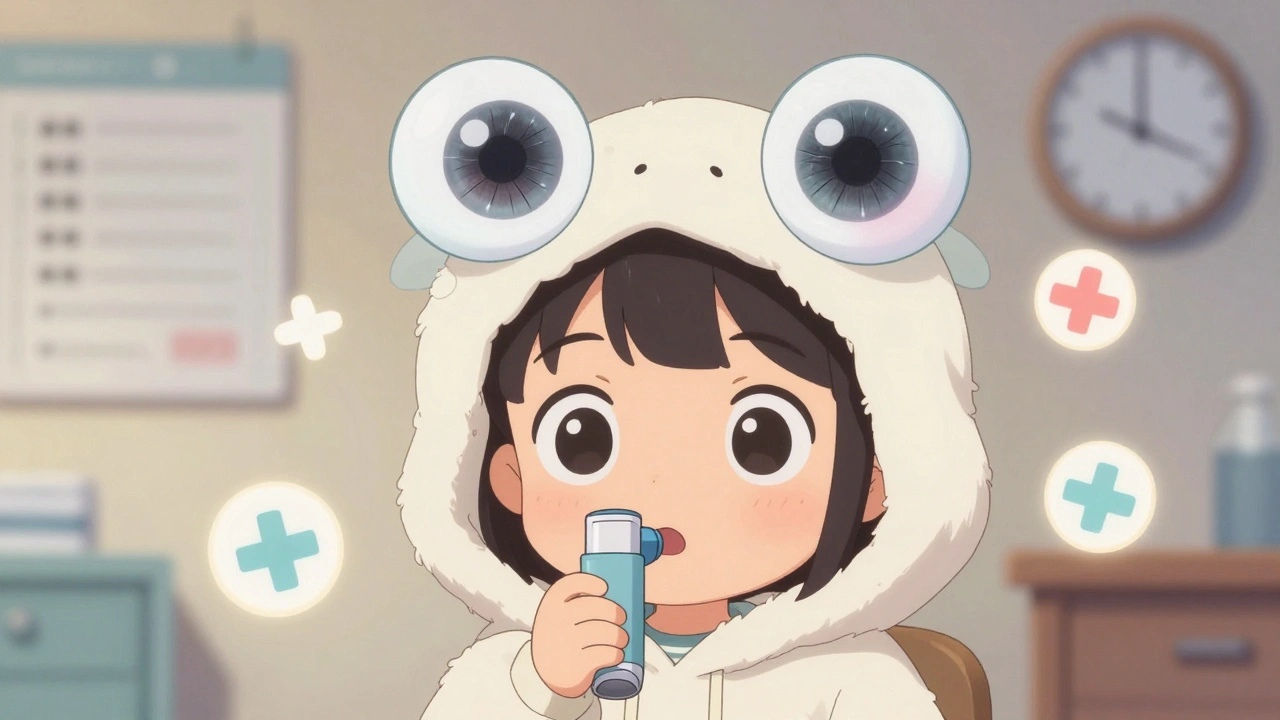
Long-term steroid use can cause silent but serious eye damage, including cataracts and glaucoma. Learn how to spot early signs, who’s at risk, and how to protect your vision with proper monitoring.
read more