Hospice Care: What It Is, Who It Helps, and How It Works
When a life-limiting illness moves beyond treatment options, hospice care, a type of compassionate care focused on comfort rather than cure for people with terminal illnesses. Also known as end-of-life care, it helps patients live as fully and comfortably as possible in their final months, weeks, or days. This isn’t about giving up—it’s about shifting the goal from fighting disease to managing symptoms, reducing pain, and honoring personal wishes.
Palliative care, a broader approach to relieving symptoms and improving quality of life at any stage of serious illness often overlaps with hospice, but hospice is specifically for those with six months or less to live, as certified by a doctor. Hospice teams include nurses, social workers, chaplains, and volunteers who work together to support not just the patient, but the whole family. They manage pain, handle emotional distress, help with daily tasks, and guide families through hard decisions—often right in the patient’s home, but also in nursing facilities or dedicated hospice centers.
Many people don’t realize hospice isn’t just for cancer. It’s used for advanced heart failure, dementia, lung disease, kidney failure, and other chronic conditions where curative treatment is no longer effective. The focus is always on what matters most to the person: being free of pain, staying surrounded by loved ones, or simply having control over their final days. Medicare, Medicaid, and most private insurers cover hospice care fully, with little to no out-of-pocket cost.
What you won’t find in hospice is aggressive interventions like CPR, ventilators, or chemotherapy aimed at curing the disease. Instead, you’ll find tailored medication for pain and nausea, emotional counseling, spiritual support, and help with practical needs like bathing or feeding. Families get training on how to care for their loved one, and bereavement support continues for months after death.
There’s a myth that choosing hospice means giving up hope—but the truth is, it’s about finding a different kind of hope: the hope for peace, for dignity, for time with those who matter most. Too many people wait too long to ask for hospice, missing out on months of better quality life. The earlier you connect with hospice, the more time you have to plan, to heal relationships, and to focus on what truly counts.
The posts below cover real-world issues tied to hospice care—from managing medications safely at home, to understanding how insurance handles end-of-life services, to the quiet but vital role of pharmacists in pain control. You’ll find guides on medication reconciliation after hospital discharge, how to store drugs properly in home settings, and how to appeal coverage denials for essential palliative medications. These aren’t abstract topics—they’re the daily realities for families navigating this deeply personal journey. Whether you’re a patient, a caregiver, or just trying to understand what’s ahead, this collection gives you clear, practical tools to make informed choices.
Palliative and Hospice Care: How to Balance Symptom Relief with Minimal Side Effects
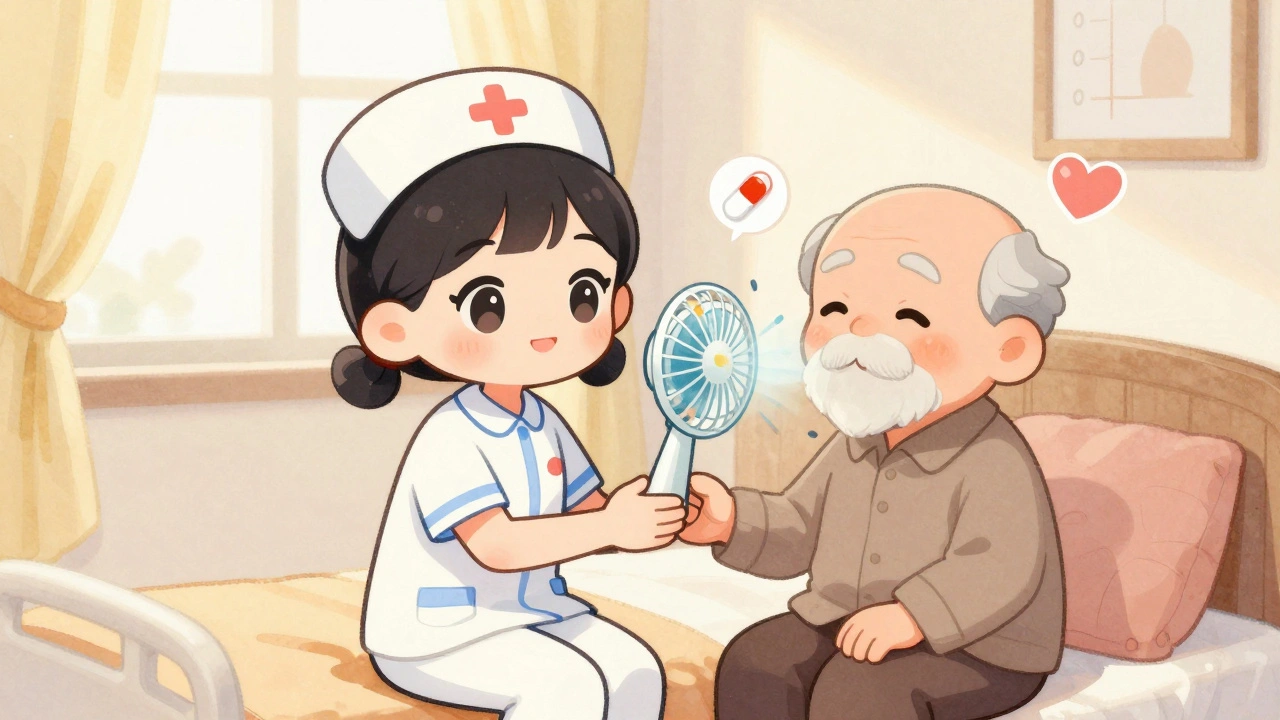
Learn how palliative and hospice care balance effective symptom relief with minimizing dangerous side effects like drowsiness, confusion, and constipation. Evidence-based strategies for pain, breathlessness, and delirium.
read more