Global Pharmaceutical Market: What Drives Prices, Access, and Drug Availability
When you buy a prescription, you’re part of the global pharmaceutical market, the worldwide system that develops, manufactures, distributes, and sells medicines. Also known as the pharmaceutical industry, it’s not just about pills—it’s about who gets them, why they cost what they do, and how policies in one country ripple across others. This isn’t a local business. A drug made in Germany might be priced differently in India, sold under a generic name in Australia, and held up by supply chain delays in the U.S. The same active ingredient can cost ten times more depending on where you live—and that’s not random.
Behind the scenes, the global pharmaceutical market is shaped by patent laws, government programs, and manufacturing hubs. In countries like Australia, the Pharmaceutical Benefits Scheme (PBS) controls prices by negotiating bulk deals and pushing generics. But in places without strong price controls, brand-name drugs can stay expensive for years, even after patents expire. Meanwhile, generic drug production has shifted heavily to India and China, where manufacturing costs are lower. That’s why you’ll see the same medication sold under different names with wildly different price tags. The generic drugs you save money on today were likely made in a factory thousands of miles away.
It’s not just about cost. The global pharmaceutical market affects safety, too. When a drug is recalled in one country, it often shows up in another because supply chains overlap. Storage conditions matter—heat and humidity can ruin pills shipped across borders, which is why medication storage guidelines aren’t just suggestions. And when a country changes its formulary or reimbursement rules, like with Medicaid coverage, it changes what doctors prescribe and what patients can get. Even antibiotic use in farming impacts this market: overuse fuels drug-resistant bacteria, which means new drugs are needed, and development is slow and expensive.
What you see on your pharmacy shelf is the end result of a complex system. The drug pricing you pay is influenced by patents, manufacturing scale, import tariffs, and even currency exchange rates. The medication access you have depends on whether your country negotiates prices, covers generics, or lets companies set their own rates. That’s why a drug like dapagliflozin might be affordable in Canada but out of reach in the U.S. without insurance, and why some people rely on generic substitution just to stay on their treatment.
There’s no single answer to why medicines cost what they do. But understanding how the global pharmaceutical market works helps you ask better questions at the pharmacy, spot when a price seems off, and know when to push back. Whether you’re managing a chronic condition, caring for a child, or just trying to stretch your budget, knowing how this system operates gives you power. Below, you’ll find real guides on how to save money safely, understand why some drugs can’t be swapped, and what to do when your prescription doesn’t arrive on time—all rooted in how the global system actually functions.
Global Perspectives on Generics: How Countries Control Drug Prices and Keep Medicines Affordable
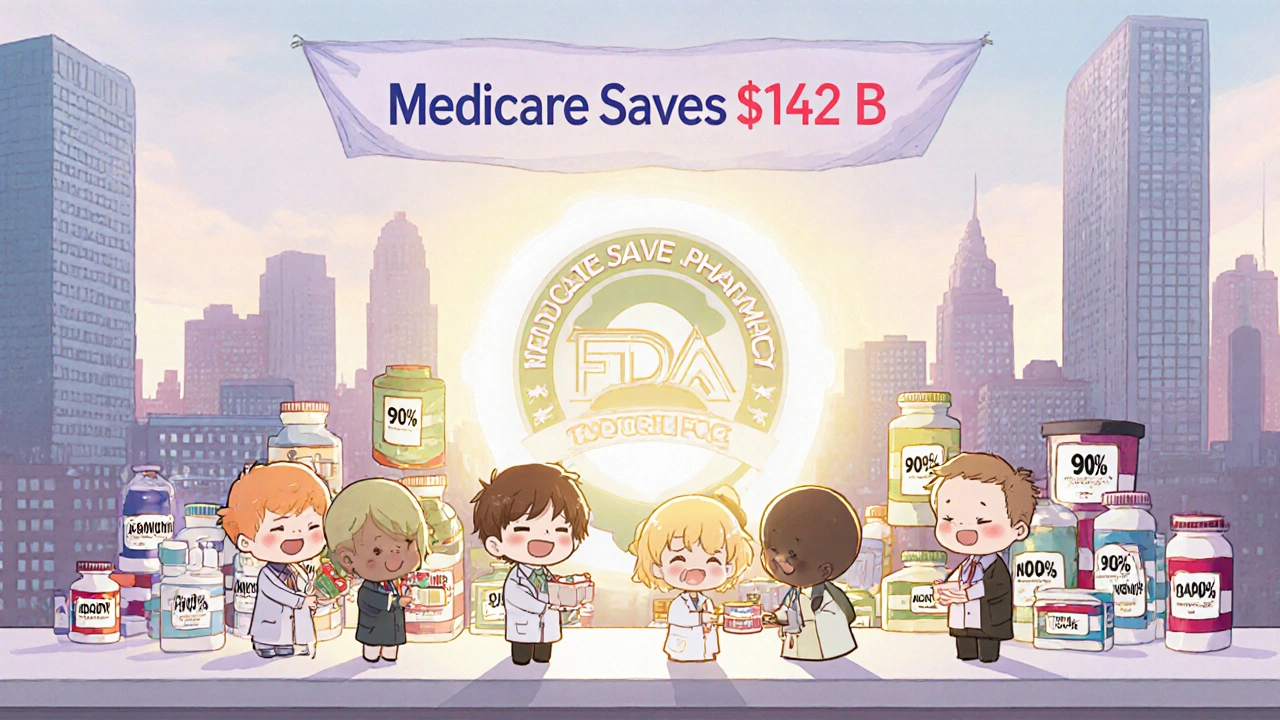
Global policies on generic drugs vary widely, from China's aggressive price cuts to the U.S.'s high usage rates. Discover how countries balance affordability, quality, and access to keep medicines available and affordable.
read moreRecent Post
-

Discovering 9 Alternatives to Alprazolam in 2025
Mar, 23 2025