SGLT2 Inhibitors Kidney Safety: What You Need to Know
When you hear SGLT2 inhibitors, a class of diabetes medications that help the kidneys remove excess sugar from the blood. Also known as gliflozins, they’re not just for lowering blood sugar—they’re now one of the top choices for protecting kidneys in people with type 2 diabetes and chronic kidney disease. Drugs like dapagliflozin and empagliflozin don’t just manage glucose; they reduce the risk of kidney failure, hospitalization for heart failure, and even death in high-risk patients. That’s why doctors are prescribing them more often—even for people without diabetes who have heart or kidney issues.
But safety is a real concern. These drugs work by blocking a transporter in the kidneys called SGLT2, which normally reabsorbs glucose. When that’s blocked, sugar gets flushed out in urine. Sounds simple, right? But that same mechanism can lead to side effects like dehydration, urinary tract infections, or rare but serious conditions like Fournier’s gangrene. The key is knowing who’s at risk and how to monitor for problems. People with low blood pressure, older adults, or those on diuretics need closer watch. And while kidney function usually improves over time with these drugs, doctors still check eGFR and urine albumin regularly to make sure the kidneys aren’t being overtaxed early on.
It’s not just about the drug itself—it’s about how it fits into your overall health. Dapagliflozin, a specific SGLT2 inhibitor approved for both diabetes and heart failure with reduced ejection fraction, has shown in trials like DAPA-CKD that it slows kidney decline even in patients without diabetes. Empagliflozin, another leading drug in this class, reduced kidney-related hospitalizations by 39% in the EMPA-REG OUTCOME study. These aren’t theoretical benefits—they’re measurable, repeatable results seen in tens of thousands of patients.
What you won’t find in the ads is that not everyone responds the same. Some people see big drops in A1C and weight, while others get no benefit and deal with side effects. That’s why switching between SGLT2 inhibitors isn’t always helpful—if one doesn’t work or causes issues, it’s better to try a different class of drug altogether. And while these drugs are often paired with metformin or GLP-1 agonists like semaglutide, they’re not magic pills. Lifestyle still matters. Hydration, salt intake, and avoiding NSAIDs can make or break kidney safety with these medications.
There’s also confusion around when to stop them. If your eGFR drops below 25 or 30, most guidelines say to discontinue—unless you’re in a specialized care setting. But recent data shows some patients with advanced kidney disease still benefit if monitored closely. This isn’t black-and-white medicine. It’s personalized, evolving, and needs real-time tracking.
Below, you’ll find real posts that break down how these drugs compare, what the latest research says about long-term kidney outcomes, how to spot early warning signs of trouble, and why some people need to avoid them entirely. No fluff. No marketing. Just what works, what doesn’t, and what you need to ask your doctor before starting—or continuing—treatment.
Chronic Kidney Disease and Metformin or SGLT2 Inhibitors: Dosing and Safety Guidelines 2025
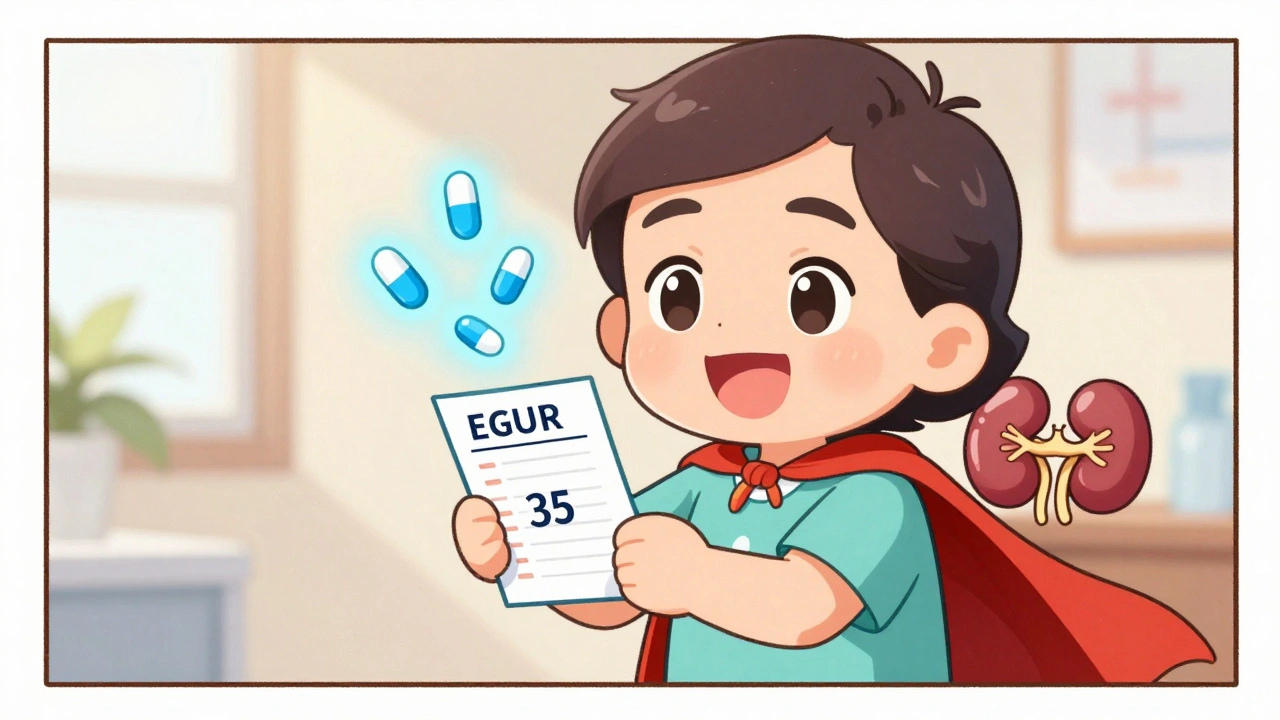
Learn the latest 2025 guidelines for using metformin and SGLT2 inhibitors in Chronic Kidney Disease. Know safe eGFR thresholds, dosing rules, side effects, and how to combine these drugs for kidney and heart protection.
read more